Mental Health Career Promotion Act
Summary
What This Bill Does
The Mental Health Career Promotion Act directs HHS, acting through the Assistant Secretary for Mental Health and Substance Use, to award grants to partnerships that include local or state educational agencies, public junior or community colleges, and community-based mental or behavioral health providers or related entities. Grant programs must promote mental and behavioral health careers to students in grades 9 through 12 or public junior or community colleges through presentations, internships, externships, shadowing, mentorships, experiential learning, and partnerships with higher education and community behavioral health organizations. Activities must be developmentally, linguistically, and culturally appropriate; grants last five years and can be renewed; HHS must ensure geographic diversity, offer technical assistance to high-need LEAs and community colleges, evaluate outcomes, limit evaluation spending to 10 percent, report annually to Congress, and receives a $50 million annual authorization for fiscal years 2027 through 2031.
Who Benefits and How
High school students and community college students benefit from exposure to mental-health careers, internships, shadowing, and mentorships. Local educational agencies, state educational agencies, public community colleges, HBCUs, behavioral health providers, community mental health centers, opioid treatment programs, and community-based organizations benefit from a dedicated federal grant pathway. The mental-health workforce benefits if more students enter psychiatry, counseling, social work, peer support, addiction treatment, community health work, and related occupations.
Who Bears the Burden and How
HHS and SAMHSA must design the grant program, review partnerships, provide technical assistance, define evaluation measures, collect annual recipient data, and report to Congress. Grant recipients must form multi-entity partnerships, keep activities culturally and linguistically appropriate, submit annual data, and limit performance-measurement spending to 10 percent. Federal taxpayers fund the $250 million five-year authorization.
Key Provisions
- Creates the Mental and Behavioral Health Career Promotion Grant Program inside HHS.
- Requires eligible partnerships to include educational agencies or community colleges plus community-based mental or behavioral health providers or related entities.
- Funds career presentations, internships, externships, shadowing, mentorships, experiential learning, and higher-education partnerships for grades 9-12 and community college students.
- Requires HHS technical assistance, geographic diversity, annual recipient reports, outcome measures, and annual congressional reports.
- Authorizes $50 million annually for fiscal years 2027 through 2031.
Evidence Chain:
This summary is generated from the full bill text using AI analysis. Expand "Detailed Analysis" below for identified beneficiaries/burden bearers with clause-level evidence links.
At a Glance
What This Bill Does
Creates a five-year renewable HHS mental and behavioral health career promotion grant program for school and community-college partnerships, funded at $50 million annually for fiscal years 2027 through 2031.
Key Policy Areas
Healthcare, Education, Labor
Primary Purpose
Creates a five-year renewable HHS mental and behavioral health career promotion grant program for school and community-college partnerships, funded at $50 million annually for fiscal years 2027 through 2031.
Policy Domains
Substantive provisions
Identified Gains
- High school students
- Community college students
- Local educational agencies
- Public community colleges
- Behavioral health providers
- SAMHSA
Identified Costs
- HHS
- SAMHSA
- Grant recipients
- Local educational agencies
- Public community colleges
- Federal taxpayers
Sponsors
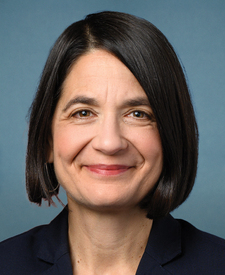

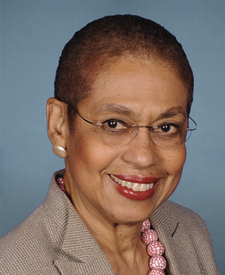
Legislative Progress
In CommitteeReferred to the House Committee on Energy and Commerce.
Introduced in House
Ms. Balint (for herself, Mrs. Watson Coleman, and Ms. Norton) …
Stakeholder Effects
cui bono?How this legislation distributes effects. Mention counts reflect frequency, not effect magnitude.
Community college students, High school students, Local educational agencies
Behavioral health providers, SAMHSA
Positive-direction: Behavioral health providers
Negative-direction: SAMHSA
Bill Structure & Actor Mappings
Who is "The Secretary" in each section?
- "secretary"
- → HHS Secretary
- "assistant_secretary"
- → Assistant Secretary for Mental Health and Substance Use
We use a combination of our own taxonomy and classification in addition to large language models to assess meaning and potential beneficiaries. High confidence means strong textual evidence. Always verify with the original bill text.
Learn more about our methodology