Local Water Protection Act
Summary
What This Bill Does
The Local Water Protection Act amends section 319(j) of the Federal Water Pollution Control Act, the Clean Water Act nonpoint source management program provision. It changes the authorization period from fiscal years 2023 through 2027 to fiscal years 2027 through 2031.
Section 319 supports state and local work on nonpoint source pollution, which generally means polluted runoff from sources such as farms, roads, construction areas, septic systems, and developed land rather than a single pipe. By updating the fiscal-year window, the bill keeps the statutory authorization aligned with future program years.
Who Benefits and How
State nonpoint source management programs benefit because the Clean Water Act authorization window is extended through 2031. Local watershed projects benefit if continued authorization supports grants for runoff reduction, restoration, and pollution-control practices. EPA water program staff benefit from clearer authority to administer section 319 grants in future fiscal years. Communities affected by polluted runoff benefit if state and local projects continue reducing nutrients, sediment, and other runoff pollution.
Who Bears the Burden and How
Federal taxpayers bear the cost of continued section 319 support if appropriations follow the authorization. EPA grants staff must administer future-year awards, guidance, and oversight. State water agencies must keep applying for, managing, and reporting on nonpoint source funds. Regulated or participating landowners may face project conditions when they accept grant-funded practices, though the bill itself only extends the authorization period.
Key Provisions
- Amends Clean Water Act section 319(j), the nonpoint source management program authorization.
- Provides a new fiscal-year window of 2027 through 2031.
- Supports continued state and local runoff-pollution management work.
- Requires EPA and state water agencies to continue grant administration if funds are appropriated.
Evidence Chain:
This summary is generated from the full bill text using AI analysis. Expand "Detailed Analysis" below for identified beneficiaries/burden bearers.
At a Glance
What This Bill Does
Extends the Clean Water Act section 319 nonpoint source management program authorization window by replacing fiscal years 2023 through 2027 with fiscal years 2027 through 2031.
Key Policy Areas
Water Quality, Clean Water Act, Federal Grants
Primary Purpose
Extends the Clean Water Act section 319 nonpoint source management program authorization window by replacing fiscal years 2023 through 2027 with fiscal years 2027 through 2031.
Policy Domains
House resolution provisions
Identified Gains
Contextual inference, no direct clause citation- State nonpoint source management programs
- Local watershed projects
- EPA water program staff
- Communities affected by polluted runoff
Contextual inference, no direct clause citation
Identified Costs
Contextual inference, no direct clause citation- Federal taxpayers
- EPA grants staff
- State water agencies
- Participating landowners
Contextual inference, no direct clause citation
Sponsors
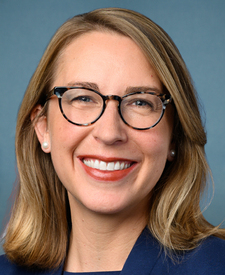
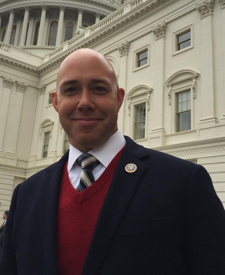
Legislative Progress
ReportedPlaced on the Union Calendar, Calendar No. 487.
Reported by the Committee on Transportation and Infrastructure. H. Rept. …
Committed to the Committee of the Whole House on the …
Ordered to be Reported by Voice Vote.
Committee Consideration and Mark-up Session Held
Subcommittee on Water Resources and Environment Discharged
Referred to the Subcommittee on Water Resources and Environment.
Ms. Scholten (for herself and Mr. Mast) introduced the following …
Introduced in House
Referred to the House Committee on Transportation and Infrastructure.
Bill Structure & Actor Mappings
Who is "The Secretary" in each section?
- "epa"
- → Environmental Protection Agency
We use a combination of our own taxonomy and classification in addition to large language models to assess meaning and potential beneficiaries. High confidence means strong textual evidence. Always verify with the original bill text.
Learn more about our methodology