Humanitarian Standards for Individuals in ICE and CBP Custody Act
Analysis under review: This bill has generated analysis that may be too generic or incomplete. Clause-level evidence remains available below.
Summary
What This Bill Does
This bill, Humanitarian Standards for Individuals in ICE and CBP Custody Act, changes federal law or congressional policy affecting federal agencies and legislative administrators. The main policy domain is Government Operations, Healthcare, Immigration.
Who Benefits and How
federal agencies and legislative administrators may benefit from new authority, funding, eligibility, regulatory clarity, or reduced risk created by the bill.
Who Bears the Burden and How
federal implementing agencies may take on implementation duties, reporting obligations, compliance costs, or oversight responsibilities.
Key Provisions
- Section H107A69DDFDBA4E86ABFAF4138A777B0D: 1. Short title; table of contents This Act may be cited as the Humanitarian Standards for Individuals in ICE and CBP Custody Act. The table of contents of this...
- Section H571DF5A797734734B78B5266B18049E0: 2. Initial health screening protocol The Director of U.S. Immigration and Customs Enforcement and the Commissioner of U.S. Customs and Border Protection...
- Section H0F9FADFF01E14E58A27AE6D63F06B235: 3. Water, sanitation and hygiene The Director and Commissioner shall ensure that detainees have access to the following: Not less than 1 gallon of drinking...
- Section H78D17D0F515B4AEF9D859A3C290503CF: 4. Food and nutrition The Director and Commissioner shall ensure that detainees have access to the following: Three meals per day, including the following: In...
- Section HF504C24142484E5B9DB97631E4D392D2: 5. Shelter The Director and Commissioner shall ensure that each facility at which a detainee is detained meets the following requirements: Except as provided...
Evidence Chain:
This summary is generated from the full bill text using AI analysis. Expand "Detailed Analysis" below for identified beneficiaries/burden bearers with clause-level evidence links.
At a Glance
What This Bill Does
This bill, Humanitarian Standards for Individuals in ICE and CBP Custody Act, changes federal law or congressional policy affecting federal agencies and legislative administrators.
Key Policy Areas
Government Operations, Healthcare, Immigration
Primary Purpose
This bill, Humanitarian Standards for Individuals in ICE and CBP Custody Act, changes federal law or congressional policy affecting federal agencies and legislative administrators.
Policy Domains
Whole bill
Identified Gains
- federal agencies and legislative administrators
Identified Costs
- federal implementing agencies
Sponsors


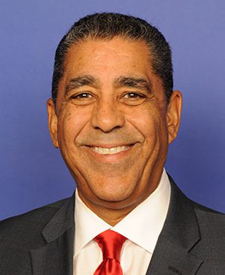

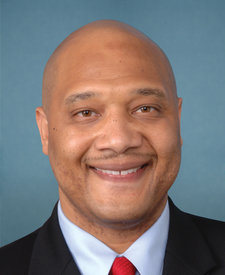
Legislative Progress
In CommitteeSponsor introductory remarks on measure. (CR H2018)
Referred to the Subcommittee on Oversight, Investigations, and Accountability.
Referred to the Subcommittee on Border Security and Enforcement.
Referred to the Committee on the Judiciary, and in addition …
Introduced in House
Mr. Ruiz (for himself, Ms. Wilson of Florida, Mr. Moulton, …
Impact analysis is available but no clear stakeholder effects identified. View clause-level analysis →
Bill Structure & Actor Mappings
Who is "The Secretary" in each section?
- "the_commission"
- → The commission identified in the operative section
- "the_administrator"
- → The Administrator identified in the operative section
- "secretary_of_homeland_security"
- → Secretary of Homeland Security
- "secretary_of_health_and_human_services"
- → Secretary of Health and Human Services
We use a combination of our own taxonomy and classification in addition to large language models to assess meaning and potential beneficiaries. High confidence means strong textual evidence. Always verify with the original bill text.
Learn more about our methodology