Protecting Small Businesses from Predatory Website Lawsuits Act
Analysis under review: This bill has generated analysis that may be too generic or incomplete. Clause-level evidence remains available below.
Summary
What This Bill Does
This bill, Protecting Small Businesses from Predatory Website Lawsuits Act, changes federal law or congressional policy affecting environmental regulators and natural-resource users. The main policy domain is Environment, Finance, Transportation.
Who Benefits and How
environmental regulators and natural-resource users may benefit from new authority, funding, eligibility, regulatory clarity, or reduced risk created by the bill.
Who Bears the Burden and How
federal implementing agencies, environmental regulators and natural-resource users may take on implementation duties, reporting obligations, compliance costs, or oversight responsibilities.
Key Provisions
- Section H51F66C6B4ABC4D0B9D22B364F2B5B147: 1. Short title This Act may be cited as the Protecting Small Businesses from Predatory Website Lawsuits Act.
- Section H2D407FF5E6444307B1335E81E85A1345: 2. Amendment to the Americans with Disabilities Act of 1990 relating to consumer facing websites and mobile applications owned or operated by a private entity...
- Section HFA3A3E4A9E67482ABD33FEDE87E73AC1: 601. Administrative remedies No individual may commence a civil action for the failure of a consumer facing website or mobile application to comply with the...
- Section HC393F789B1104A8382090134AC961FB7: 602. Definitions In this Act: The term consumer facing website means any website that is purposefully made accessible to the public for commercial purposes....
- Section HD873F60A68524E3383AC8251CAC24ED7: 3. Clerical amendment The table of contents of the Americans with Disabilities Act of 1990 (42 U.S.C. 12101 et seq.) is amended by inserting after the item...
Evidence Chain:
This summary is generated from the full bill text using AI analysis. Expand "Detailed Analysis" below for identified beneficiaries/burden bearers with clause-level evidence links.
At a Glance
What This Bill Does
This bill, Protecting Small Businesses from Predatory Website Lawsuits Act, changes federal law or congressional policy affecting environmental regulators and natural-resource users.
Key Policy Areas
Environment, Finance, Transportation
Primary Purpose
This bill, Protecting Small Businesses from Predatory Website Lawsuits Act, changes federal law or congressional policy affecting environmental regulators and natural-resource users.
Policy Domains
Whole bill
Identified Gains
- environmental regulators and natural-resource users
Identified Costs
- federal implementing agencies
- environmental regulators and natural-resource users
Sponsors
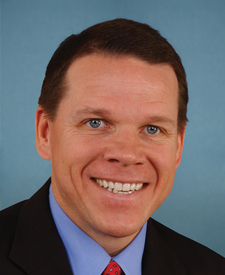
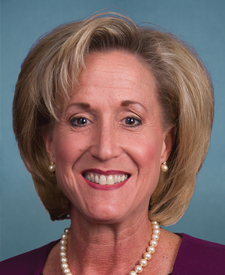
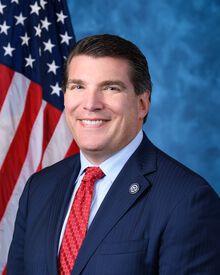
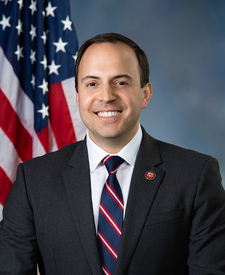

Legislative Progress
In CommitteeReferred to the House Committee on Energy and Commerce.
Introduced in House
Mr. Graves introduced the following bill; which was referred to …
Impact analysis is available but no clear stakeholder effects identified. View clause-level analysis →
Bill Structure & Actor Mappings
Who is "The Secretary" in each section?
- "federal_implementing_agencies"
- → Federal agencies assigned duties by the bill
We use a combination of our own taxonomy and classification in addition to large language models to assess meaning and potential beneficiaries. High confidence means strong textual evidence. Always verify with the original bill text.
Learn more about our methodology