HR7324-119

In Committee

More Behavioral Health Providers Act of 2026

119th Congress Introduced Feb 3, 2026

Summary

What This Bill Does

The More Behavioral Health Providers Act of 2026 amends the Medicare health professional shortage area bonus program. Current law provides a 10 percent bonus for physicians' services in health professional shortage areas. The bill keeps that structure for physicians' services and adds a separate 15 percent bonus from the Federal Supplementary Medical Insurance Trust Fund for specified health services furnished to Medicare Part B beneficiaries in areas designated as mental health professional shortage areas. Covered specified health services are Medicare-covered services furnished on or after January 1, 2027 for diagnosis, evaluation, or treatment of a mental health disorder, or for treatment of substance use disorder or co-occurring mental health disorder. Applicable practitioners include physician assistants, nurse practitioners, clinical nurse specialists, clinical social workers, clinical psychologists, marriage and family therapists, and mental health counselors. Payments may go to the practitioner or to an employer or facility where Medicare assignment rules allow.

Who Benefits and How

Behavioral health providers benefit from a 15 percent Medicare bonus for covered mental health and substance use disorder services in mental health professional shortage areas. Medicare beneficiaries in underserved areas benefit if the bonus attracts or retains more practitioners and improves access to diagnosis, evaluation, and treatment. Rural clinics, community mental health centers, physician groups, and facilities employing eligible practitioners benefit when bonus payments help support staffing. Mental health counselors, marriage and family therapists, clinical social workers, clinical psychologists, nurse practitioners, clinical nurse specialists, and physician assistants gain explicit eligibility for the shortage-area incentive when furnishing covered services.

Who Bears the Burden and How

CMS and Medicare contractors must identify mental health professional shortage areas, update payment systems, define specified health services, process monthly or quarterly bonus payments, and educate providers before the January 1, 2027 start. The Federal Supplementary Medical Insurance Trust Fund bears the cost of the new 15 percent payments. Providers and facilities must code eligible services, document practitioner type and shortage-area status, and reconcile payments. Medicare beneficiaries could face network changes if providers concentrate services around qualifying shortage areas.

Key Provisions

  • Adds a 15 percent Medicare bonus for specified mental health and substance use disorder services in mental health professional shortage areas.
  • Applies the new bonus to covered services furnished on or after January 1, 2027.
  • Includes physician assistants, nurse practitioners, clinical nurse specialists, clinical social workers, clinical psychologists, marriage and family therapists, and mental health counselors.
  • Pays bonuses from the Federal Supplementary Medical Insurance Trust Fund on a monthly or quarterly basis.
  • Leaves the existing 10 percent physician shortage-area bonus in place for other eligible physician services.

Evidence Chain:

This summary is generated from the full bill text using AI analysis. Expand "Detailed Analysis" below for identified beneficiaries/burden bearers with clause-level evidence links.

At a Glance

What This Bill Does

Adds a 15 percent Medicare bonus payment for mental health and substance use disorder services furnished in mental health professional shortage areas by physicians and specified behavioral health practitioners beginning January 1, 2027.

Key Policy Areas

Medicare, Behavioral Health, Healthcare Providers

Primary Purpose

Adds a 15 percent Medicare bonus payment for mental health and substance use disorder services furnished in mental health professional shortage areas by physicians and specified behavioral health practitioners beginning January 1, 2027.

Policy Domains

Medicare Behavioral Health Healthcare Providers

Substantive provisions

Identified Gains
  • Behavioral health providers
  • Medicare beneficiaries
  • Mental health counselors
  • Clinical social workers
  • Rural clinics
Model: codex-gpt-5 | Version: bill_summary_v2 | Source: ih
Rural clinics:
Medicare beneficiaries:
Clinical social workers:
Mental health counselors:
Behavioral health providers:
Identified Costs
  • CMS
  • Medicare contractors
  • Federal Supplementary Medical Insurance Trust Fund
  • Providers
  • Facilities
Model: codex-gpt-5 | Version: bill_summary_v2 | Source: ih
CMS:
Providers:
Facilities:
Medicare contractors:
Federal Supplementary Medical Insurance Trust Fund:

Legislative Progress

In Committee
Introduced Committee Passed
Feb 3, 2026

Referred to the Committee on Energy and Commerce, and in …

Feb 3, 2026

Introduced in House

Feb 3, 2026

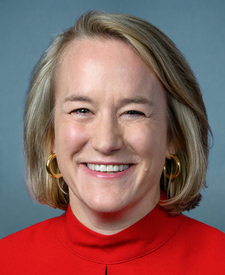
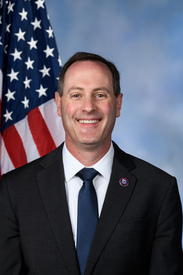
Ms. Budzinski (for herself and Mr. Mann) introduced the following …

Stakeholder Effects

cui bono?

How this legislation distributes effects. Mention counts reflect frequency, not effect magnitude.

Healthcare Beneficiaries
4 mentions across 1 clause
+1 positive -3 negative

CMS, Federal Supplementary Medical Insurance Trust Fund, Medicare beneficiaries

Positive-direction: Medicare beneficiaries

Negative-direction: CMS, Federal Supplementary Medical Insurance Trust Fund, Medicare contractors

Healthcare
2 mentions across 1 clause
+2 positive

Behavioral health providers, Rural clinics

1/2
sections analyzed
Full impact breakdown

Bill Structure & Actor Mappings

Who is "The Secretary" in each section?

Domains
Medicare Behavioral Health Healthcare Providers

We use a combination of our own taxonomy and classification in addition to large language models to assess meaning and potential beneficiaries. High confidence means strong textual evidence. Always verify with the original bill text.

Learn more about our methodology