HR7322-119

In Committee

True Shutdown Fairness Act

119th Congress Introduced Feb 2, 2026

Summary

What This Bill Does

The True Shutdown Fairness Act applies to fiscal year 2026 lapses in regular appropriations. It defines covered employees to include federal agency employees regardless of excepted or furlough status, active duty service members, and reserve component members performing active service or inactive duty training, if they were employed, enlisted, appointed, or had accepted employment before the lapse began. It also covers contractor employees whose work is suspended, delayed, interrupted, stopped, or otherwise affected by the lapse. The bill appropriates such sums as necessary to agency heads to pay standard employee compensation to covered employees and to pay contractors solely so contract employees receive standard compensation. If a lapse is already ongoing, agencies must pay covered employees within seven days; for later lapses, they must pay on regular pay dates. Agency heads must adjust contracts to reimburse reasonable costs for contractor employee pay or restored paid leave, even if the contract otherwise would not provide that adjustment. The bill limits duration and use of the funds, charges expenditures to later enacted appropriations, bars transfer or reprogramming, and applies continuing-appropriation conditions. Section 3 bars use of funds during a lapse to propose or implement reductions in force or similar permanent workforce cuts, and bars placing employees on administrative leave for more than 10 workdays in a calendar year, while preserving voluntary separation payments.

Who Benefits and How

Covered federal employees, active duty service members, reserve component members, and contract employees benefit because they keep receiving standard pay, allowances, benefits, and regular compensation during fiscal year 2026 shutdowns instead of waiting for retroactive payment. Federal contractors benefit because agencies must adjust contract prices for reasonable costs to compensate affected contract employees and restore paid leave. Federal workforce unions and employee advocates benefit from a statutory bar on shutdown-related reductions in force and extended administrative leave. Agencies benefit from clearer authority to keep payroll and contractor compensation flowing during funding lapses.

Who Bears the Burden and How

Agency heads must administer shutdown compensation, meet the seven-day or regular-pay-date deadlines, adjust contracts, collect evidence of reasonable contractor costs, prevent duplicate payment, track availability of special appropriations, and charge costs to later enacted appropriations. Contractors must document actual costs, use payments only for contract employee compensation, and restore eligible paid leave. The Office of Federal Procurement Policy must consult on evidence standards. Federal taxpayers bear the open-ended cost of paying employees and contractors during lapses. Agencies lose the ability to use lapse periods for reductions in force or extended administrative leave.

Key Provisions

  • Appropriates fiscal year 2026 shutdown pay for covered federal employees, service members, reservists, and contractor employees.
  • Requires agencies to pay ongoing-lapse compensation within seven days and later-lapse compensation on regular pay dates.
  • Requires contract price adjustments for reasonable contractor costs to pay affected employees or restore paid leave.
  • Restricts transfers, reprogramming, duplicate payments, and uses outside shutdown compensation.
  • Bars reductions in force and administrative leave over 10 workdays during a lapse in regular appropriations.

Evidence Chain:

This summary is generated from the full bill text using AI analysis. Expand "Detailed Analysis" below for identified beneficiaries/burden bearers with clause-level evidence links.

At a Glance

What This Bill Does

Appropriates fiscal year 2026 shutdown pay for covered federal employees, service members, reservists, and federal contractor employees, requires agencies to adjust contracts for reasonable shutdown compensation costs, and bars agency reductions in force or long administrative leave during funding lapses.

Key Policy Areas

Federal Workforce, Government Funding, Procurement

Primary Purpose

Appropriates fiscal year 2026 shutdown pay for covered federal employees, service members, reservists, and federal contractor employees, requires agencies to adjust contracts for reasonable shutdown compensation costs, and bars agency reductions in force or long administrative leave during funding lapses.

Policy Domains

Federal Workforce Government Funding Procurement

Substantive provisions

Identified Gains
  • Covered federal employees
  • Active duty service members
  • Reserve component members
  • Contract employees
  • Federal contractors
Model: codex-gpt-5 | Version: bill_summary_v2 | Source: ih
Contract employees:
Federal contractors:
Covered federal employees:
Reserve component members:
Active duty service members:
Identified Costs
  • Agency heads
  • Federal contractors
  • Office of Federal Procurement Policy
  • Federal taxpayers
  • Federal agencies
Model: codex-gpt-5 | Version: bill_summary_v2 | Source: ih
Agency heads:
Federal agencies:
Federal taxpayers:
Federal contractors:
Office of Federal Procurement Policy:

Legislative Progress

In Committee
Introduced Committee Passed
Feb 2, 2026

Referred to the Committee on Oversight and Government Reform, and …

Feb 2, 2026

Introduced in House

Feb 2, 2026

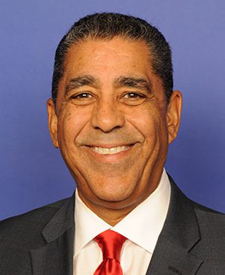
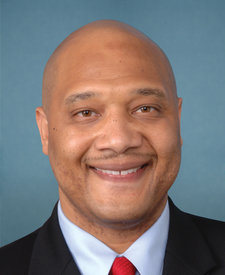
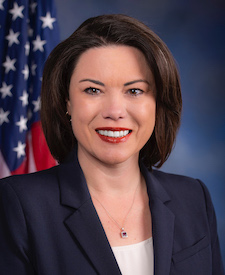
Mr. Walkinshaw (for himself, Mr. Beyer, Ms. Norton, Mr. Raskin, …

Stakeholder Effects

cui bono?

How this legislation distributes effects. Mention counts reflect frequency, not effect magnitude.

Labor
4 mentions across 2 clauses
+4 positive

Contract employees, Covered federal employees, Federal employees

Government
3 mentions across 2 clauses
-3 negative

Agency heads, Federal agencies

Defense
2 mentions across 1 clause
+2 positive

Active duty service members, Reserve component members

Professional Services
1 mention across 1 clause
+1 positive

Federal contractors

Taxpayers
1 mention across 1 clause
-1 negative

Taxpayers

2/3
sections analyzed
Full impact breakdown

Bill Structure & Actor Mappings

Who is "The Secretary" in each section?

Domains
Federal Workforce Government Funding Procurement

We use a combination of our own taxonomy and classification in addition to large language models to assess meaning and potential beneficiaries. High confidence means strong textual evidence. Always verify with the original bill text.

Learn more about our methodology