HR7312-119

In Committee

No More SCAMS Act

119th Congress Introduced Feb 2, 2026

Summary

What This Bill Does

The No More SCAMS Act establishes a Federal Fraud Interagency Task Force within 90 days. The President must appoint a Director with at least 10 years of fraud investigation or federal law enforcement experience and appoint subject-matter experts from covered agencies including State, Treasury, Defense, Justice, Interior, Labor, HHS, HUD, DOT, Energy, Education, VA, DHS, and other agencies the President designates. The Task Force investigates federal-dollar fraud, coordinates with State and local law enforcement, develops best practices and training, shares data and resources, integrates existing federal anti-fraud initiatives, and reports annually. The Comptroller General must audit Task Force operations and spending each year.

Who Benefits and How

Federal taxpayers benefit if the Task Force recovers misused federal funds and reduces losses in grants, procurement, payment, and interagency funding streams. Covered agency fraud offices benefit from shared data, common training, and best-practice development. State law enforcement agencies and local law enforcement agencies benefit from federal coordination when fraud schemes cross program or jurisdictional lines. Congress and the President benefit from annual reporting on investigations, prosecution referrals, recovered funds, agency activities, and sector fraud trends.

Who Bears the Burden and How

The President must stand up the Task Force, appoint a qualified Director, and name agency members on short deadlines. Covered federal agencies must provide fraud experts, share information, coordinate resources, and report activities. The Task Force Director must maintain annual reporting. The Comptroller General must audit Task Force operations and spending each year. Fraud defendants face greater investigation, referral, and recovery risk.

Key Provisions

  • Creates a Federal Fraud Interagency Task Force within 90 days of enactment.
  • Requires a Director with at least 10 years of fraud investigation or federal law enforcement experience.
  • Directs covered agencies to coordinate fraud investigations, data sharing, best practices, and training.
  • Requires annual reports on investigations, prosecution referrals, funds recovered, agency contributions, fraud trends, and prevention recommendations.
  • Requires the Comptroller General to audit Task Force operations and spending each year.

Evidence Chain:

This summary is generated from the full bill text using AI analysis. Expand "Detailed Analysis" below for identified beneficiaries/burden bearers with clause-level evidence links.

At a Glance

What This Bill Does

Creates a presidentially appointed Federal Fraud Interagency Task Force to investigate fraud involving federal dollars, coordinate covered agency anti-fraud work, recover misused funds, and report annually on investigations, prosecution referrals, recoveries, agency activities, fraud trends, and prevention recommendations.

Key Policy Areas

Government Oversight, Law Enforcement, Federal Budget

Primary Purpose

Creates a presidentially appointed Federal Fraud Interagency Task Force to investigate fraud involving federal dollars, coordinate covered agency anti-fraud work, recover misused funds, and report annually on investigations, prosecution referrals, recoveries, agency activities, fraud trends, and prevention recommendations.

Policy Domains

Government Oversight Law Enforcement Federal Budget

Substantive provisions

Identified Gains
  • Federal taxpayers
  • Covered agency fraud offices
  • State law enforcement agencies
  • Local law enforcement agencies
  • Congress
Model: codex-gpt-5 | Version: bill_summary_v2 | Source: ih
Congress:
Federal taxpayers:
Covered agency fraud offices:
Local law enforcement agencies:
State law enforcement agencies:
Identified Costs
  • President
  • Federal Fraud Interagency Task Force
  • Covered federal agencies
  • Comptroller General
  • Fraud defendants
Model: codex-gpt-5 | Version: bill_summary_v2 | Source: ih
President:
Fraud defendants:
Comptroller General:
Covered federal agencies:
Federal Fraud Interagency Task Force:

Legislative Progress

In Committee
Introduced Committee Passed
Feb 2, 2026

Referred to the House Committee on Oversight and Government Reform.

Feb 2, 2026

Introduced in House

Feb 2, 2026

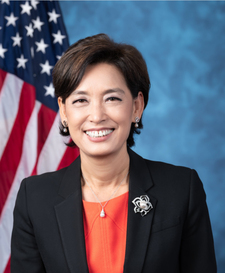
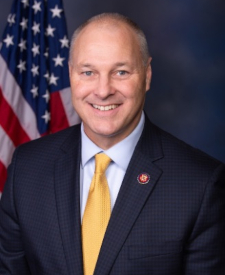
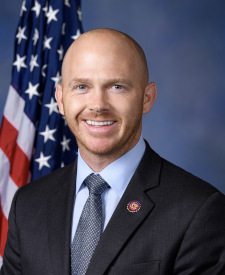
Mrs. Kim (for herself and Mr. Stauber) introduced the following …

Stakeholder Effects

cui bono?

How this legislation distributes effects. Mention counts reflect frequency, not effect magnitude.

Government
3 mentions across 1 clause
-3 negative

Comptroller General, Covered agency fraud offices, Federal Fraud Interagency Task Force

Law Enforcement
3 mentions across 1 clause
+2 positive -1 negative

Fraud defendants, Local law enforcement agencies, State law enforcement agencies

Positive-direction: Local law enforcement agencies, State law enforcement agencies

Negative-direction: Fraud defendants

Taxpayers
1 mention across 1 clause
+1 positive

Taxpayers

1/2
sections analyzed
Full impact breakdown

Bill Structure & Actor Mappings

Who is "The Secretary" in each section?

Domains
Government Oversight Law Enforcement Federal Budget

We use a combination of our own taxonomy and classification in addition to large language models to assess meaning and potential beneficiaries. High confidence means strong textual evidence. Always verify with the original bill text.

Learn more about our methodology