Federal Acquisition Security Council Improvement Act of 2026
Summary
What This Bill Does
The Federal Acquisition Security Council Improvement Act of 2026 updates the supply-chain security framework in title 41. It defines a covered source of concern as a source specifically designated by statute for FASC purposes. It defines a source of concern as a source subject to the jurisdiction, direction, or control of a foreign adversary government, operating on behalf of a foreign adversary, or posing national-security risk because of collaboration, ownership, control, or affiliation with a foreign adversary military, internal-security force, or intelligence agency.
The bill also defines recommended orders and designated orders used in FASC exclusion and removal processes. It changes FASC's institutional location from the executive branch to the Executive Office of the President. It lists Council members including the Administrator for Federal Procurement Policy, OMB Deputy Director for Management, ODNI and National Counterintelligence and Security Center officials, Defense and NSA officials, DHS and CISA officials, GSA, the Office of the National Cyber Director, DOJ and FBI officials, Commerce officials from NIST and BIS, and other agencies when needed.
Agency heads must designate officials with supply-chain risk-management, acquisition, law, or information and communications technology expertise when feasible. Council members must regularly participate, provide requested information from their agencies, and keep agency heads and appropriate personnel aware of FASC activities.
Who Benefits and How
Federal procurement agencies benefit because the bill clarifies the actors and order types used to exclude risky suppliers from federal acquisition. Cybersecurity and counterintelligence officials benefit from clearer FASC membership and participation duties. Federal contractors with secure supply chains benefit if risky foreign-adversary-controlled sources are excluded more consistently. Agencies buying information technology benefit from more specialized supply-chain risk expertise on the Council. The Office of Federal Procurement Policy benefits from a clearer statutory Council structure.
Who Bears the Burden and How
Foreign adversary-controlled suppliers bear the risk of being treated as sources of concern and excluded from federal acquisition. FASC member agencies must designate officials, participate regularly, share requested information, and brief agency leadership. OMB, ODNI, Defense, DHS, GSA, ONCD, DOJ, Commerce, NIST, BIS, NSA, CISA, and FBI officials must support Council work. Federal contractors may need to document that their suppliers are not covered sources of concern. Agency acquisition officials must apply recommended or designated orders in procurement decisions.
Key Provisions
- Defines covered source of concern for FASC purposes.
- Defines source of concern based on foreign-adversary jurisdiction, control, operation, ownership, collaboration, or affiliation.
- Defines recommended order and designated order.
- Moves FASC language from the executive branch to the Executive Office of the President.
- Expands Council membership across OMB, ODNI, Defense, DHS, GSA, ONCD, DOJ, Commerce, NIST, BIS, NSA, CISA, and FBI.
- Requires agency-designated members to have supply-chain, acquisition, law, or ICT expertise when feasible.
- Requires Council members to participate, provide agency information, and keep agency leadership informed.
Evidence Chain:
This summary is generated from the full bill text using AI analysis. Expand "Detailed Analysis" below for identified beneficiaries/burden bearers with clause-level evidence links.
At a Glance
What This Bill Does
Updates the Federal Acquisition Security Council by defining covered sources of concern, sources of concern, recommended orders, and designated orders; moving the Council under the Executive Office of the President; expanding member agencies and required expertise; and strengthening member duties to share agency information and keep agency heads informed.
Key Policy Areas
Federal Procurement, Supply Chain Security, Cybersecurity, National Security
Primary Purpose
Updates the Federal Acquisition Security Council by defining covered sources of concern, sources of concern, recommended orders, and designated orders; moving the Council under the Executive Office of the President; expanding member agencies and required expertise; and strengthening member duties to share agency information and keep agency heads informed.
Policy Domains
House resolution provisions
Identified Gains
- Federal procurement agencies
- Cybersecurity officials
- Counterintelligence officials
- Federal contractors with secure supply chains
- Agencies buying information technology
- Office of Federal Procurement Policy
Identified Costs
- Foreign adversary-controlled suppliers
- FASC member agencies
- OMB procurement officials
- Federal contractors
- Agency acquisition officials
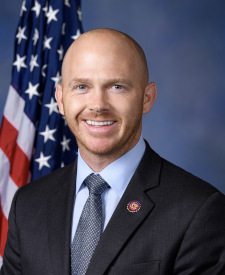
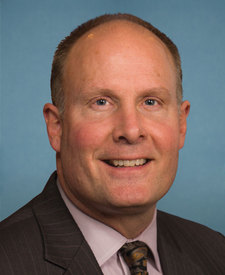
Sponsors


Legislative Progress
ReportedOrdered to be Reported (Amended) by the Yeas and Nays: …
Committee Consideration and Mark-up Session Held
Referred to the House Committee on Oversight and Government Reform.
Introduced in House
Mr. Timmons (for himself, Mr. Subramanyam, and Mr. Moolenaar) introduced …
Stakeholder Effects
cui bono?How this legislation distributes effects. Mention counts reflect frequency, not effect magnitude.
Agency acquisition officials, Federal Acquisition Security Council, Federal procurement agencies
Positive-direction: Federal procurement agencies
Negative-direction: Agency acquisition officials, Federal Acquisition Security Council
Federal contractors with secure supply chains
Bill Structure & Actor Mappings
Who is "The Secretary" in each section?
- "omb"
- → Office of Management and Budget
- "fasc"
- → Federal Acquisition Security Council
We use a combination of our own taxonomy and classification in addition to large language models to assess meaning and potential beneficiaries. High confidence means strong textual evidence. Always verify with the original bill text.
Learn more about our methodology