Rural and Municipal Utility Cybersecurity Act
Summary
What This Bill Does
The Rural and Municipal Utility Cybersecurity Act rewrites section 40124 of the Infrastructure Investment and Jobs Act. It keeps the Rural and Municipal Utility Advanced Cybersecurity Grant and Technical Assistance Program and defines advanced cybersecurity technology, bulk-power system, cybersecurity threat, defense critical electric infrastructure, eligible entity, and the program itself.
Eligible entities include rural electric cooperatives, municipally owned electric utilities, utilities owned by state or local political subdivisions, not-for-profit partnerships with at least six such utilities, and investor-owned electric utilities selling less than 4,000,000 megawatt hours per year. The Secretary of Energy must provide technical assistance and award funding, including grants, cooperative agreements, and prizes, to help eligible entities protect against, detect, respond to, and recover from cybersecurity threats. DOE must develop award criteria, may enter agreements to advance the program's objectives, and must inform eligible entities about opportunities.
The bill prioritizes entities with limited cybersecurity resources, assets critical to bulk-power system reliability, or defense critical electric infrastructure. Information shared with federal, state, tribal, or local governments under the program is treated as voluntarily shared information and exempt from federal, state, tribal, and local public-disclosure laws. The bill authorizes $250,000,000 for fiscal years 2026 through 2030.
Who Benefits and How
Rural electric cooperatives benefit from grants, technical assistance, cooperative agreements, or prizes to deploy advanced cybersecurity technology. Municipally owned electric utilities benefit from the same support for cyber threat detection, response, and recovery. Small investor-owned electric utilities benefit if they fall below the 4,000,000 megawatt-hour threshold. Electric utilities with bulk-power or defense critical infrastructure benefit from funding priority. Cybersecurity technology vendors benefit from demand for hardware, software, services, and operational capabilities. State, tribal, and local government cybersecurity partners benefit from protected information sharing.
Who Bears the Burden and How
Department of Energy program staff must maintain the program, develop award criteria, inform eligible entities, administer funding, and manage agreements. Federal taxpayers bear the $250 million authorization if Congress appropriates the funds. Open-records requesters bear reduced access because shared cybersecurity information is exempt from FOIA and similar state, tribal, and local disclosure laws. Eligible utilities must apply for support, participate in information-sharing programs, and implement cybersecurity projects. State, tribal, and local records officials must treat covered information as exempt from disclosure.
Key Provisions
- Defines advanced cybersecurity technology, cybersecurity threat, eligible entity, and the rural utility cybersecurity program.
- Requires DOE to maintain a grant and technical assistance program for eligible electric utilities.
- Authorizes grants, cooperative agreements, prizes, and technical assistance.
- Requires DOE to develop award criteria and inform eligible entities about opportunities.
- Prioritizes utilities with limited cybersecurity resources, bulk-power system assets, or defense critical electric infrastructure.
- Exempts shared cybersecurity information from FOIA and similar open-records laws.
- Authorizes $250 million for fiscal years 2026 through 2030.
Evidence Chain:
This summary is generated from the full bill text using AI analysis. Expand "Detailed Analysis" below for identified beneficiaries/burden bearers with clause-level evidence links.
At a Glance
What This Bill Does
Rewrites and reauthorizes the Rural and Municipal Utility Advanced Cybersecurity Grant and Technical Assistance Program by defining eligible electric utilities, requiring DOE to provide technical assistance and funding through grants, cooperative agreements, and prizes, prioritizing utilities with limited cybersecurity resources or critical electric infrastructure, protecting shared information from disclosure, and authorizing $250 million for fiscal years 2026 through 2030.
Key Policy Areas
Energy, Cybersecurity, Federal Grants, Electric Utilities
Primary Purpose
Rewrites and reauthorizes the Rural and Municipal Utility Advanced Cybersecurity Grant and Technical Assistance Program by defining eligible electric utilities, requiring DOE to provide technical assistance and funding through grants, cooperative agreements, and prizes, prioritizing utilities with limited cybersecurity resources or critical electric infrastructure, protecting shared information from disclosure, and authorizing $250 million for fiscal years 2026 through 2030.
Policy Domains
House resolution provisions
Identified Gains
- Rural electric cooperatives
- Municipally owned electric utilities
- Small investor-owned electric utilities
- Electric utilities with critical infrastructure
- Cybersecurity technology vendors
- State cybersecurity partners
Identified Costs
- Department of Energy program staff
- Federal taxpayers
- Open-records requesters
- Eligible utility applicants
- State records officials
Sponsors

Legislative Progress
ReportedPlaced on the Union Calendar, Calendar No. 545.
Reported by the Committee on Energy and Commerce. H. Rept. …
Additional sponsor: Mrs. Harshbarger
Committed to the Committee of the Whole House on the …
Subcommittee Consideration and Mark-up Session Held
Forwarded by Subcommittee to Full Committee by Voice Vote.
Introduced in House
Referred to the Subcommittee on Energy.
Referred to the House Committee on Energy and Commerce.
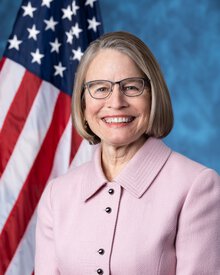
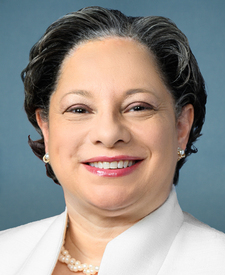
Mrs. Miller-Meeks (for herself and Ms. McClellan) introduced the following …
Stakeholder Effects
cui bono?How this legislation distributes effects. Mention counts reflect frequency, not effect magnitude.
Electric utilities with critical infrastructure, Municipally owned electric utilities, Rural electric cooperatives
Bill Structure & Actor Mappings
Who is "The Secretary" in each section?
- "secretary"
- → Secretary of Energy
We use a combination of our own taxonomy and classification in addition to large language models to assess meaning and potential beneficiaries. High confidence means strong textual evidence. Always verify with the original bill text.
Learn more about our methodology