Protect Veterans from the THIEF Act
Summary
What This Bill Does
The Protect Veterans from the THIEF Act targets VA contractor handling of veterans' data. Within one year, the VA Secretary must ensure every covered contract includes or is modified to include a clause prohibiting covered information from being monetized, sold, or otherwise misused by any contractor, subcontractor, affiliate, or other non-VA entity. VA must also issue a directive or policy guiding employees and contractors on how to identify monetization, sale, or misuse so contractors comply with the contract clauses. Within the same year, VA must report to the House and Senate Veterans' Affairs Committees with the required contract clause, guidance, and a summary of other compliance actions. Covered contracts are VA contracts that handle covered information and were entered into after enactment or before enactment if still active. Covered information means protected health information or personally identifiable information, including anonymized information, protected by the Privacy Act, VA confidentiality statutes, HIPAA regulations, or other law the Secretary identifies.
Who Benefits and How
Veterans, VA patients, VA benefit recipients, veterans privacy advocates, VA contracting officers, and congressional veterans committees benefit from contract clauses and guidance designed to prevent monetization, sale, or misuse of veterans' health and personal data by contractors or affiliates. VA employees get a clearer standard for spotting misuse in covered contracts.
Who Bears the Burden and How
VA contractors, VA subcontractors, contractor affiliates, VA procurement staff, VA privacy officers, VA program offices, and non-VA data handlers face contract modifications, data-use restrictions, compliance monitoring, policy training, and reporting burdens. Contractors lose any ability to monetize or sell covered veteran information handled through VA contracts.
Key Provisions
- Requires VA covered contracts to prohibit monetization, sale, or misuse of covered veteran information.
- Extends the prohibition to contractors, subcontractors, affiliates, and other non-VA entities.
- Includes protected health information, personally identifiable information, and anonymized covered information.
- Requires VA guidance for employees and contractors on identifying misuse.
- Requires a congressional report with the contract clause, guidance, and compliance actions within one year.
Evidence Chain:
This summary is generated from the full bill text using AI analysis. Expand "Detailed Analysis" below for identified beneficiaries/burden bearers with clause-level evidence links.
At a Glance
What This Bill Does
Requires VA within one year to add or modify clauses in covered contracts prohibiting contractors, subcontractors, affiliates, and other non-VA entities from monetizing, selling, or misusing protected health information or personally identifiable information, including anonymized information, and to issue employee and contractor guidance on identifying contractor misuse, then report the clause, guidance, and compliance actions to House and Senate Veterans' Affairs Committees.
Key Policy Areas
Veterans, Privacy, Procurement
Primary Purpose
Requires VA within one year to add or modify clauses in covered contracts prohibiting contractors, subcontractors, affiliates, and other non-VA entities from monetizing, selling, or misusing protected health information or personally identifiable information, including anonymized information, and to issue employee and contractor guidance on identifying contractor misuse, then report the clause, guidance, and compliance actions to House and Senate Veterans' Affairs Committees.
Policy Domains
Substantive provisions
Identified Gains
- Veterans
- VA patients
- VA benefit recipients
- Veterans privacy advocates
- VA contracting officers
- Congressional veterans committees
Identified Costs
- VA contractors
- VA subcontractors
- Contractor affiliates
- VA procurement staff
- VA privacy officers
- Non-VA data handlers
Sponsors
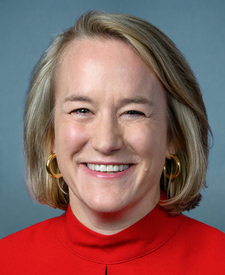

Legislative Progress
In CommitteeReferred to the Subcommittee on Oversight and Investigations.
Referred to the House Committee on Veterans' Affairs.
Introduced in House
Ms. Budzinski (for herself and Mr. Barrett) introduced the following …
Stakeholder Effects
cui bono?How this legislation distributes effects. Mention counts reflect frequency, not effect magnitude.
Bill Structure & Actor Mappings
Who is "The Secretary" in each section?
We use a combination of our own taxonomy and classification in addition to large language models to assess meaning and potential beneficiaries. High confidence means strong textual evidence. Always verify with the original bill text.
Learn more about our methodology