Protecting Motherhood Act
Analysis under review: This bill has generated analysis that may be too generic or incomplete. Clause-level evidence remains available below.
Summary
What This Bill Does
This bill prohibits federal agencies from using the term "birthing person" in official government documents. It appears to mandate the use of traditional gendered terminology (such as "mother" or "woman") instead of gender-neutral alternatives in federal communications related to pregnancy and childbirth.
Who Benefits and How
Proponents of traditional terminology and those who oppose gender-neutral language in government documents may view this as preserving conventional definitions. Federal agencies receive clear guidance on terminology standards.
Who Bears the Burden and How
Transgender and non-binary individuals who prefer gender-neutral terminology may feel excluded by official government documents. Federal agencies may need to revise existing documents and update style guides to comply with the prohibition.
Key Provisions
- Prohibits use of "birthing person" in official federal documents
- Mandates traditional terminology standards for federal agencies
- Note: Full bill text not yet available
Evidence Chain:
This summary is generated from the full bill text using AI analysis. Expand "Detailed Analysis" below for identified beneficiaries/burden bearers.
At a Glance
What This Bill Does
Prohibits federal agencies from using the term "birthing person" in official documents, mandating traditional terminology.
Key Policy Areas
Government Operations, Healthcare
Primary Purpose
Prohibits federal agencies from using the term "birthing person" in official documents, mandating traditional terminology.
Policy Domains
Terminology Standards for Federal Documents
Identified Gains
Contextual inference, no direct clause citation- Traditional terminology advocates
Contextual inference, no direct clause citation
Identified Costs
Contextual inference, no direct clause citation- Federal agencies
- Transgender and non-binary individuals
Contextual inference, no direct clause citation
Sponsors




Legislative Progress
In CommitteeReferred to the House Committee on Oversight and Government Reform.
Introduced in House
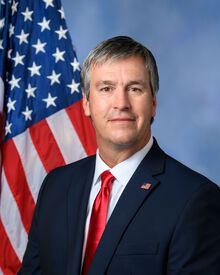
Mrs. Biggs of South Carolina (for herself, Mr. Timmons, Mrs. …
Bill Structure & Actor Mappings
Who is "The Secretary" in each section?
- "agencies"
- → Federal agencies
We use a combination of our own taxonomy and classification in addition to large language models to assess meaning and potential beneficiaries. High confidence means strong textual evidence. Always verify with the original bill text.
Learn more about our methodology