HR7234-119

In Committee

Human Trafficking Awareness Training Recognition Act of 2026

119th Congress Introduced Jan 22, 2026

Summary

What This Bill Does

The Human Trafficking Awareness Training Recognition Act of 2026 adds a Blue Campaign Certification Program to the Homeland Security Act. Within one year, DHS, acting through the Director of the Blue Campaign, must create a certificate program for private employers in industries that DHS determines have relatively high human-trafficking prevalence and where awareness training could have significant impact. Each year DHS must solicit applications from no later than January 31 until at least April 30, consult Homeland Security Investigations in reviewing applications, require employers to describe employee training to recognize and respond to suspected trafficking, and issue one-year certificates to eligible employers. DHS must recognize recipients in the Federal Register. Employers may not publicly display a certificate to falsely imply they completed the program or received certification for a year they did not. Beginning within two years, DHS must report annually to House and Senate homeland-security committees on applications, fees collected, proposed fee changes, certificates awarded, recipient names, administration costs, and other matters. DHS may charge reasonable application fees to cover program costs. The bill also expands the existing Blue Campaign to coordinate with private-sector, academic, and covered-industry experts.

Who Benefits and How

Employers in covered industries, employees receiving trafficking-awareness training, trafficking victims who may be identified by trained workers, Homeland Security Investigations, DHS Blue Campaign staff, anti-trafficking organizations, and consumers who value certified businesses benefit from a recognizable training certificate, Federal Register listing, and stronger coordination with industry and academic experts. Certified employers can display a one-year recognition that signals anti-trafficking training participation.

Who Bears the Burden and How

DHS Blue Campaign staff, Homeland Security Investigations reviewers, covered-industry employers, private applicants, compliance teams, and congressional oversight committees face application, training-documentation, fee, review, certification, Federal Register, false-display compliance, annual-reporting, and program-cost burdens. Employers that falsely display the certificate or imply certification for the wrong year face a statutory prohibition.

Key Provisions

  • Requires DHS to establish a Blue Campaign Certification Program within one year.
  • Requires annual application windows beginning by January 31 and ending no earlier than April 30.
  • Requires employers to document training for recognizing and responding to suspected human trafficking.
  • Requires HSI consultation, one-year certificates, and Federal Register recognition of recipients.
  • Prohibits false public display of Blue Campaign certification.
  • Requires annual congressional reports on applications, fees, awards, recipients, and program costs.
  • Authorizes reasonable application fees and expands Blue Campaign coordination with private-sector, academic, and covered-industry experts.

Evidence Chain:

This summary is generated from the full bill text using AI analysis. Expand "Detailed Analysis" below for identified beneficiaries/burden bearers with clause-level evidence links.

At a Glance

What This Bill Does

Creates a DHS Blue Campaign Certification Program within one year to recognize private employers in high-trafficking-risk industries whose employees complete training to recognize and respond to suspected human trafficking, requires annual application windows, HSI consultation, one-year certificates, Federal Register recognition, false-display prohibitions, annual congressional reports on applications, fees, awards, and costs, fee authority to fund the program, covered-industry definitions, and expanded Blue Campaign coordination with private-sector, academic, and covered-industry experts.

Key Policy Areas

Law Enforcement, Labor, Transportation

Primary Purpose

Creates a DHS Blue Campaign Certification Program within one year to recognize private employers in high-trafficking-risk industries whose employees complete training to recognize and respond to suspected human trafficking, requires annual application windows, HSI consultation, one-year certificates, Federal Register recognition, false-display prohibitions, annual congressional reports on applications, fees, awards, and costs, fee authority to fund the program, covered-industry definitions, and expanded Blue Campaign coordination with private-sector, academic, and covered-industry experts.

Policy Domains

Law Enforcement Labor Transportation

Substantive provisions

Identified Gains
  • Covered-industry employers
  • Employees receiving trafficking training
  • Human trafficking victims
  • DHS Blue Campaign staff
  • Homeland Security Investigations
  • Anti-trafficking organizations
Model: codex-gpt-5 | Version: bill_summary_v2 | Source: ih
DHS Blue Campaign staff: , ,
Human trafficking victims: , ,
Covered-industry employers: , ,
Anti-trafficking organizations: , ,
Homeland Security Investigations: , ,
Employees receiving trafficking training: , ,
Identified Costs
  • DHS Blue Campaign staff
  • HSI reviewers
  • Covered-industry employers
  • Private applicants
  • Compliance teams
  • Congressional oversight committees
Model: codex-gpt-5 | Version: bill_summary_v2 | Source: ih
HSI reviewers: , ,
Compliance teams: , ,
Private applicants: , ,
DHS Blue Campaign staff: , ,
Covered-industry employers: , ,
Congressional oversight committees: , ,

Legislative Progress

In Committee
Introduced Committee Passed
Jan 23, 2026

Referred to the Subcommittee on Border Security and Enforcement.

Jan 22, 2026

Referred to the Committee on the Judiciary, and in addition …

Jan 22, 2026

Introduced in House

Jan 22, 2026

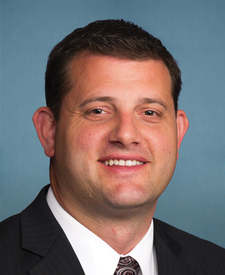
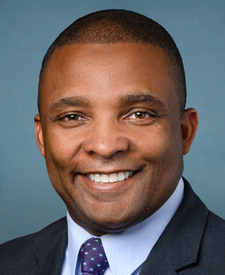
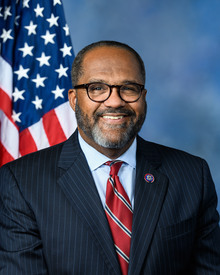
Mr. Valadao (for himself, Mr. Carter of Louisiana, and Mr. …

Stakeholder Effects

cui bono?

How this legislation distributes effects. Mention counts reflect frequency, not effect magnitude.

Labor
5 mentions across 3 clauses
+4 positive -1 negative

Covered-industry employers, Employees receiving trafficking training, Private applicants

Positive-direction: Covered-industry employers, Employees receiving trafficking training

Negative-direction: Private applicants

Government
4 mentions across 3 clauses
+1 positive -3 negative

Congressional oversight committees, DHS Blue Campaign staff

Positive-direction: Congressional oversight committees

Negative-direction: DHS Blue Campaign staff

Professional Services
2 mentions across 2 clauses
+1 positive -1 negative

Compliance teams, Private-sector experts

Positive-direction: Private-sector experts

Negative-direction: Compliance teams

Education
1 mention across 1 clause
+1 positive

Academic institutions

Social Services
1 mention across 1 clause
+1 positive

Human trafficking victims

Law Enforcement
1 mention across 1 clause
-1 negative

HSI reviewers

Non-Profit Institutions
1 mention across 1 clause
+1 positive

Anti-trafficking organizations

3/4
sections analyzed
Full impact breakdown

Bill Structure & Actor Mappings

Who is "The Secretary" in each section?

Domains
Law Enforcement Labor Transportation

We use a combination of our own taxonomy and classification in addition to large language models to assess meaning and potential beneficiaries. High confidence means strong textual evidence. Always verify with the original bill text.

Learn more about our methodology