Lobbyist Loophole Closure Act
Summary
What This Bill Does
The Lobbyist Loophole Closure Act changes the Lobbying Disclosure Act definitions that determine who must register and report. It broadens lobbying activities from efforts in support of contacts to any efforts and expressly adds counseling in support of preparation and planning activities, research, and background work. It adds a rule for compensated counseling providers: an individual with authority to direct or substantially influence another individual's lobbying contact, who is paid or otherwise compensated for counseling services in support of preparation or planning treated as lobbying activity, and who knows the specific lobbying contact was made, is deemed to have made the same lobbying contact at the same time and in the same manner to the covered official. The bill also lowers the threshold that excludes some individuals from the lobbyist definition from less than 20 percent of time to less than 10 percent of time. The changes apply to lobbying contacts made on or after enactment.
Who Benefits and How
Government transparency advocates, ethics watchdogs, congressional oversight staff, executive-branch ethics officials, and the public benefit because strategic lobbying advisers, compensated counselors, and lower-time lobbying actors are more likely to be treated as lobbyists for disclosure purposes. Clients and registrants may get clearer rules on when behind-the-scenes lobbying direction counts.
Who Bears the Burden and How
Lobbying firms, strategic communications advisers, policy consultants, law firms, corporate government-affairs teams, trade associations, and clients using compensated lobbying counselors face broader registration, tracking, reporting, and compliance duties. People who previously stayed below the 20 percent threshold may have to register if they spend at least 10 percent of time on covered lobbying work.
Key Provisions
- Expands lobbying activities to include any efforts supporting lobbying contacts.
- Adds counseling in support of lobbying preparation and planning to covered lobbying activities.
- Treats compensated counselors who substantially influence a known lobbying contact as making that same contact.
- Lowers the lobbyist time threshold from less than 20 percent to less than 10 percent.
- Applies the amendments to lobbying contacts made on or after enactment.
Evidence Chain:
This summary is generated from the full bill text using AI analysis. Expand "Detailed Analysis" below for identified beneficiaries/burden bearers with clause-level evidence links.
At a Glance
What This Bill Does
Expands Lobbying Disclosure Act coverage by treating compensated counseling that substantially influences another person's lobbying contact as the same lobbying contact, broadening lobbying activity language to include counseling in support of preparation and planning, lowering the lobbying-time threshold from less than 20 percent to less than 10 percent, and applying the amendments to lobbying contacts made on or after enactment.
Key Policy Areas
Government Ethics, Professional Services, Legal Services
Primary Purpose
Expands Lobbying Disclosure Act coverage by treating compensated counseling that substantially influences another person's lobbying contact as the same lobbying contact, broadening lobbying activity language to include counseling in support of preparation and planning, lowering the lobbying-time threshold from less than 20 percent to less than 10 percent, and applying the amendments to lobbying contacts made on or after enactment.
Policy Domains
Substantive provisions
Identified Gains
- Government transparency advocates
- Ethics watchdogs
- Congressional oversight staff
- Executive-branch ethics officials
- The public
Identified Costs
- Lobbying firms
- Strategic communications advisers
- Policy consultants
- Law firms
- Corporate government-affairs teams
- Trade associations
Sponsors

Legislative Progress
In CommitteeReferred to the House Committee on the Judiciary.
Introduced in House
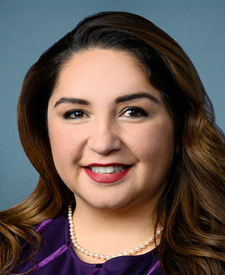
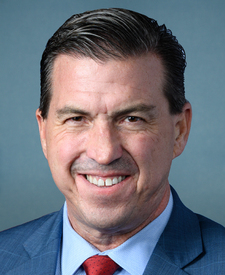
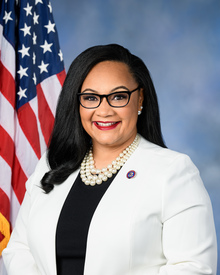
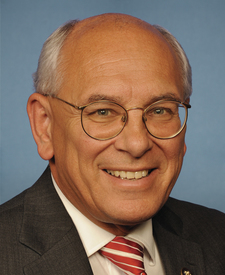
Mrs. Ramirez (for herself, Ms. Williams of Georgia, Mr. Mullin, …
Stakeholder Effects
cui bono?How this legislation distributes effects. Mention counts reflect frequency, not effect magnitude.
Law firms, Lobbying firms, Policy consultants
Ethics watchdogs, Government transparency advocates
Bill Structure & Actor Mappings
Who is "The Secretary" in each section?
We use a combination of our own taxonomy and classification in addition to large language models to assess meaning and potential beneficiaries. High confidence means strong textual evidence. Always verify with the original bill text.
Learn more about our methodology