HR7215-119

In Committee

Stop SCAMS Act

119th Congress Introduced Jan 22, 2026

Summary

What This Bill Does

The Stop SCAMS Act gives the FBI Director the lead role in coordinating federal anti-scam measurement and strategy work with the Bureau of Consumer Financial Protection, the Federal Trade Commission, and other agencies. Within one year, the Director must develop and implement a government-wide strategy to counter scams, adopt a single definition of scam and scam types, and explore harmonized data collection fields such as scam type, dollar loss amount, payment method, and other appropriate fields. Within two years, the Director must produce a government-wide estimate of annual consumers affected by scams, including unreported incidents, and total dollar losses. Separately, the FBI, CFPB, and FTC must each estimate annual scam complaints and dollar losses reported to that agency and establish metrics and plans for measuring anti-scam training offered through in-person events and webinars. Annual scam reports must publicly include those complaint estimates.

Who Benefits and How

Consumers, older adults targeted by fraud, scam victims, financial counselors, consumer advocates, law enforcement analysts, researchers, and policymakers benefit from a common definition, comparable complaint data, annual estimates of losses and affected consumers, and metrics for training effectiveness. The FBI, CFPB, and FTC benefit from a coordinated framework that can reduce duplicative or inconsistent scam reporting.

Who Bears the Burden and How

The FBI Director, FBI complaint analysts, CFPB staff, FTC staff, participating agencies, anti-scam training teams, and data-system administrators must coordinate definitions, collect comparable data, estimate underreported scam incidents, calculate dollar losses, publish annual information, and measure training effectiveness. Agencies may need to revise complaint forms, databases, public reports, and webinar or in-person training evaluation methods.

Key Provisions

  • Requires a government-wide strategy to counter scams within one year.
  • Requires a single federal definition of scam and scam types.
  • Directs agencies to harmonize scam data fields such as scam type, dollar loss amount, and payment method.
  • Requires a government-wide estimate within two years of annual consumers affected by scams and total dollar losses.
  • Requires FBI, CFPB, and FTC complaint and dollar-loss estimates for scams reported to each agency.
  • Requires metrics and plans to measure anti-scam training offered through in-person events and webinars.

Evidence Chain:

This summary is generated from the full bill text using AI analysis. Expand "Detailed Analysis" below for identified beneficiaries/burden bearers with clause-level evidence links.

At a Glance

What This Bill Does

Requires the FBI Director, coordinating with the CFPB, FTC, and other appropriate agencies, to create a government-wide anti-scam strategy, adopt a single scam definition and scam-type taxonomy, harmonize scam data collection fields, estimate annual consumer scam incidents and dollar losses, report agency-specific scam complaints and losses, measure anti-scam training effectiveness, and make annual scam complaint estimates public.

Key Policy Areas

Financial Services, Law Enforcement, Consumers

Primary Purpose

Requires the FBI Director, coordinating with the CFPB, FTC, and other appropriate agencies, to create a government-wide anti-scam strategy, adopt a single scam definition and scam-type taxonomy, harmonize scam data collection fields, estimate annual consumer scam incidents and dollar losses, report agency-specific scam complaints and losses, measure anti-scam training effectiveness, and make annual scam complaint estimates public.

Policy Domains

Financial Services Law Enforcement Consumers

Substantive provisions

Identified Gains
  • Consumers
  • Scam victims
  • Older adults targeted by fraud
  • Consumer advocates
  • Law enforcement analysts
  • Policy researchers
Model: codex-gpt-5 | Version: bill_summary_v2 | Source: ih
Consumers:
Scam victims:
Consumer advocates:
Policy researchers:
Law enforcement analysts:
Older adults targeted by fraud:
Identified Costs
  • FBI Director
  • FBI complaint analysts
  • CFPB staff
  • FTC staff
  • Participating agencies
  • Anti-scam training teams
Model: codex-gpt-5 | Version: bill_summary_v2 | Source: ih
FTC staff:
CFPB staff:
FBI Director:
FBI complaint analysts:
Participating agencies:
Anti-scam training teams:

Legislative Progress

In Committee
Introduced Committee Passed
Jan 22, 2026

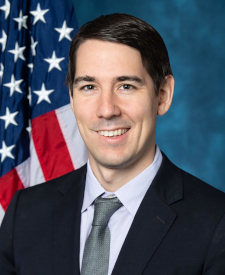
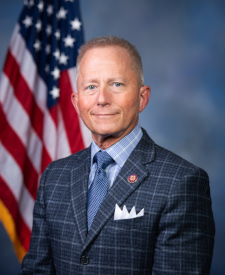
Mr. Harder of California (for himself and Mr. Fitzpatrick) introduced …

Jan 22, 2026

Referred to the Committee on the Judiciary, and in addition …

Jan 22, 2026

Introduced in House

Stakeholder Effects

cui bono?

How this legislation distributes effects. Mention counts reflect frequency, not effect magnitude.

Consumers
2 mentions across 1 clause
+2 positive

Scam victims

Law Enforcement
2 mentions across 1 clause
-2 negative

Anti-scam training teams, FBI complaint analysts

Financial Services
1 mention across 1 clause
-1 negative

CFPB staff

Government
1 mention across 1 clause
-1 negative

FTC staff

1/2
sections analyzed
Full impact breakdown

Bill Structure & Actor Mappings

Who is "The Secretary" in each section?

Domains
Financial Services Law Enforcement Consumers

We use a combination of our own taxonomy and classification in addition to large language models to assess meaning and potential beneficiaries. High confidence means strong textual evidence. Always verify with the original bill text.

Learn more about our methodology