MOLD Act
Summary
What This Bill Does
The MOLD Act responds to mold and environmental hazards in privatized military housing. Its findings state that about 700,000 service members and family members live in privatized military housing operated by 14 companies across 78 developments, and that mold exposure has been tied to respiratory illness, neurological symptoms, and developmental issues while TRICARE does not cover many mold-related expenses. The operative section requires DOD interim guidance within 180 days and final standards within one year for relative humidity, ventilation, dampness, water intrusion, inspection methods, testing methods, and mold remediation. Results must be reported to DOD and tenants within 10 days after sampling. Independent certified third-party inspectors must inspect privatized military housing at every tenant turnover, after tenant safety or habitability complaints, and after remediation, repair, or environmental-hazard responses. Inspections cover HVAC, plumbing, electrical systems, structural integrity, water intrusion, mold, microbial growth, indoor air quality, work orders, and contractor compliance. Failed units must be remediated or tenants relocated within 30 days if they want relocation. DOD must maintain complaint hotlines and websites, provide reports and housing histories to tenants and incoming tenants, require five-business-day complaint responses, add enforceable clauses to housing agreements, make providers pay for inspections, maintenance, remediation, relocation, property loss, and BAH refunds, require certified mold professionals and ANSI/IICRC S520 remediation, designate the Assistant Secretary for Energy, Installations, and Environment as Chief Housing Officer, collect quarterly reports, retain raw data for five years, and publish annual mold complaint, inspection, remediation, cost, and relocation data.
Who Benefits and How
Military families in privatized housing, service members, children in military housing, incoming tenants, tenant ombudsmen, military family advocacy personnel, and installation commanders benefit from enforceable habitability standards, third-party inspections, quick access to test results, complaint tracking, relocation options, historical housing records, and public reporting. Certified mold inspectors, indoor environmental professionals, and remediation firms benefit from required inspection and certification work. Congressional Armed Services Committees and the DOD Inspector General benefit from standardized reports and contractor-performance visibility.
Who Bears the Burden and How
Privatized military housing landlords, military housing contractors, DOD housing offices, installation commanders, military department secretaries, the Chief Housing Officer, and DOD data staff must implement new standards, inspections, portals, complaint systems, reports, briefings, data retention, and enforcement. Housing providers bear financial responsibility for third-party inspections, maintenance, mold remediation, relocation expenses, property loss, and basic allowance for housing refunds for uninhabitable units. Noncompliant landlords can face command notification, audits, performance reviews, and suspension of housing-related bonuses. Federal taxpayers bear oversight and system costs.
Key Provisions
- Requires DOD interim guidance within 180 days and final mold, humidity, ventilation, dampness, water-intrusion, inspection, testing, and remediation standards within one year.
- Requires independent certified third-party inspections of privatized military housing at tenant turnover, tenant complaint, and post-remediation or repair stages.
- Requires inspection records, pass-fail status, historical unit records, tenant access, incoming-tenant access, and secure portal access.
- Requires failed units to be remediated or tenants relocated within 30 days when tenants want relocation.
- Requires complaint hotlines, public redacted complaint data, five-business-day housing-office responses, and written tenant confirmations.
- Requires enforceable housing-agreement clauses, provider payment for inspections and remediation costs, certified mold professionals, quarterly reports, annual public mold data, and Chief Housing Officer oversight.
Evidence Chain:
This summary is generated from the full bill text using AI analysis. Expand "Detailed Analysis" below for identified beneficiaries/burden bearers with clause-level evidence links.
At a Glance
What This Bill Does
Requires the Defense Department to set mold, humidity, ventilation, dampness, water-intrusion, inspection, testing, and remediation standards for covered military family housing, mandate independent third-party inspections of privatized military housing at tenant turnover, complaint, and post-remediation points, give tenants inspection records and relocation protections, make housing providers financially responsible for inspections and remediation, create complaint and reporting systems, designate a Chief Housing Officer, and report public mold data annually.
Key Policy Areas
Defense, Housing, Healthcare
Primary Purpose
Requires the Defense Department to set mold, humidity, ventilation, dampness, water-intrusion, inspection, testing, and remediation standards for covered military family housing, mandate independent third-party inspections of privatized military housing at tenant turnover, complaint, and post-remediation points, give tenants inspection records and relocation protections, make housing providers financially responsible for inspections and remediation, create complaint and reporting systems, designate a Chief Housing Officer, and report public mold data annually.
Policy Domains
Substantive provisions
Identified Gains
- Military families in privatized housing
- Service members
- Children in military housing
- Incoming tenants
- Tenant ombudsmen
- Military family advocacy personnel
- Certified mold inspectors
Identified Costs
- Privatized military housing landlords
- Military housing contractors
- DOD housing offices
- Installation commanders
- Chief Housing Officer
- DOD Inspector General staff
- Federal taxpayers
Sponsors
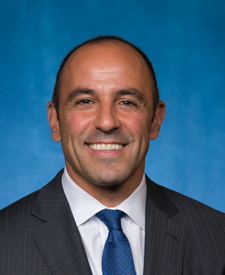
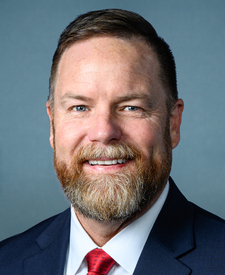
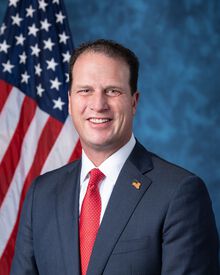


Legislative Progress
In CommitteeReferred to the House Committee on Armed Services.
Introduced in House
Mr. Panetta (for himself, Mr. Moylan, and Mr. Bilirakis) introduced …
Stakeholder Effects
cui bono?How this legislation distributes effects. Mention counts reflect frequency, not effect magnitude.
Chief Housing Officer, DOD housing offices, Installation commanders
Positive-direction: Service members
Negative-direction: Chief Housing Officer, DOD housing offices, Installation commanders
Incoming military tenants, Military families in privatized housing
Military housing contractors, Privatized military housing landlords
Congressional defense committees, Tenant ombudsmen
Bill Structure & Actor Mappings
Who is "The Secretary" in each section?
We use a combination of our own taxonomy and classification in addition to large language models to assess meaning and potential beneficiaries. High confidence means strong textual evidence. Always verify with the original bill text.
Learn more about our methodology