Countering Captagon and Narcotics Post-Assad Act
Summary
What This Bill Does
The Countering Captagon and Narcotics Post-Assad Act revises an existing interagency strategy requirement from the FY2023 National Defense Authorization Act. The bill reframes the threat from Captagon networks linked to Bashar al-Assad's regime to shifting Captagon, methamphetamine, and amphetamine production and trafficking patterns in the Middle East after the fall of the Assad regime, especially risks in Iraq. It requires the strategy to be unclassified and focused on the Middle East rather than only Assad-regime-linked networks in Syria. The strategy must assess evolving production and trafficking patterns in the U.S. Central Command area of responsibility, identify countries receiving or transiting large shipments, assess those countries' counter-narcotics capacity, assess current U.S. assistance and training programs, assess international cooperation to disrupt narcotics infrastructure, and recommend ways to disrupt and dismantle networks, including those linked to the former Assad regime, Hezbollah, and Iran-backed proxies.
Who Benefits and How
U.S. Central Command, State Department counter-narcotics officials, DEA and other U.S. law-enforcement agencies, Iraq border-security institutions, Middle East partner governments, and congressional oversight committees benefit from a broader unclassified assessment of regional drug trafficking patterns and capacity gaps. Communities affected by Captagon, methamphetamine, and amphetamine trafficking may benefit if the strategy improves interdiction, border security, assistance, training, and international cooperation.
Who Bears the Burden and How
DOD, State, law-enforcement, intelligence, and interagency strategy staff must update the written strategy, gather regional trafficking data, identify transit and recipient countries, assess partner capacity, evaluate U.S. assistance, and develop recommendations. Middle East partner governments may face scrutiny of counter-narcotics capacity. Captagon traffickers, Hezbollah-linked networks, former Assad-regime networks, and Iran-backed proxies face greater disruption pressure if the strategy leads to coordinated military and law-enforcement action.
Key Provisions
- Reframes the Captagon strategy around post-Assad Middle East production and trafficking patterns.
- Requires an unclassified written strategy focused on the Middle East and the U.S. Central Command area.
- Requires identification of countries receiving or transiting large shipments of Captagon, methamphetamine, and other amphetamine-type stimulants.
- Requires assessment of partner counter-narcotics capacity and U.S. assistance and training programs.
- Requires assessment of international cooperation to disrupt narcotics infrastructure.
- Requires recommendations to disrupt networks linked to the former Assad regime, Hezbollah, and Iran-backed proxies.
Evidence Chain:
This summary is generated from the full bill text using AI analysis. Expand "Detailed Analysis" below for identified beneficiaries/burden bearers with clause-level evidence links.
At a Glance
What This Bill Does
Updates the FY2023 NDAA Captagon strategy requirement for the post-Assad Middle East by requiring an unclassified written strategy assessing shifting Captagon, methamphetamine, and amphetamine-type stimulant production and trafficking in the U.S. Central Command area, identifying recipient and transit countries, assessing partner interdiction capacity and U.S. training assistance, reviewing international cooperation, and recommending ways to disrupt networks linked to the former Assad regime, Hezbollah, and Iran-backed proxies.
Key Policy Areas
Foreign Policy, Law Enforcement, Defense
Primary Purpose
Updates the FY2023 NDAA Captagon strategy requirement for the post-Assad Middle East by requiring an unclassified written strategy assessing shifting Captagon, methamphetamine, and amphetamine-type stimulant production and trafficking in the U.S. Central Command area, identifying recipient and transit countries, assessing partner interdiction capacity and U.S. training assistance, reviewing international cooperation, and recommending ways to disrupt networks linked to the former Assad regime, Hezbollah, and Iran-backed proxies.
Policy Domains
Substantive provisions
Identified Gains
- U.S. Central Command
- State Department counter-narcotics officials
- DEA investigators
- Iraq border-security institutions
- Middle East partner governments
- Congressional oversight committees
Identified Costs
- Interagency strategy staff
- Middle East partner governments
- Captagon traffickers
- Hezbollah-linked networks
- Former Assad-regime networks
- Iran-backed proxies
Sponsors

Legislative Progress
In CommitteeReferred to the House Committee on Foreign Affairs.
Introduced in House
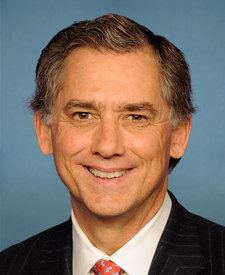
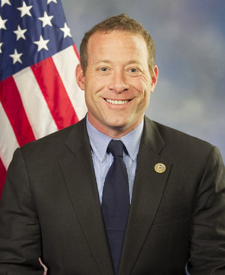
Mr. Hill of Arkansas (for himself and Mr. Moskowitz) introduced …
Stakeholder Effects
cui bono?How this legislation distributes effects. Mention counts reflect frequency, not effect magnitude.
Captagon traffickers, Hezbollah-linked networks, Iran-backed proxies
Positive-direction: Middle East partner governments
Negative-direction: Captagon traffickers, Hezbollah-linked networks, Iran-backed proxies
Congressional oversight committees, Interagency strategy staff, State Department counter-narcotics officials
Positive-direction: Congressional oversight committees, State Department counter-narcotics officials
Negative-direction: Interagency strategy staff
Bill Structure & Actor Mappings
Who is "The Secretary" in each section?
We use a combination of our own taxonomy and classification in addition to large language models to assess meaning and potential beneficiaries. High confidence means strong textual evidence. Always verify with the original bill text.
Learn more about our methodology