Protecting Girls with Turner Syndrome Act of 2026
Summary
What This Bill Does
The Protecting Girls with Turner Syndrome Act adds a new title 18 section 250. It makes it unlawful to perform an abortion knowing the woman seeks it because of a test, diagnosis, or reason to believe the unborn child has or may have Turner syndrome, or without first asking about Turner syndrome evidence and informing the woman of the bill's prohibitions if the provider is aware of such evidence. It also prohibits force or threats to coerce such an abortion, solicitation or acceptance of funds for such an abortion, and transporting a woman across state or national lines for that abortion. Violations carry up to five years in prison. The woman receiving the abortion cannot be prosecuted or held civilly liable. The bill creates civil actions for women subjected to force or coercion and for certain fathers or maternal grandparents of minors, allows damages, punitive damages, injunctions, and attorney fees, treats violations as disability discrimination under Rehabilitation Act section 504, requires healthcare professionals to report known or suspected violations, creates penalties for failure to report, requires expedited court consideration, protects plaintiff anonymity and privacy, and adds severability.
Who Benefits and How
Unborn children diagnosed with Turner syndrome, disability-rights advocates who support prenatal nondiscrimination laws, certain fathers, and maternal grandparents of pregnant minors benefit from a federal prohibition, civil remedies, and disability-discrimination framing. Pregnant women are protected from prosecution or civil liability under the bill even when a covered abortion occurs. Plaintiffs alleging coercion benefit from damages, punitive damages, injunctions, attorney fees, and privacy protections. Federal and state enforcement officials benefit from mandatory reporting by healthcare professionals.
Who Bears the Burden and How
Abortion providers, clinics, physicians, healthcare professionals, abortion funds, patient-transport networks, and people assisting travel for covered abortions face criminal exposure, civil liability, mandatory inquiry and disclosure duties, reporting obligations, and litigation risk. Pregnant women seeking abortion after Turner syndrome evidence may face reduced access to lawful providers even though the bill bars prosecuting them. Federal courts must expedite actions and handle anonymity procedures. Healthcare professionals must report suspected violations or face penalties.
Key Provisions
- Creates a federal offense for abortions performed because an unborn child has or may have Turner syndrome.
- Requires abortion providers to ask about Turner syndrome evidence and inform patients of the prohibition when aware of such evidence.
- Prohibits force, threats, funding, solicitation, and interstate or international transport for covered abortions.
- Protects pregnant women from prosecution and civil liability under the new offense.
- Creates civil remedies, disability-discrimination treatment, mandatory healthcare-professional reporting, and privacy protections.
- Adds expedited court procedures and severability.
Evidence Chain:
This summary is generated from the full bill text using AI analysis. Expand "Detailed Analysis" below for identified beneficiaries/burden bearers with clause-level evidence links.
At a Glance
What This Bill Does
Creates a federal criminal offense and civil-remedy scheme for abortions performed because an unborn child has or may have Turner syndrome, requiring providers to ask and inform patients about the Turner syndrome prohibition, penalizing coercion, solicitation, funding, and transport for covered abortions, protecting pregnant women from prosecution, requiring healthcare-professional reporting, deeming violations disability discrimination, and preserving privacy and severability rules.
Key Policy Areas
Healthcare, Civil Rights, Law Enforcement
Primary Purpose
Creates a federal criminal offense and civil-remedy scheme for abortions performed because an unborn child has or may have Turner syndrome, requiring providers to ask and inform patients about the Turner syndrome prohibition, penalizing coercion, solicitation, funding, and transport for covered abortions, protecting pregnant women from prosecution, requiring healthcare-professional reporting, deeming violations disability discrimination, and preserving privacy and severability rules.
Policy Domains
Substantive provisions
Identified Gains
- Unborn children with Turner syndrome
- Prenatal disability-rights advocates
- Fathers of affected unborn children
- Maternal grandparents of pregnant minors
- Pregnant women protected from prosecution
Identified Costs
- Abortion providers
- Abortion clinics
- Healthcare professionals
- Abortion funds
- Patient-transport networks
- Federal courts
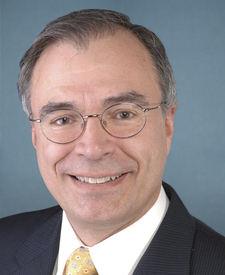
Sponsors




Legislative Progress
In CommitteeReferred to the House Committee on the Judiciary.
Introduced in House
Mr. Feenstra (for himself, Mrs. Miller of Illinois, Mrs. Miller-Meeks, …
Stakeholder Effects
cui bono?How this legislation distributes effects. Mention counts reflect frequency, not effect magnitude.
Abortion clinics, Abortion providers, Healthcare professionals
Fathers of affected unborn children, Maternal grandparents of pregnant minors, Unborn children with Turner syndrome
Abortion funds, Prenatal disability-rights advocates
Positive-direction: Prenatal disability-rights advocates
Negative-direction: Abortion funds
Federal courts
Federal courts faces effects in multiple directions
Bill Structure & Actor Mappings
Who is "The Secretary" in each section?
We use a combination of our own taxonomy and classification in addition to large language models to assess meaning and potential beneficiaries. High confidence means strong textual evidence. Always verify with the original bill text.
Learn more about our methodology