Vets Connect Act
Summary
What This Bill Does
The Vets Connect Act directs the Secretary of Veterans Affairs to establish a privacy-preserving database and messaging platform for veterans. The system lets verified veterans search for and message other veterans they served with, based on military service information such as branch, units, service dates, deployments, occupational specialty, and rank. Users must affirmatively opt in to be discoverable and may change visibility, restrict communications, opt out, or delete contributed information. The system may not disclose contact information unless a veteran authorizes it, and it may not be used for legal or financial solicitation, VA-claims solicitation, advertising, marketing, commercial outreach, or data brokerage. Contractors, subcontractors, and third parties may use data only for contract duties. VA must use encryption, access controls, monitoring, anti-scraping and anti-harvesting controls, audit logs, and penalties by regulation or law. The VA Inspector General may review access, queries, administration, and communications metadata, but the bill does not authorize disclosure of protected VA records.
Who Benefits and How
Veterans who want to reconnect with former unit members, deployment peers, and service colleagues benefit from a verified opt-in platform that does not require public disclosure of contact information. Veteran peer-support networks, reunion organizers, and veterans seeking service history connections benefit from branch, unit, deployment, occupational specialty, and rank matching. Privacy-conscious veterans benefit from opt-in visibility, contact restrictions, deletion rights, and limits on solicitation, advertising, marketing, and data brokerage.
Who Bears the Burden and How
VA technology, privacy, cybersecurity, and records staff must design, secure, operate, monitor, and audit a new system while verifying military service and honoring user controls. VA contractors must follow strict data-use limits and cybersecurity requirements. The VA Inspector General must review system activity and compliance. Commercial solicitors, claims lead generators, data brokers, and marketing firms lose access to a potential veteran-contact channel. Federal taxpayers bear development, security, and oversight costs.
Key Provisions
- Establishes a secure VA Vets Connect database and messaging platform for verified veterans.
- Requires opt-in discoverability and allows users to change visibility, restrict communications, opt out, or delete contributed information.
- Bars contact-information disclosure unless a veteran authorizes it.
- Prohibits legal, financial, claims, advertising, marketing, commercial, and data-brokerage use.
- Requires encryption, access controls, monitoring, anti-scraping controls, audit logs, and penalties.
- Provides VA Inspector General access for oversight while preserving protected VA record restrictions.
Evidence Chain:
This summary is generated from the full bill text using AI analysis. Expand "Detailed Analysis" below for identified beneficiaries/burden bearers with clause-level evidence links.
At a Glance
What This Bill Does
Requires the Department of Veterans Affairs to build a secure opt-in Vets Connect database and messaging system that lets verified veterans reconnect with former service peers while protecting contact information, limiting commercial and claims-solicitation use, requiring cybersecurity controls, creating audit logs, and giving the VA Inspector General oversight access.
Key Policy Areas
Veterans, Technology, Privacy
Primary Purpose
Requires the Department of Veterans Affairs to build a secure opt-in Vets Connect database and messaging system that lets verified veterans reconnect with former service peers while protecting contact information, limiting commercial and claims-solicitation use, requiring cybersecurity controls, creating audit logs, and giving the VA Inspector General oversight access.
Policy Domains
Substantive provisions
Identified Gains
- Veterans seeking former service peers
- Veteran peer-support networks
- Veteran reunion organizers
- Privacy-conscious veterans
- VA Inspector General staff
Identified Costs
- VA technology staff
- VA privacy staff
- VA cybersecurity staff
- VA contractors
- Commercial claims solicitors
- Data brokers
- Federal taxpayers
Sponsors


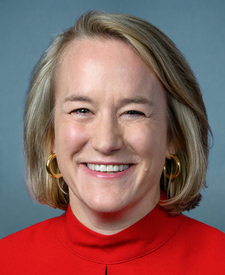
Legislative Progress
In CommitteeReferred to the House Committee on Veterans' Affairs.
Introduced in House
Mr. Edwards (for himself and Ms. Budzinski) introduced the following …
Stakeholder Effects
cui bono?How this legislation distributes effects. Mention counts reflect frequency, not effect magnitude.
Privacy-conscious veterans, Veteran peer-support networks, Veterans seeking former service peers
Data brokers, VA contractors, VA cybersecurity staff
Bill Structure & Actor Mappings
Who is "The Secretary" in each section?
We use a combination of our own taxonomy and classification in addition to large language models to assess meaning and potential beneficiaries. High confidence means strong textual evidence. Always verify with the original bill text.
Learn more about our methodology