Full Cost of War Act
Summary
What This Bill Does
The Full Cost of War Act links future war authorizations to veterans-benefits funding. Any authorization for use of military force or declaration of war enacted after the bill must authorize appropriations for the Department of Veterans Affairs in whatever amounts are necessary for medical care, disability compensation, and any other earned benefit associated with activities under that authorization or declaration. The amount is not fixed in the bill; it is determined jointly by the Secretary of Defense and the Secretary of Veterans Affairs. The bill therefore forces Congress to account for downstream veteran care and benefit obligations when it authorizes a new conflict, instead of treating those costs as separate later appropriations.
Who Benefits and How
Service members, future veterans, VA patients, military families, and veterans-service organizations benefit because Congress would have to recognize conflict-related medical care, disability compensation, and earned-benefit costs at the authorization stage. VA medical centers and benefit offices benefit from a statutory basis for conflict-related funding needs. Defense planners and congressional defense committees benefit from a clearer full-cost estimate attached to future AUMFs or war declarations.
Who Bears the Burden and How
Federal taxpayers bear the cost of any additional VA authorizations tied to future conflicts. Congress, DOD, and VA must jointly estimate medical care, disability compensation, and earned-benefit needs whenever a new AUMF or war declaration is considered. The Defense Secretary and VA Secretary must coordinate fiscal estimates, and appropriators may face higher displayed costs for military action because veteran care is included in the same authorization framework.
Key Provisions
- Requires future AUMFs and declarations of war to authorize VA appropriations for conflict-related medical care.
- Requires future AUMFs and declarations of war to authorize VA appropriations for disability compensation.
- Requires future conflict authorizations to include any other earned veteran benefits linked to the military activities.
- Directs the Defense Secretary and VA Secretary to jointly determine the necessary amount.
- Makes long-term veteran-care costs part of the legal accounting for future military force authorizations.
Evidence Chain:
This summary is generated from the full bill text using AI analysis. Expand "Detailed Analysis" below for identified beneficiaries/burden bearers with clause-level evidence links.
At a Glance
What This Bill Does
Requires every future authorization for use of military force or declaration of war to include authorization for such sums as necessary for VA medical care, disability compensation, and other earned benefits arising from that conflict, as jointly determined by the Defense Secretary and VA Secretary.
Key Policy Areas
Defense, Veterans, Appropriations
Primary Purpose
Requires every future authorization for use of military force or declaration of war to include authorization for such sums as necessary for VA medical care, disability compensation, and other earned benefits arising from that conflict, as jointly determined by the Defense Secretary and VA Secretary.
Policy Domains
Substantive provisions
Identified Gains
- Service members
- Future veterans
- VA patients
- Military families
- Veterans-service organizations
- VA medical centers
Identified Costs
- Federal taxpayers
- Congressional budget writers
- Defense Department budget staff
- VA budget staff
- Appropriations committees
Sponsors



Legislative Progress
In CommitteeReferred to the House Committee on Foreign Affairs.
Introduced in House
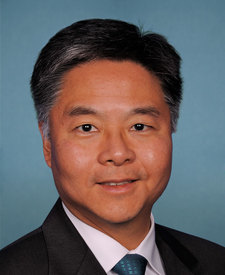
Mr. Deluzio (for himself and Mr. Lieu) introduced the following …
Stakeholder Effects
cui bono?How this legislation distributes effects. Mention counts reflect frequency, not effect magnitude.
Defense Department budget staff, Service members
Positive-direction: Service members
Negative-direction: Defense Department budget staff
Bill Structure & Actor Mappings
Who is "The Secretary" in each section?
We use a combination of our own taxonomy and classification in addition to large language models to assess meaning and potential beneficiaries. High confidence means strong textual evidence. Always verify with the original bill text.
Learn more about our methodology