Follow the Science Act
Summary
What This Bill Does
The Follow the Science Act is aimed at insulating NIH and ARPA-H research funding decisions from political appointee control. It defines political employee to include Executive Schedule officials, noncareer Senior Executive Service officials, Schedule C and Schedule G appointees, and other excepted policy positions. Except for the NIH Director, National Cancer Institute Director, ARPA-H Director, and narrow cases where another agency's employee must participate under the Public Health Service Act, political employees may not be employed by NIH or participate in implementation of general policies governing NIH program or activity management and operation. Political employees may not participate in solicitation, review, scoring, selection, or award of NIH or ARPA-H grants, contracts, cooperative agreements, other transactions, or other funding arrangements. The NIH Director must report to Congress within 30 days on political employee participation in those activities from January 20, 2021 to enactment. NIH also may not cancel, delay, or suspend covered research agreements, including through the Payment Management System, unless written findings show financial mismanagement, research fraud, debarment, or malfeasance and Congress receives notice within 30 days.
Who Benefits and How
Biomedical researchers, NIH grant recipients, ARPA-H award recipients, research universities, hospitals, and disease-focused research communities benefit from stronger protection against political interference in peer review, scoring, selection, award, and payment continuity. NIH career scientists and program officers benefit from clearer control over scientific program management. Congressional health committees benefit from a report on past political participation and notices when NIH cancels, delays, or suspends covered agreements.
Who Bears the Burden and How
Political appointees lose access to NIH employment and decision roles in NIH and ARPA-H awards, except for named leadership positions and narrow statutory participation. NIH leadership, HHS officials, and ARPA-H administrators must police participation rules, prepare a 30-day report, document written findings before stopping covered agreements, notify Congress, and ensure grants and contracts run for their full terms when misconduct findings are absent. Federal oversight staff may face disputes about what counts as malfeasance, fraud, or required political participation.
Key Provisions
- Defines political employees covered by the NIH and ARPA-H restrictions.
- Bars most political employees from NIH employment or NIH program-management participation.
- Prohibits political employee participation in NIH and ARPA-H solicitation, review, scoring, selection, and award activities.
- Requires an NIH Director report to Congress on political employee participation since January 20, 2021.
- Bars NIH from canceling, delaying, or suspending covered research agreements absent written findings of mismanagement, fraud, debarment, or malfeasance.
- Requires congressional notice within 30 days when NIH stops or delays a covered agreement.
Evidence Chain:
This summary is generated from the full bill text using AI analysis. Expand "Detailed Analysis" below for identified beneficiaries/burden bearers with clause-level evidence links.
At a Glance
What This Bill Does
Restricts political appointee involvement in NIH and ARPA-H operations by defining political employees, barring most political employees from NIH employment or program-management participation, prohibiting political involvement in grant and award solicitation, review, scoring, selection, and award decisions, requiring a report on prior political participation, and protecting covered research agreements from cancellation or suspension absent written findings and congressional notice.
Key Policy Areas
Healthcare, Research & Science, Government
Primary Purpose
Restricts political appointee involvement in NIH and ARPA-H operations by defining political employees, barring most political employees from NIH employment or program-management participation, prohibiting political involvement in grant and award solicitation, review, scoring, selection, and award decisions, requiring a report on prior political participation, and protecting covered research agreements from cancellation or suspension absent written findings and congressional notice.
Policy Domains
Substantive provisions
Identified Gains
- Biomedical researchers
- NIH grant recipients
- ARPA-H award recipients
- Research universities
- Hospitals
- NIH career scientists
- Congressional health committees
Identified Costs
- Political appointees
- NIH leadership
- HHS officials
- ARPA-H administrators
- Federal oversight staff
Sponsors



Legislative Progress
In CommitteeReferred to the House Committee on Energy and Commerce.
Introduced in House
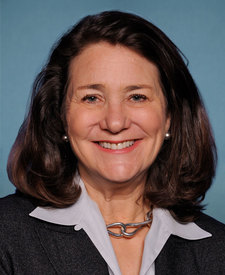
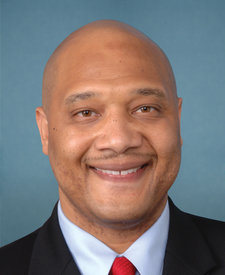
Ms. DeGette (for herself, Ms. Norton, Ms. McClellan, Mrs. Dingell, …
Stakeholder Effects
cui bono?How this legislation distributes effects. Mention counts reflect frequency, not effect magnitude.
Congressional health committees, HHS officials, HHS personnel offices
Positive-direction: Congressional health committees
Negative-direction: HHS officials, HHS personnel offices, NIH Director, NIH leadership, NIH oversight staff, NIH payment staff, Political appointees
ARPA-H award recipients, Biomedical researchers, NIH career scientists
Bill Structure & Actor Mappings
Who is "The Secretary" in each section?
We use a combination of our own taxonomy and classification in addition to large language models to assess meaning and potential beneficiaries. High confidence means strong textual evidence. Always verify with the original bill text.
Learn more about our methodology