Wildlife Movement Through Partnerships Act of 2025
Summary
What This Bill Does
The Wildlife Movement Through Partnerships Act creates a federal framework for conserving wildlife movement areas without imposing non-voluntary land-use changes. It defines movement areas, eligible recipients, relevant agencies, and the National Fish and Wildlife Foundation role. The main Wildlife Movement and Movement Area Grant Program, administered through a cooperative agreement with NFWF, funds projects that improve or conserve habitat quality in movement areas, including habitat leases, fence modifications, non-federal land acquisition, conservation easements, hydrology work, wildlife-vehicle collision reduction, and road or infrastructure modifications. Federal cost share can reach 90 percent, with at least 10 percent non-federal match and waiver authority for Tribes, historically disadvantaged communities, and persistent-poverty communities. At least half of grant funding must support projects directly conserving, restoring, or enhancing big-game movement areas. The bill also creates a State and Tribal Migration Research Program through USFWS Science Applications, expands Partners for Fish and Wildlife technical assistance, directs USGS mapping and technical assistance, appoints an Interior senior coordinator, requires reports to Congress, and preserves state wildlife authority, Tribal treaty authority, private property, agriculture, forestry, energy, mining, water, public recreation, military readiness, and existing native-species conservation laws.
Who Benefits and How
State wildlife agencies, Tribal wildlife agencies, NFWF, private landowners, conservation nonprofits, county governments, transportation departments, and research universities benefit from grants, research funding, mapping support, and coordination for migration corridors and seasonal habitats. Big-game populations, migratory wildlife, hunters, wildlife viewers, and rural communities benefit if habitat quality, road crossings, fencing, and hydrology projects reduce fragmentation and wildlife-vehicle collisions. Tribes and disadvantaged communities benefit from match-waiver authority and direct migration research support.
Who Bears the Burden and How
Interior, USDA, DOT, USFWS, USGS, NFWF, State agencies, Tribal agencies, and eligible recipients must administer grants, verify movement-area science, secure written State or Tribal support, provide matching funds unless waived, report biennially, protect sensitive species-location and private-property information, coordinate across agencies, and manage project oversight. Federal taxpayers bear the authorized costs. Landowners, agricultural operators, forestry operators, energy developers, mining interests, military installations, and recreation users gain savings-clause protections but may still need to coordinate voluntarily with funded connectivity projects.
Key Provisions
- Creates a NFWF-administered Wildlife Movement and Movement Area Grant Program for habitat connectivity projects.
- Authorizes grants for habitat leases, fence modifications, land acquisition, conservation easements, hydrology, wildlife crossings, and infrastructure modifications.
- Requires State or Tribal wildlife agency support and provides up to 90 percent federal cost share with selected match waivers.
- Creates a State and Tribal Migration Research Program through USFWS Science Applications.
- Expands Partners for Fish and Wildlife technical assistance and directs USGS corridor mapping support.
- Requires interagency coordination, congressional reports, sensitive-data protections, and savings clauses for property, Tribal, state, agriculture, recreation, military, and existing-law interests.
Evidence Chain:
This summary is generated from the full bill text using AI analysis. Expand "Detailed Analysis" below for identified beneficiaries/burden bearers with clause-level evidence links.
At a Glance
What This Bill Does
Creates and coordinates federal partnership tools for wildlife movement areas, including a NFWF-administered matching grant program for habitat connectivity projects, direct State and Tribal migration research funding, expanded Partners for Fish and Wildlife technical assistance, USGS corridor mapping, interagency coordination led by an Interior senior official, and savings clauses protecting voluntary land-use, property, Tribal, hunting, recreation, military-readiness, and state wildlife authorities.
Key Policy Areas
Environment, Agriculture, Transportation
Primary Purpose
Creates and coordinates federal partnership tools for wildlife movement areas, including a NFWF-administered matching grant program for habitat connectivity projects, direct State and Tribal migration research funding, expanded Partners for Fish and Wildlife technical assistance, USGS corridor mapping, interagency coordination led by an Interior senior official, and savings clauses protecting voluntary land-use, property, Tribal, hunting, recreation, military-readiness, and state wildlife authorities.
Policy Domains
Substantive provisions
Identified Gains
- State wildlife agencies
- Tribal wildlife agencies
- NFWF
- Private landowners
- Conservation nonprofits
- County governments
- Transportation departments
- Migratory wildlife
Identified Costs
- Interior Department staff
- USDA staff
- DOT staff
- USFWS staff
- USGS mapping staff
- Federal taxpayers
- Grant recipients
- Project sponsors
Sponsors
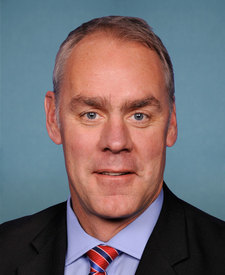

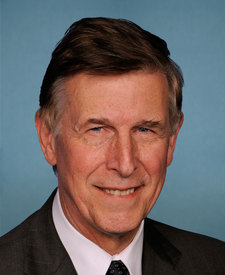

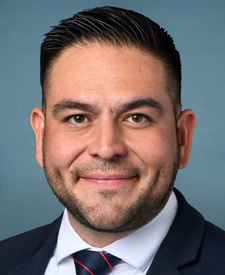
Legislative Progress
In CommitteeMr. Zinke (for himself and Mr. Beyer) introduced the following …
Referred to the House Committee on Natural Resources.
Introduced in House
Stakeholder Effects
cui bono?How this legislation distributes effects. Mention counts reflect frequency, not effect magnitude.
Congressional natural-resource committees, Federal conservation agencies, Interior budget staff
Positive-direction: Congressional natural-resource committees, Federal conservation agencies
Negative-direction: Interior budget staff, Interior grant staff, Interior senior coordinator, Relevant federal agencies, USFWS Science Applications, USFWS staff, USGS mapping staff
County governments, State wildlife agencies
Tribal governments, Tribal land managers, Tribal wildlife agencies
Conservation nonprofits, Grant applicants, Grant recipients
Positive-direction: Conservation nonprofits, Grant applicants, NFWF
Negative-direction: Grant recipients
Federal land managers, Migratory wildlife, Wildlife movement programs
Federal land managers faces effects in multiple directions
Bill Structure & Actor Mappings
Who is "The Secretary" in each section?
We use a combination of our own taxonomy and classification in addition to large language models to assess meaning and potential beneficiaries. High confidence means strong textual evidence. Always verify with the original bill text.
Learn more about our methodology