To amend title 40, United States Code, to permit commercial filmmaking and photography on the United States Capitol grounds, and for other purposes.
Summary
What This Bill Does
This bill amends title 40 section 5106 to create a commercial filmmaking and photography permit process for the United States Capitol Grounds. Despite existing restrictions on commercial activity, the Chief of the United States Capitol Police may issue permits for appropriate commercial filming and photography on Capitol grounds other than Capitol Buildings, but only during periods when neither the House nor the Senate is in session. The Chief may require fees to cover Architect of the Capitol costs. Activities and fees are appropriate only if similar to commercial activity and fees allowed in Union Square before jurisdiction transferred to the Architect of the Capitol. Fees must be transferred immediately to the Capitol Trust Account. The Chief must administer the permit program under regulations promulgated by the Capitol Police Board, and the Board must consult with the House Administration Committee and Senate Rules and Administration Committee. The bill defines Union Square and makes a conforming Capitol Trust Account amendment.
Who Benefits and How
Commercial film producers, photographers, documentary crews, location managers, and tourism or media companies benefit from a lawful path to use outdoor Capitol grounds for paid filming or photography when Congress is not in session. The United States Capitol Police and Architect of the Capitol benefit from fee authority to recover costs. The Capitol Trust Account benefits from deposited permit fees. Congressional administration committees benefit from consultation on regulations governing commercial access.
Who Bears the Burden and How
United States Capitol Police staff must review permit applications, enforce session-time restrictions, collect and transfer fees, and coordinate security. Architect of the Capitol staff may incur reimbursable costs related to permitted activity. The Capitol Police Board must write regulations in consultation with congressional committees. Filmmakers and photographers must pay fees, follow permit terms, avoid Capitol Buildings, and schedule around congressional sessions. Capitol grounds visitors may face temporary access management during permitted shoots.
Key Provisions
- Authorizes Capitol Police permits for appropriate commercial filming and photography on outdoor Capitol grounds.
- Limits permitted activity to periods when neither the House nor the Senate is in session.
- Allows permit fees to cover Architect of the Capitol costs using Union Square fee precedent.
- Requires collected fees to be transferred to the Capitol Trust Account.
- Requires Capitol Police Board regulations after consultation with House and Senate administration committees.
- Excludes Capitol Buildings from the commercial filming and photography authority.
Evidence Chain:
This summary is generated from the full bill text using AI analysis. Expand "Detailed Analysis" below for identified beneficiaries/burden bearers with clause-level evidence links.
At a Glance
What This Bill Does
Allows the Chief of the United States Capitol Police to permit appropriate commercial filmmaking and photography on outdoor Capitol grounds when neither chamber is in session, collect fees tied to prior Union Square National Park Service practice, transfer those fees to the Capitol Trust Account, and implement regulations through the Capitol Police Board after consultation with House and Senate administration committees.
Key Policy Areas
Government, Tourism, Professional Services
Primary Purpose
Allows the Chief of the United States Capitol Police to permit appropriate commercial filmmaking and photography on outdoor Capitol grounds when neither chamber is in session, collect fees tied to prior Union Square National Park Service practice, transfer those fees to the Capitol Trust Account, and implement regulations through the Capitol Police Board after consultation with House and Senate administration committees.
Policy Domains
Substantive provisions
Identified Gains
- Commercial filmmakers
- Commercial photographers
- Documentary crews
- Location managers
- United States Capitol Police
- Architect of the Capitol
- Capitol Trust Account
Identified Costs
- United States Capitol Police staff
- Architect of the Capitol staff
- Capitol Police Board
- Filmmakers seeking permits
- Capitol grounds visitors
Legislative Progress
In CommitteeReferred to the Subcommittee on Economic Development, Public Buildings, and …
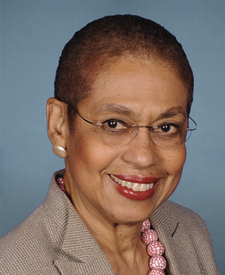
Ms. Norton introduced the following bill; which was referred to …
Referred to the House Committee on Transportation and Infrastructure.
Introduced in House
Sponsor introductory remarks on measure. (CR E55)
Stakeholder Effects
cui bono?How this legislation distributes effects. Mention counts reflect frequency, not effect magnitude.
Commercial filmmakers, Commercial photographers
Architect of the Capitol staff, Capitol Trust Account
Positive-direction: Capitol Trust Account
Negative-direction: Architect of the Capitol staff
Bill Structure & Actor Mappings
Who is "The Secretary" in each section?
We use a combination of our own taxonomy and classification in addition to large language models to assess meaning and potential beneficiaries. High confidence means strong textual evidence. Always verify with the original bill text.
Learn more about our methodology