To amend title 38, United States Code, to direct the Secretary of Veterans Affairs to improve equitable access to certain benefits under the laws administered by the Secretary of Veterans Affairs and to improve certain outreach to individuals who served uniformed services and dependents of such individuals, and for other purposes.
Analysis under review: This bill has generated analysis that may be too generic or incomplete. Clause-level evidence remains available below.
Summary
What This Bill Does
The Survivor Benefits Delivery Improvement Act of 2024 has three main components: (1) requires the VA to collect demographic data on survivors receiving benefits and designate underserved demographics; (2) expands VA outreach services to surviving dependents through quarterly contact until claims are filed, including the Survivor Solid Start program; and (3) extends VA housing loan fee authorization by 14 days to November 29, 2031.
Who Benefits and How
Surviving spouses, children, and parents of veterans benefit from improved outreach and identification of underserved communities. Minority and women veteran survivors in particular benefit from the advisory committee consultation requirements. Veterans service organizations gain a formal role in the data collection process.
Who Bears the Burden and How
The Department of Veterans Affairs and the Veterans Benefits Administration bear significant new administrative burdens including developing data collection methods, producing annual reports, conducting quarterly outreach, and maintaining contact information. VA housing loan borrowers experience a minor 14-day extension of loan fees.
Key Provisions
- Section 2: Mandates demographic data collection for benefit-receiving survivors, consultation with advisory committees, biennial underserved designation reviews
- Section 3: Expands outreach to surviving dependents with quarterly contact, opt-out mechanisms, and legal guardian provisions for minor children
- Section 4: Extends VA housing loan fee expiration from November 15 to November 29, 2031
Evidence Chain:
This summary is generated from the full bill text using AI analysis. Expand "Detailed Analysis" below for identified beneficiaries/burden bearers.
At a Glance
What This Bill Does
Improves VA benefits delivery to survivors of veterans by mandating demographic data collection to identify underserved populations, expanding outreach services to eligible dependents, and extending the VA housing loan fee expiration date.
Key Policy Areas
Veterans Affairs, Healthcare, Government Operations, Housing
Primary Purpose
Improves VA benefits delivery to survivors of veterans by mandating demographic data collection to identify underserved populations, expanding outreach services to eligible dependents, and extending the VA housing loan fee expiration date.
Policy Domains
Whole Bill - VA Survivor Benefits Improvement
Identified Gains
Contextual inference, no direct clause citation- Surviving spouses, children, and parents of veterans
- Minority and women veteran survivors
- Veterans service organizations
Contextual inference, no direct clause citation
Identified Costs
Contextual inference, no direct clause citation- Department of Veterans Affairs
- Veterans Benefits Administration
- VA housing loan borrowers
Contextual inference, no direct clause citation
Sponsors
Legislative Progress
ReportedReported with an amendment, committed to the Committee of the …
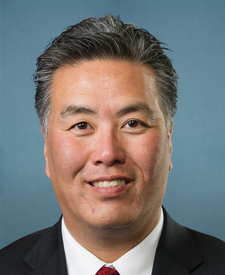
Mr. Takano introduced the following bill; which was referred to …
Stakeholder Effects
cui bono?How this legislation distributes effects. Mention counts reflect frequency, not effect magnitude.
Minor children of deceased veterans, Minority and women veteran survivors, Surviving dependents of veterans
Department of Veterans Affairs, Veterans Benefits Administration
Bill Structure & Actor Mappings
Who is "The Secretary" in each section?
- "the_secretary"
- → Secretary of Veterans Affairs
- "the_under_secretary"
- → Under Secretary for Benefits (VA)
Key Definitions
Terms defined in this bill
A surviving spouse, child, or parent of a veteran.
A veteran or an individual who served in the uniformed services.
Includes age, race, ethnicity, tribal affiliation, geographic location, and for survivors, the cause of death of the applicable veteran.
We use a combination of our own taxonomy and classification in addition to large language models to assess meaning and potential beneficiaries. High confidence means strong textual evidence. Always verify with the original bill text.
Learn more about our methodology