Shutdown Fairness Act
Summary
What This Bill Does
The Shutdown Fairness Act creates automatic funding during any lapse in regular appropriations beginning in fiscal year 2026. It covers employees of executive, legislative, and judicial agencies, District of Columbia public employer elements, active-duty Armed Forces members, reserve component members performing active service or inactive duty training, and employees who were furloughed, excepted, emergency workers, already employed, hired, enlisted, or appointed before the lapse began. Covered contractors are contractors that support agency employees and must perform during the lapse because the agency head determines an obligation is legally permissible. During a lapse, the bill appropriates such sums as necessary from Treasury funds not otherwise appropriated for standard employee compensation and contractor payments. For an ongoing lapse on enactment, pay is due as soon as practicable and no later than seven days; future lapses use regular pay dates. The authority ends when regular or continuing appropriations are enacted, spending is charged back to later appropriations, and funds may be used only for covered pay or contractor payments.
Who Benefits and How
Federal employees, furloughed workers, excepted workers, emergency workers, active-duty service members, reserve members, covered contractor employees, and District of Columbia public employees benefit because pay continues during shutdowns instead of waiting for back pay. Agencies benefit from clearer authority to keep required support contractors paid for work they must perform.
Who Bears the Burden and How
Agency heads, payroll offices, contracting officers, appropriations staff, and Treasury payment systems must identify covered employees and contractors, issue payments within seven days or on regular pay dates, prevent duplicate payments, track later charge-backs to enacted appropriations, and ensure funds are not transferred or reprogrammed for other purposes. Federal taxpayers fund compensation and contractor payments during lapses before normal appropriations are enacted.
Key Provisions
- Appropriates such sums as necessary for covered employee compensation during appropriations lapses.
- Provides shutdown pay for active-duty Armed Forces members and reserve component members performing covered service.
- Provides payment for covered contractors required to work during a lapse under legally permissible obligations.
- Requires payment within seven days for an ongoing lapse on enactment and regular pay dates for later lapses.
- Limits funds to covered compensation and contractor payments and requires later charge-back to enacted appropriations.
Evidence Chain:
This summary is generated from the full bill text using AI analysis. Expand "Detailed Analysis" below for identified beneficiaries/burden bearers with clause-level evidence links.
At a Glance
What This Bill Does
Appropriates such sums as necessary during government shutdowns to pay covered federal employees, active-duty and reserve members, District of Columbia public employer elements, and covered contractors required to work during appropriations lapses.
Key Policy Areas
Government, Defense, Labor
Primary Purpose
Appropriates such sums as necessary during government shutdowns to pay covered federal employees, active-duty and reserve members, District of Columbia public employer elements, and covered contractors required to work during appropriations lapses.
Policy Domains
Substantive provisions
Identified Gains
- Federal employees
- Furloughed workers
- Active-duty service members
- Reserve component members
- Covered contractor employees
- District of Columbia public employees
Identified Costs
- Agency payroll offices
- Agency heads
- Contracting officers
- Appropriations staff
- Treasury payment systems
- Federal taxpayers
Sponsors

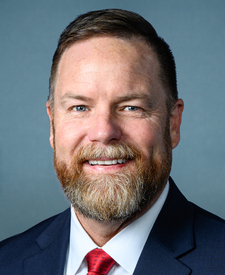
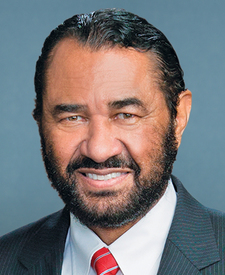


Legislative Progress
In CommitteeReferred to the Committee on Appropriations, and in addition to …
Introduced in House
Mr. Johnson of South Dakota (for himself, Mr. Gottheimer, Mr. …
Stakeholder Effects
cui bono?How this legislation distributes effects. Mention counts reflect frequency, not effect magnitude.
Agency payroll offices, Federal employees
Positive-direction: Federal employees
Negative-direction: Agency payroll offices
Active-duty service members, Reserve component members
Bill Structure & Actor Mappings
Who is "The Secretary" in each section?
We use a combination of our own taxonomy and classification in addition to large language models to assess meaning and potential beneficiaries. High confidence means strong textual evidence. Always verify with the original bill text.
Learn more about our methodology