Prevent Illegal Gun Resales Act
Summary
What This Bill Does
The Prevent Illegal Gun Resales Act increases federal firearms license fees, including raising many manufacturer, importer, and dealer fees to $2,000 and doubling other listed fees. Dealer applicants must certify secure gun storage availability, submit firearms business practices, policies, and procedures, and receive Attorney General approval that those procedures comply with new anti-trafficking regulations. The Attorney General must issue regulations requiring dealer practices to prevent diversion from lawful commerce and straw purchases, and may impose civil penalties up to $5,000 or suspend licenses for noncompliance. Dealers must respond to trace requests within 24 hours, maintain three years of crime-gun trace request records, review those records before transfers, report sales to unlicensed people when a crime gun has been traced to that buyer, update procedures after five lost or stolen firearms or five crime guns traced in a 12-month period, keep records of compliance costs, and face prioritized inspections. The bill changes licensee-only rule violations from willful to knowing. It rewrites 18 U.S.C. 933 to criminalize trafficking two or more firearms with knowledge or reasonable cause to believe the use, possession, or receipt would be a felony, bars licensee-to-licensee transfers when warning signs show crime traces, inadequate security, missing records, or failure to update practices, creates affirmative defenses, sets up to 15 years imprisonment for trafficking, and adds licensee civil penalties, disgorgement, suspension, or revocation. High-risk dealers must adopt electronic records, give National Tracing Center access, record firearm transactions on audio and video for 360 days, retain trace-related recordings longer, and face at least biennial inspections until they fix practices and pass two clean inspections.
Who Benefits and How
Communities affected by gun trafficking, law enforcement investigators, ATF inspectors, the National Tracing Center, state police, local law enforcement agencies, and victims of gun crime benefit from stronger trace records, faster responses, anti-trafficking practices, dealer reporting, higher-risk dealer oversight, and tougher trafficking penalties. Responsible firearm dealers benefit if competitors with poor controls face more scrutiny.
Who Bears the Burden and How
Licensed firearm dealers, manufacturers, importers, high-risk dealers, gun stores with trace histories, dealer compliance officers, firearm purchasers, ATF staff, National Tracing Center staff, state police, and local agencies face higher fees, recordkeeping, 24-hour trace response, audio-video recording, electronic records, inspection, reporting, policy-update, penalty, suspension, and revocation burdens.
Key Provisions
- Raises federal firearms licensing fees for manufacturers, importers, dealers, collectors, and related licensees.
- Requires dealer applicants to submit Attorney General-approved anti-trafficking business practices, policies, and procedures.
- Requires 24-hour crime-gun trace responses, three-year trace record retention, buyer trace review, and same-day reports for sales to traced unlicensed buyers.
- Changes licensee-only rule violations from willful to knowing.
- Rewrites firearms trafficking crimes, licensee transfer restrictions, affirmative defenses, prison terms, civil penalties, disgorgement, suspension, and revocation.
- Requires high-risk dealers to adopt electronic records, provide National Tracing Center access, record transactions, retain recordings, and undergo regular inspections.
Evidence Chain:
This summary is generated from the full bill text using AI analysis. Expand "Detailed Analysis" below for identified beneficiaries/burden bearers with clause-level evidence links.
At a Glance
What This Bill Does
Raises federal firearms licensing fees, requires dealer anti-trafficking practices approved by the Attorney General, expands crime-gun trace record duties, lowers the mens rea for licensee-only rule violations from willful to knowing, rewrites firearms trafficking crimes and penalties, and creates enhanced regulation for high-risk dealers.
Key Policy Areas
Law Enforcement, Retail, Government
Primary Purpose
Raises federal firearms licensing fees, requires dealer anti-trafficking practices approved by the Attorney General, expands crime-gun trace record duties, lowers the mens rea for licensee-only rule violations from willful to knowing, rewrites firearms trafficking crimes and penalties, and creates enhanced regulation for high-risk dealers.
Policy Domains
Substantive provisions
Identified Gains
- Communities affected by gun trafficking
- Law enforcement investigators
- ATF inspectors
- National Tracing Center staff
- State police
- Local law enforcement agencies
- Responsible firearm dealers
Identified Costs
- Licensed firearm dealers
- High-risk firearm dealers
- Firearm manufacturers
- Firearm importers
- Gun store compliance officers
- Firearm purchasers
- ATF staff
Sponsors
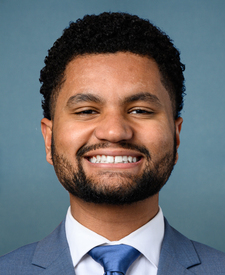
Legislative Progress
In CommitteeReferred to the House Committee on the Judiciary.
Introduced in House
Mr. Frost introduced the following bill; which was referred to …
Stakeholder Effects
cui bono?How this legislation distributes effects. Mention counts reflect frequency, not effect magnitude.
High-risk firearm dealers, Licensed firearm dealers
ATF staff, National Tracing Center staff
Positive-direction: National Tracing Center staff
Negative-direction: ATF staff
Bill Structure & Actor Mappings
Who is "The Secretary" in each section?
We use a combination of our own taxonomy and classification in addition to large language models to assess meaning and potential beneficiaries. High confidence means strong textual evidence. Always verify with the original bill text.
Learn more about our methodology