Realigning Mobile Phone Biometrics for American Privacy Protection Act
Summary
What This Bill Does
The Realigning Mobile Phone Biometrics for American Privacy Protection Act limits DHS mobile facial-recognition and biometric applications. Within 30 days, the Secretary of Homeland Security must develop standards and guidelines that prohibit DHS and its components from using Mobile Fortify, Mobile Identify, or successor applications except for identification at ports of entry. DHS may not share those applications with any other federal, state, local, tribal, or territorial agency. DHS must remove the applications from department and component information technology except for authorized port-of-entry use and remotely render inoperable copies downloaded on non-DHS information technology. It must immediately destroy any image, photograph, or fingerprint of a U.S. citizen captured before the standards are implemented, wherever stored, except as provided for port-of-entry use. For U.S.-citizen biometrics captured for authorized identification at ports of entry, DHS must destroy the image, photograph, or fingerprint within 12 hours.
Who Benefits and How
U.S. citizens whose biometrics were captured by DHS mobile apps, privacy advocates, civil-rights groups, state and local agencies concerned about biometric sharing, and port-of-entry travelers benefit from limits on mobile facial-recognition use, sharing, and retention. DHS privacy officers benefit from clear destruction deadlines and application-removal requirements.
Who Bears the Burden and How
DHS components, CBP officers, ICE officers, mobile-device administrators, biometric system owners, state and local agencies that received the apps, and IT security teams must remove applications, disable unauthorized copies, rewrite standards, document port-of-entry exceptions, and destroy stored U.S.-citizen images, photographs, and fingerprints within short deadlines.
Key Provisions
- Requires DHS standards within 30 days restricting Mobile Fortify, Mobile Identify, and successor applications to port-of-entry identification.
- Prohibits DHS from sharing those applications with other federal, state, local, tribal, or territorial agencies.
- Requires removal from DHS information technology except for authorized port-of-entry use.
- Requires DHS to remotely disable copies downloaded on non-DHS information technology.
- Requires immediate destruction of U.S.-citizen biometrics captured before implementation and 12-hour destruction for authorized port-of-entry captures.
Evidence Chain:
This summary is generated from the full bill text using AI analysis. Expand "Detailed Analysis" below for identified beneficiaries/burden bearers with clause-level evidence links.
At a Glance
What This Bill Does
Requires DHS within 30 days to restrict Mobile Fortify, Mobile Identify, and successor facial-recognition applications to ports of entry, stop sharing them with other agencies, remove or disable nonauthorized copies, and destroy U.S.-citizen images, photographs, or fingerprints immediately or within 12 hours depending on capture timing.
Key Policy Areas
Technology, Civil Rights, Law Enforcement
Primary Purpose
Requires DHS within 30 days to restrict Mobile Fortify, Mobile Identify, and successor facial-recognition applications to ports of entry, stop sharing them with other agencies, remove or disable nonauthorized copies, and destroy U.S.-citizen images, photographs, or fingerprints immediately or within 12 hours depending on capture timing.
Policy Domains
Substantive provisions
Identified Gains
- U.S. citizens with captured biometrics
- Privacy advocates
- Civil rights groups
- Port-of-entry travelers
- DHS privacy officers
Identified Costs
- DHS components
- CBP officers
- ICE officers
- Mobile-device administrators
- Biometric system owners
- State agencies using DHS apps
- Local agencies using DHS apps
Sponsors

Legislative Progress
In CommitteeReferred to the Subcommittee on Border Security and Enforcement.
Referred to the House Committee on Homeland Security.
Introduced in House
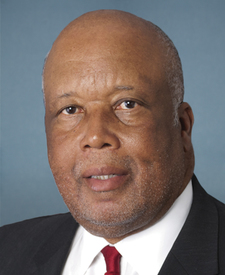
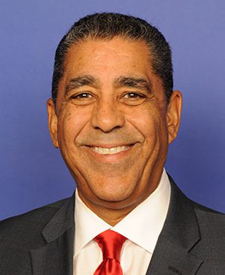
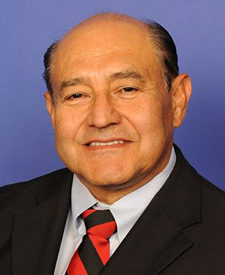
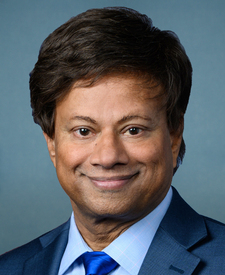
Mr. Thompson of Mississippi (for himself, Mr. Correa, Mr. Thanedar, …
Stakeholder Effects
cui bono?How this legislation distributes effects. Mention counts reflect frequency, not effect magnitude.
Bill Structure & Actor Mappings
Who is "The Secretary" in each section?
We use a combination of our own taxonomy and classification in addition to large language models to assess meaning and potential beneficiaries. High confidence means strong textual evidence. Always verify with the original bill text.
Learn more about our methodology