Fast Track To and Through College Act
Summary
What This Bill Does
The Fast Track To and Through College Act adds a new Higher Education Act subpart focused on accelerating time to degree. It defines early college fast track pathways as high-school sequences of AP, IB, dual or concurrent enrollment, early-college, or CTE coursework that add up to at least two semesters of postsecondary credit and satisfy high-school diploma requirements. Competitive five-year grants go to state partnerships that include the state education agency, the public higher education system or all public institutions, and local educational agencies including at least one high-need LEA. Governors must apply with state leaders and show early graduation policies, statewide credit criteria, remedial placement standards, universal articulation agreements, student eligibility rules, implementation timelines, counseling, outreach, and accountability measures. Funds support advanced coursework, online course systems, early college high schools, advising, early warning systems, transportation, faculty training, incentives, and early graduation scholarships. High school students in approved early college pathways can receive Pell Grants beginning July 1, 2026 for up to two semesters without using their normal 12-semester Pell lifetime limit, capped at tuition, fees, books, and supplies. The bill requires an independent evaluation by September 30, 2028 with interim reports, supplement-not-supplant protection, maintenance of state effort for advanced coursework, possible two-year waivers for uncontrollable circumstances, withholding for violations, and authorization of such sums for fiscal year 2026 and the four following years.
Who Benefits and How
High school students, first-generation college students, low-income students, historically underrepresented students, CTE students, community college students, public colleges, high-need local educational agencies, and families facing college costs benefit because the bill funds pathways that can bank a year of college credit, reduce remediation, improve transfer, and lower time-to-degree costs. State education agencies and higher education systems benefit from federal grants, technical assistance, and support for articulation and statewide alignment.
Who Bears the Burden and How
State education agencies, governors, state higher education executive officers, local educational agencies, public colleges, private nonprofit colleges that opt into articulation, Education Department staff, Institute of Education Sciences evaluators, financial-aid offices, and state budget officials must build partnerships, sign applications, align diploma and college placement rules, maintain advanced-coursework spending, administer Pell for high school students, report outcomes, and risk grant withholding if maintenance-of-effort rules are violated.
Key Provisions
- Creates a Higher Education Act subpart for accelerating time to degree through high-school and postsecondary alignment.
- Defines early college fast track pathways, early high school graduation pathways, eligible entities, high-need LEAs, and historically underrepresented students.
- Authorizes five-year competitive grants to state partnerships for statewide early college, early graduation, transfer, and credit-alignment systems.
- Funds advanced coursework costs, online course systems, early college high schools, advising, transportation, faculty training, and early graduation scholarships.
- Provides limited Pell Grants for eligible high school students in early college fast track pathways without counting up to two semesters against lifetime Pell eligibility.
- Requires independent evaluation, supplement-not-supplant rules, maintenance of state effort, technical assistance, and such sums for fiscal years 2026 through 2030.
Evidence Chain:
This summary is generated from the full bill text using AI analysis. Expand "Detailed Analysis" below for identified beneficiaries/burden bearers with clause-level evidence links.
At a Glance
What This Bill Does
Creates a five-year Higher Education Act grant program to help states align high school and college, build early college and early graduation fast-track pathways, expand transfer guarantees, fund advanced coursework and advising, provide limited Pell Grants for high school students in pathways, evaluate outcomes, maintain state effort, and authorize such sums for fiscal years 2026 through 2030.
Key Policy Areas
Education, Labor, State & Local Government
Primary Purpose
Creates a five-year Higher Education Act grant program to help states align high school and college, build early college and early graduation fast-track pathways, expand transfer guarantees, fund advanced coursework and advising, provide limited Pell Grants for high school students in pathways, evaluate outcomes, maintain state effort, and authorize such sums for fiscal years 2026 through 2030.
Policy Domains
Substantive provisions
Identified Gains
- High school students
- First-generation college students
- Low-income students
- Historically underrepresented students
- CTE students
- Community college students
- High-need local educational agencies
Identified Costs
- State education agencies
- Governors
- State higher education executive officers
- Local educational agencies
- Public colleges
- Education Department staff
- Financial-aid offices
- State budget officials
Sponsors


Legislative Progress
In CommitteeReferred to the House Committee on Education and Workforce.
Introduced in House
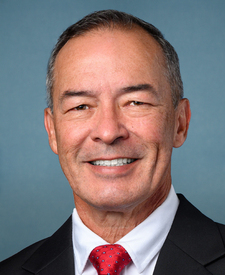
Mr. Olszewski (for himself and Mr. Moylan) introduced the following …
Stakeholder Effects
cui bono?How this legislation distributes effects. Mention counts reflect frequency, not effect magnitude.
CTE students, Faculty teaching advanced courses, Financial-aid offices
Local educational agencies, Public colleges face effects in multiple directions
Positive-direction: CTE students, Faculty teaching advanced courses, Financial-aid offices, First-generation college students, High school students, High school students in early college pathways, High-need local educational agencies, Historically underrepresented students, Low-income students, Students pursuing college credit
Negative-direction: Public institutions of higher education, State higher education executive officers, State higher education systems
Governors, State budget officials, State education agencies
State education agencies faces effects in multiple directions
Positive-direction: State grant applicants
Negative-direction: Governors, State budget officials
Congressional education committees, Education Department Pell staff, Education Department grant officers
Positive-direction: Congressional education committees, Education Department Pell staff, Education Department grant programs
Negative-direction: Education Department grant officers, Education Department staff, Federal grant monitors
Federal Pell Grant program, Taxpayers
Positive-direction: Federal Pell Grant program
Negative-direction: Taxpayers
Institute of Education Sciences staff, Third-party education evaluators
Positive-direction: Third-party education evaluators
Negative-direction: Institute of Education Sciences staff
Bill Structure & Actor Mappings
Who is "The Secretary" in each section?
We use a combination of our own taxonomy and classification in addition to large language models to assess meaning and potential beneficiaries. High confidence means strong textual evidence. Always verify with the original bill text.
Learn more about our methodology