No Bounties on Badges Act
Summary
What This Bill Does
The No Bounties on Badges Act amends title 18 reward authority for espionage and related matters. It changes the chapter heading to include the offering of bounties and adds a new authority allowing the Attorney General to reward any individual who provides information about offers of a bounty, money, or other pecuniary compensation for harming or killing a federal law enforcement officer. Rewards may be paid when information leads to arrest or conviction anywhere in the world for committing the act, conspiring or attempting to commit the act, or when information leads to prevention or frustration of the act. The bill also updates the title 18 table of chapters.
Who Benefits and How
Federal law enforcement officers, informants, witnesses, U.S. Marshals, FBI agents, federal prosecutors, and law enforcement families benefit because DOJ could offer rewards to surface information about bounty plots before officers are harmed. The Attorney General benefits from explicit reward authority covering prevention, frustration, arrest, and conviction.
Who Bears the Burden and How
People offering bounties against federal officers, conspirators, and attempted offenders face increased detection and prosecution risk. DOJ reward administrators, federal prosecutors, investigators, and appropriations managers must assess tips, verify eligibility, protect informants, document reward decisions, and administer payments.
Key Provisions
- Authorizes Attorney General rewards for information about bounties to harm or kill federal law enforcement officers.
- Extends reward eligibility to information leading to arrests or convictions in any country.
- Extends reward eligibility to conspiracies, attempts, prevention, and frustration of bounty plots.
- Amends the title 18 chapter heading and table of chapters to include offering bounties.
Evidence Chain:
This summary is generated from the full bill text using AI analysis. Expand "Detailed Analysis" below for identified beneficiaries/burden bearers with clause-level evidence links.
At a Glance
What This Bill Does
Authorizes the Attorney General to reward people who provide information leading to the arrest, conviction, prevention, or frustration of offers of bounties or other payment for harming or killing federal law enforcement officers.
Key Policy Areas
Law Enforcement, Government
Primary Purpose
Authorizes the Attorney General to reward people who provide information leading to the arrest, conviction, prevention, or frustration of offers of bounties or other payment for harming or killing federal law enforcement officers.
Policy Domains
Substantive provisions
Identified Gains
- Federal law enforcement officers
- Informants
- Witnesses
- U.S. Marshals
- FBI agents
- Federal prosecutors
Identified Costs
- People offering bounties
- Conspirators against federal officers
- DOJ reward administrators
- Investigators
- Appropriations managers
Sponsors


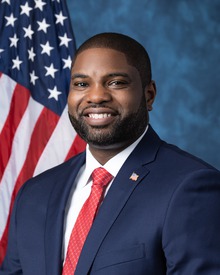


Legislative Progress
In CommitteeReferred to the House Committee on the Judiciary.
Introduced in House
Mr. Moore of North Carolina (for himself, Mr. Ezell, Mr. …
Stakeholder Effects
cui bono?How this legislation distributes effects. Mention counts reflect frequency, not effect magnitude.
Federal law enforcement officers, Federal prosecutors, Investigators
Positive-direction: Federal law enforcement officers, Federal prosecutors
Negative-direction: Investigators
Informants, People offering bounties
Positive-direction: Informants
Negative-direction: People offering bounties
Bill Structure & Actor Mappings
Who is "The Secretary" in each section?
We use a combination of our own taxonomy and classification in addition to large language models to assess meaning and potential beneficiaries. High confidence means strong textual evidence. Always verify with the original bill text.
Learn more about our methodology