Improving Emerging Tech Opportunities for Veterans Act
Summary
What This Bill Does
The Improving Emerging Tech Opportunities for Veterans Act requires the Secretary of Veterans Affairs, working with private-sector employers, educational institutions, and nonprofits, to identify industries and positions with high employment and growth potential because of emerging technologies. It also requires VA to identify courses of education that help veterans gain the education, training, or skills for those industries and positions.
VA must put those emerging technologies, courses, industries, and positions prominently into the Transition Assistance Program and on the VA website. Within 90 days, VA must establish an expedited approval process for identified education courses under chapters 34, 35, and 36 of title 38. The Secretary of Veterans Affairs, in consultation with the Secretary of Labor, must determine which critical technologies count as emerging technologies, with artificial intelligence and semiconductor manufacturing given as examples.
The bill also amends VA's high technology program so it covers high technology or emerging technology. It requires program criteria to identify technologies of critical importance, such as artificial intelligence and semiconductor manufacturing, and updates related statutory references. The goal is to steer veterans toward approved training connected to high-growth emerging technology jobs.
Who Benefits and How
Veterans seeking technology training benefit because VA must identify relevant courses, display them in transition resources, and expedite course approval. Veterans leaving military service benefit because the Transition Assistance Program will surface emerging-technology industries and positions. Training providers offering artificial intelligence, semiconductor manufacturing, or similar programs benefit from an expedited approval path. Employers in emerging technology industries benefit from a veteran talent pipeline targeted to high-growth occupations. VA high-technology program participants benefit because the program expressly includes emerging technology.
Who Bears the Burden and How
VA education and transition-assistance staff must identify industries, positions, courses, website content, and TAP materials and stand up the expedited approval process within 90 days. The Secretary of Labor must consult on which technologies are critical enough to qualify. Training providers must submit courses for approval and meet VA criteria. Private employers, educational institutions, and nonprofits serving as critical stakeholders may need to advise VA on occupations and training quality. State approving agencies may need to process or coordinate accelerated course approvals.
Key Provisions
- Requires VA to identify emerging-technology industries and positions with high veteran employment potential.
- Requires VA to identify education courses that prepare veterans for those industries and positions.
- Requires VA to include emerging-technology information in TAP and on VA websites.
- Requires an expedited course-approval process within 90 days.
- Expands VA's high-technology program to include emerging technology.
- Requires criteria identifying critical technologies such as artificial intelligence and semiconductor manufacturing.
- Provides that the section terminates on September 30, 2031.
Evidence Chain:
This summary is generated from the full bill text using AI analysis. Expand "Detailed Analysis" below for identified beneficiaries/burden bearers with clause-level evidence links.
At a Glance
What This Bill Does
Directs VA to identify emerging-technology industries, positions, and courses for veterans, place them prominently in the Transition Assistance Program and on VA websites, expedite approval of relevant education programs, and expand the VA high-technology program to include emerging technologies such as artificial intelligence and semiconductor manufacturing.
Key Policy Areas
Veterans Education, Workforce Training, Emerging Technology, Semiconductors
Primary Purpose
Directs VA to identify emerging-technology industries, positions, and courses for veterans, place them prominently in the Transition Assistance Program and on VA websites, expedite approval of relevant education programs, and expand the VA high-technology program to include emerging technologies such as artificial intelligence and semiconductor manufacturing.
Policy Domains
House resolution provisions
Identified Gains
- Veterans seeking technology training
- Veterans leaving military service
- Training providers offering emerging-technology programs
- Employers in emerging technology industries
- VA high-technology program participants
Identified Costs
- VA education and transition-assistance staff
- Secretary of Labor
- Training providers
- Private employers
- Educational institutions
- State approving agencies
Sponsors

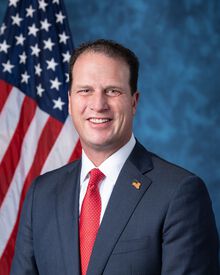



Legislative Progress
ReportedOrdered to be Reported in the Nature of a Substitute …
Committee Consideration and Mark-up Session Held
Forwarded by Subcommittee to Full Committee in the Nature of …
Subcommittee Consideration and Mark-up Session Held
Referred to the Subcommittee on Economic Opportunity.
Mr. Hamadeh of Arizona introduced the following bill; which was …
Referred to the Committee on Veterans' Affairs, and in addition …
Introduced in House
Stakeholder Effects
cui bono?How this legislation distributes effects. Mention counts reflect frequency, not effect magnitude.
Education providers offering technology programs, State approving agencies, Training providers offering emerging-technology programs
Positive-direction: Education providers offering technology programs, Training providers offering emerging-technology programs, Veterans seeking emerging-technology training, Veterans using VA technology training benefits
Negative-direction: State approving agencies
Artificial intelligence training programs, Emerging technology employers, Semiconductor manufacturing training programs
VA education and transition staff, VA high-technology program administrators
Bill Structure & Actor Mappings
Who is "The Secretary" in each section?
- "secretary_va"
- → Secretary of Veterans Affairs
- "secretary_labor"
- → Secretary of Labor
We use a combination of our own taxonomy and classification in addition to large language models to assess meaning and potential beneficiaries. High confidence means strong textual evidence. Always verify with the original bill text.
Learn more about our methodology