Sikh American Anti-Discrimination Act of 2026
Summary
What This Bill Does
The Sikh American Anti-Discrimination Act of 2026 responds to findings about anti-Sikh hate crimes, harassment, religious discrimination, underreported hate-crime data, and transnational repression. Within 180 days, the Attorney General must establish a DOJ Task Force on Anti-Sikh Hate and Discrimination. The Task Force must draft a DOJ definition of anti-Sikh hate and discrimination to assist prosecutorial decision-making and statistics collection under 18 U.S.C. 249. It must also develop an educational program for local and federal law enforcement agencies, elementary and secondary schools, and institutions of higher education on Sikh identity and identifying anti-Sikh hate and discrimination. The Task Force must report annually to the House and Senate Judiciary Committees on hate crimes against Sikh victims, actions against perpetrators, ongoing threats and trends including transnational repression, and DOJ efforts. Every five years it must summarize the annual reports, public materials must be translated into Punjabi, and the Task Force must meet quarterly with Sikh community members and Sikh organizations.
Who Benefits and How
Sikh Americans, Sikh houses of worship, Sikh advocacy organizations, local law enforcement agencies, federal prosecutors, schools, colleges, and hate-crime data analysts benefit from a dedicated DOJ structure, a working definition, education materials, Punjabi-language resources, and recurring community consultation. Victims of anti-Sikh violence and threats benefit from more focused statistics and prosecutorial guidance.
Who Bears the Burden and How
The Department of Justice, FBI hate-crime staff, civil rights prosecutors, education agencies, law enforcement training units, and the Task Force must draft definitions, produce educational materials, translate resources, meet quarterly with community organizations, collect data, and prepare annual and five-year reports. Foreign-government-linked threat monitoring may require coordination with national-security and transnational-repression investigators.
Key Provisions
- Requires the Attorney General to establish a DOJ Task Force on Anti-Sikh Hate and Discrimination within 180 days.
- Requires the Task Force to draft a DOJ definition of anti-Sikh hate and discrimination for prosecutions and hate-crime statistics.
- Requires educational programming for law enforcement agencies, elementary and secondary schools, and institutions of higher education.
- Requires annual reports to the House and Senate Judiciary Committees on Sikh hate crimes, enforcement actions, threats, trends, and DOJ efforts.
- Requires Punjabi translation of public Task Force resources and quarterly meetings with Sikh community members and organizations.
Evidence Chain:
This summary is generated from the full bill text using AI analysis. Expand "Detailed Analysis" below for identified beneficiaries/burden bearers with clause-level evidence links.
At a Glance
What This Bill Does
Creates a Department of Justice Task Force on Anti-Sikh Hate and Discrimination to define anti-Sikh hate for DOJ use, create educational materials, report on hate crimes and threats, translate public resources into Punjabi, and meet quarterly with Sikh community organizations.
Key Policy Areas
Civil Rights, Law Enforcement, Education
Primary Purpose
Creates a Department of Justice Task Force on Anti-Sikh Hate and Discrimination to define anti-Sikh hate for DOJ use, create educational materials, report on hate crimes and threats, translate public resources into Punjabi, and meet quarterly with Sikh community organizations.
Policy Domains
Substantive provisions
Identified Gains
- Sikh Americans
- Sikh houses of worship
- Sikh advocacy organizations
- Federal civil rights prosecutors
- Local law enforcement agencies
- Schools
- Hate-crime data analysts
Identified Costs
- Department of Justice staff
- FBI hate-crime staff
- Law enforcement training units
- Education agencies
- Task Force translators
- Transnational repression investigators
Sponsors


Legislative Progress
In CommitteeReferred to the House Committee on the Judiciary.
Introduced in House
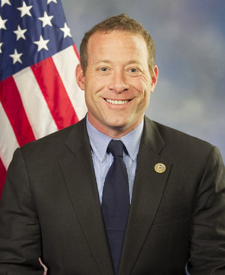
Mr. Gottheimer (for himself and Mr. Valadao) introduced the following …
Stakeholder Effects
cui bono?How this legislation distributes effects. Mention counts reflect frequency, not effect magnitude.
Sikh advocacy organizations, Sikh houses of worship
Federal civil rights prosecutors, Law enforcement training units
Positive-direction: Federal civil rights prosecutors
Negative-direction: Law enforcement training units
Bill Structure & Actor Mappings
Who is "The Secretary" in each section?
We use a combination of our own taxonomy and classification in addition to large language models to assess meaning and potential beneficiaries. High confidence means strong textual evidence. Always verify with the original bill text.
Learn more about our methodology