To direct the Secretary of Veterans Affairs to carry out a pilot program to improve the ability of veterans to access medical care in medical facilities of the Department of Veterans Affairs and in the community by providing the veterans the ability to choose health care providers.
Analysis under review: This bill has generated analysis that may be too generic or incomplete. Clause-level evidence remains available below.
Summary
What This Bill Does
The bill establishes a 3-year pilot program allowing enrolled veterans to choose any health care provider in an expanded VA care system (VA facilities nationwide, community providers under section 1703, and Veterans Care. It relies on exemptions and reporting requirements. The main policy areas are Veterans Affairs and Healthcare.
Who Benefits and How
Veterans enrolled in VA health care system could face fewer barriers, Private hospitals and physicians participating in VA community care could gain revenue opportunities, and Private ambulatory health care services (outpatient) could gain revenue opportunities.
Who Bears the Burden and How
VA administrative staff responsible for care coordination would take on compliance duties.
Key Provisions
- Establishes a 3-year pilot program allowing enrolled veterans to choose any health care provider in an expanded VA care system (VA facilities nationwide, community providers under section 1703, and Veterans Care...
Evidence Chain:
This summary is generated from the full bill text using AI analysis. Expand "Detailed Analysis" below for identified beneficiaries/burden bearers with clause-level evidence links.
At a Glance
What This Bill Does
The bill establishes a 3-year pilot program allowing enrolled veterans to choose any health care provider in an expanded VA care system (VA facilities nationwide, community providers under section 1703, and Veterans Care.
Key Policy Areas
Veterans Affairs, Healthcare
Primary Purpose
The bill establishes a 3-year pilot program allowing enrolled veterans to choose any health care provider in an expanded VA care system (VA facilities nationwide, community providers under section 1703, and Veterans Care.
Policy Domains
Section 1 - Short Title
Identified Gains
- Veterans enrolled in VA health care system
- Private hospitals and physicians participating in VA community care
- Private ambulatory health care services (outpatient)
- VA medical facilities outside veterans' home networks
Identified Costs
- VA administrative staff responsible for care coordination
Sponsors


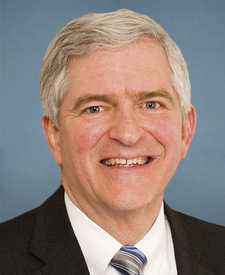
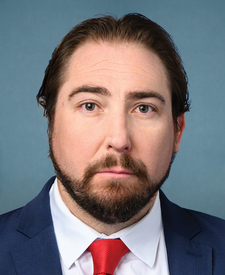
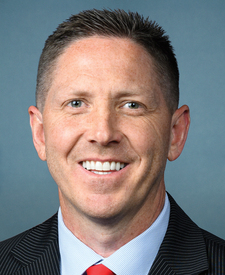
Legislative Progress
IntroducedMr. Biggs of Arizona (for himself, Mr. Crane, Mr. Webster …
Stakeholder Effects
cui bono?How this legislation distributes effects. Mention counts reflect frequency, not effect magnitude.
VA administrative staff responsible for care coordination, Veterans enrolled in VA health care system
Positive-direction: Veterans enrolled in VA health care system
Negative-direction: VA administrative staff responsible for care coordination
Private hospitals and physicians participating in VA community care
Private ambulatory health care services (outpatient)
VA medical facilities outside veterans' home networks
Bill Structure & Actor Mappings
Who is "The Secretary" in each section?
- "the_center"
- → Center for Innovation for Care and Payment (within VA)
- "the_secretary"
- → Secretary of Veterans Affairs
Key Definitions
Terms defined in this bill
Medical facilities of the Department of Veterans Affairs, health care providers specified in 38 USC 1703(c), and eligible entities or providers that have entered into Veterans Care Agreements under 38 USC 1703A
A veteran who is enrolled in the patient enrollment system of the Department of Veterans Affairs under 38 USC 1705
Has the meaning given in 38 USC 1701
We use a combination of our own taxonomy and classification in addition to large language models to assess meaning and potential beneficiaries. High confidence means strong textual evidence. Always verify with the original bill text.
Learn more about our methodology