To direct the Secretary of Veterans Affairs to carry out a pilot program to improve the ability of veterans to access medical care in medical facilities of the Department of Veterans Affairs and in the community by providing the veterans the ability to choose health care providers.
Sponsors


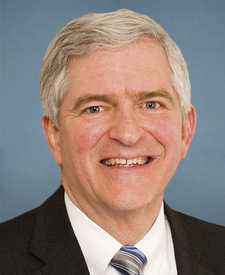
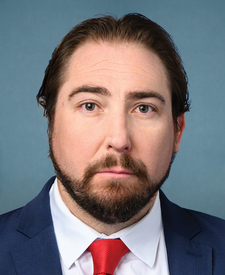
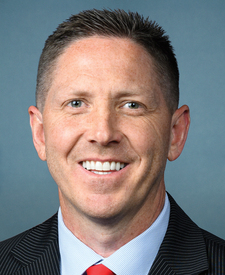
Legislative Progress
IntroducedMr. Biggs of Arizona (for himself, Mr. Crane, Mr. Webster …
Summary
What This Bill Does
The Veterans Health Care Freedom Act creates a pilot program allowing veterans enrolled in VA health care to choose any health care provider within an expanded network, removing current geographic restrictions and eligibility requirements. After a 3-year pilot in at least four regions, the expanded choice provisions become permanent nationwide. The bill requires no additional funding and operates within the existing VA budget.
Who Benefits and How
Veterans enrolled in VA health care benefit by gaining freedom to seek care at any VA facility nationwide (not just their local network) and at private doctors and hospitals without meeting current eligibility barriers. Private hospitals, physicians, and outpatient clinics benefit by receiving more patient referrals from the VA, as veterans can now choose them more easily. VA medical facilities outside veterans' home regions benefit by attracting new patients who previously couldn't access them.
Who Bears the Burden and How
VA administrative staff face increased workload coordinating care across a larger, more complex network of providers, with quarterly and annual reporting requirements to Congress—all without additional funding. The lack of new appropriations means these expanded services must come from the existing VA budget, potentially straining resources. Taxpayers may ultimately bear costs if expanded community care proves more expensive than in-house VA care.
Key Provisions
- Establishes a 3-year pilot program in at least four Veterans Integrated Service Networks covering both rural and urban areas
- Waives geographic restrictions allowing veterans to use any VA facility nationwide, not just their local network
- Removes eligibility requirements for community care under sections 1703 and 1703A, letting veterans access private providers more freely
- Requires veterans to select a primary care provider who coordinates all their care and refers to specialists
- Makes the pilot program's choice provisions permanent after four years by amending existing VA law
- Mandates quarterly reports to Congress during implementation and annual reports during the pilot period
- Prohibits new appropriations, requiring the program to operate within current VA budget
Evidence Chain:
This summary is derived from the structured analysis below. See "Detailed Analysis" for per-title beneficiaries/burden bearers with clause-level evidence links.
Primary Purpose
Establishes a pilot program and permanent policy allowing eligible veterans to choose any health care provider within an expanded VA care system, removing geographic and eligibility restrictions.
Policy Domains
Legislative Strategy
"Expand veteran choice and access to health care by removing bureaucratic barriers while maintaining care coordination through primary care providers; pilot-test approach before permanent implementation"
Likely Beneficiaries
- Veterans enrolled in VA health care (expanded access and choice)
- Private health care providers and hospitals (increased patient referrals from VA)
- VA facilities outside veterans' home networks (expanded patient base)
Likely Burden Bearers
- VA administration (increased coordination complexity, no new funding)
- Taxpayers (potentially higher costs from community care without additional appropriations from existing VA budget)
Bill Structure & Actor Mappings
Who is "The Secretary" in each section?
- "the_center"
- → Center for Innovation for Care and Payment (within VA)
- "the_secretary"
- → Secretary of Veterans Affairs
Key Definitions
Terms defined in this bill
Medical facilities of the Department of Veterans Affairs, health care providers specified in 38 USC 1703(c), and eligible entities or providers that have entered into Veterans Care Agreements under 38 USC 1703A
A veteran who is enrolled in the patient enrollment system of the Department of Veterans Affairs under 38 USC 1705
Has the meaning given in 38 USC 1701
We use a combination of our own taxonomy and classification in addition to large language models to assess meaning and potential beneficiaries. High confidence means strong textual evidence. Always verify with the original bill text.
Learn more about our methodology