PATH to Education Act
Summary
What This Bill Does
The PATH to Education Act adds transit grant authority to 49 U.S.C. 5307 and 5311 for projects that connect students and Head Start families to eligible education sites. Eligible institutions include community colleges, minority-serving institutions, Head Start and Early Head Start agencies operating center-based programs, area career and technical education schools, and rural-serving institutions of higher education. Eligible recipients are public transportation providers partnering with one or more eligible institutions. Grant funds can add bus or rail stops or routes, add complementary paratransit, increase frequency, adjust route times so students can get to class, help Head Start participants and families reach programs, and cover eligible operating costs. Applications must explain how the project improves transit access, and the Secretary must prioritize partnerships with institutions where more than 25 percent of students receive Pell Grants. The bill also sets aside $1 million in fiscal year 2027, $2 million in 2028, $3 million in 2029, $4 million in 2030, and $5 million in 2031 for these grants under rural and urban transit formula programs.
Who Benefits and How
Community college students, Pell Grant recipients, minority-serving institutions, Head Start families, career and technical education students, rural-serving colleges, and public transit agencies benefit because the grants can pay for routes, stops, frequency changes, paratransit, and operating costs that make education sites easier to reach. Low-income students benefit most because the priority favors institutions with more than 25 percent Pell enrollment.
Who Bears the Burden and How
Federal Transit Administration staff, transit agencies, education partners, Head Start agencies, and grant writers must build partnerships, prepare applications, document access improvements, manage operating funds, and report on projects. Other transit formula priorities may face competition because the bill reserves dedicated amounts for PATH grants in fiscal years 2027 through 2031.
Key Provisions
- Adds PATH to Education grant authority for public transportation providers partnering with eligible education institutions.
- Authorizes projects adding bus, rail, and paratransit connections to community colleges, Head Start programs, career schools, minority-serving institutions, and rural-serving colleges.
- Funds route frequency, schedule adjustments, and eligible operating costs that help students and Head Start families reach programs.
- Requires applications to show improved transit access for students and Head Start participants.
- Requires grant priority for partnerships with institutions where more than 25 percent of students receive Pell Grants.
- Reserves $1 million in 2027, $2 million in 2028, $3 million in 2029, $4 million in 2030, and $5 million in 2031 for the program.
Evidence Chain:
This summary is generated from the full bill text using AI analysis. Expand "Detailed Analysis" below for identified beneficiaries/burden bearers with clause-level evidence links.
At a Glance
What This Bill Does
Creates PATH to Education public-transit grants for transit providers partnering with community colleges, minority-serving institutions, Head Start agencies, career and technical education schools, and rural-serving colleges, with escalating fiscal year 2027-2031 set-asides.
Key Policy Areas
Transportation, Education, Social Services
Primary Purpose
Creates PATH to Education public-transit grants for transit providers partnering with community colleges, minority-serving institutions, Head Start agencies, career and technical education schools, and rural-serving colleges, with escalating fiscal year 2027-2031 set-asides.
Policy Domains
Substantive provisions
Identified Gains
- Community college students
- Pell Grant recipients
- Minority-serving institutions
- Head Start families
- Career and technical education students
- Rural-serving colleges
- Public transit agencies
Identified Costs
- Federal Transit Administration staff
- Transit agency grant teams
- Education institution partners
- Head Start agencies
- Other transit formula priorities
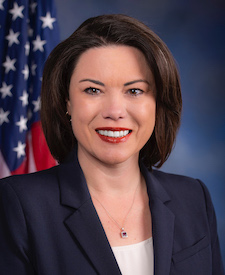
Sponsors




Legislative Progress
In CommitteeReferred to the Subcommittee on Highways and Transit.
Referred to the House Committee on Transportation and Infrastructure.
Introduced in House
Ms. Goodlander (for herself, Mr. Van Drew, Ms. Wilson of …
Stakeholder Effects
cui bono?How this legislation distributes effects. Mention counts reflect frequency, not effect magnitude.
Community college students, Minority-serving institutions, Pell Grant recipients
Public transit agencies, Transit agency grant teams
Positive-direction: Public transit agencies
Negative-direction: Transit agency grant teams
Bill Structure & Actor Mappings
Who is "The Secretary" in each section?
We use a combination of our own taxonomy and classification in addition to large language models to assess meaning and potential beneficiaries. High confidence means strong textual evidence. Always verify with the original bill text.
Learn more about our methodology