Ensuring Seniors’ Access to Quality Care Act
Summary
What This Bill Does
The Ensuring Seniors' Access to Quality Care Act amends the Medicare skilled nursing facility and Medicaid nursing facility nurse aide training approval rules in Social Security Act sections 1819 and 1919. Current law can bar approval of a facility's nurse aide training and competency evaluation program after certain enforcement actions. The bill rewrites the disqualification trigger so a facility is barred based on a civil money penalty only when the penalty is at least $12,924 and the facility was cited for a deficiency relating to quality of care provided to residents. It also preserves disqualification when the facility was subject to specified remedies, including temporary management, denial of payment, termination, or related enforcement remedies cross-referenced in Medicare and Medicaid law. The practical effect is to let more facilities operate training programs after lower-level penalties that are not tied to quality-of-care deficiencies.
Who Benefits and How
Skilled nursing facilities, Medicaid nursing facilities, nurse aide trainees, nursing home workforce programs, long-term care residents facing staffing shortages, and facility operators benefit because more facilities may remain eligible to run nurse aide training programs after less serious enforcement history. State survey agencies and CMS benefit from a more specific threshold that distinguishes quality-of-care penalties from other citations.
Who Bears the Burden and How
Residents and family advocates may face risk if facilities with some enforcement history continue training aides. CMS staff, state survey agencies, nursing facility compliance officers, and training program administrators must apply the new $12,924 threshold, determine whether a cited deficiency relates to resident quality of care, track specified remedies, and update approval decisions for Medicare and Medicaid nurse aide training programs.
Key Provisions
- Amends Medicare skilled nursing facility nurse aide training approval rules.
- Amends Medicaid nursing facility nurse aide training approval rules.
- Requires civil-money-penalty disqualification to involve at least $12,924 plus a quality-of-care deficiency.
- Preserves disqualification for specified enforcement remedies such as temporary management, denial of payment, or termination-related remedies.
- Removes the broader cross-reference that disqualified facilities based on lower or unrelated penalties.
Evidence Chain:
This summary is generated from the full bill text using AI analysis. Expand "Detailed Analysis" below for identified beneficiaries/burden bearers with clause-level evidence links.
At a Glance
What This Bill Does
Narrows when Medicare and Medicaid nursing facilities lose approval for nurse aide training programs by tying civil-money-penalty disqualification to penalties of at least $12,924 plus a quality-of-care deficiency, while preserving disqualification for specified remedies.
Key Policy Areas
Healthcare, Social Services, Labor
Primary Purpose
Narrows when Medicare and Medicaid nursing facilities lose approval for nurse aide training programs by tying civil-money-penalty disqualification to penalties of at least $12,924 plus a quality-of-care deficiency, while preserving disqualification for specified remedies.
Policy Domains
Substantive provisions
Identified Gains
- Skilled nursing facilities
- Medicaid nursing facilities
- Nurse aide trainees
- Nursing home workforce programs
- Long-term care residents facing staffing shortages
- CMS policy staff
Identified Costs
- Residents in facilities with enforcement history
- Family advocates
- CMS survey staff
- State survey agencies
- Nursing facility compliance officers
- Training program administrators
Sponsors




Legislative Progress
In CommitteeReferred to the Committee on Ways and Means, and in …
Introduced in House
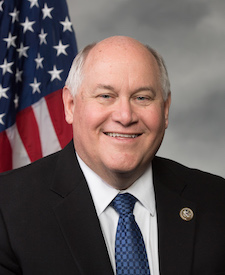
Mr. Estes (for himself and Mr. Harder of California) introduced …
Stakeholder Effects
cui bono?How this legislation distributes effects. Mention counts reflect frequency, not effect magnitude.
Medicaid nursing facilities, Skilled nursing facilities
Long-term care residents facing staffing shortages, Residents in facilities with enforcement history
Positive-direction: Long-term care residents facing staffing shortages
Negative-direction: Residents in facilities with enforcement history
Bill Structure & Actor Mappings
Who is "The Secretary" in each section?
We use a combination of our own taxonomy and classification in addition to large language models to assess meaning and potential beneficiaries. High confidence means strong textual evidence. Always verify with the original bill text.
Learn more about our methodology