Ending Importation of Laundered Russian Oil Act
Summary
What This Bill Does
The Ending Importation of Laundered Russian Oil Act amends the 2022 Ending Importation of Russian Oil Act to address refined energy products made outside Russia with Russian-origin crude. The bill adds a new prohibition on importing into the United States all Harmonized Tariff Schedule chapter 27 products produced at any refinery that uses crude oil originating in the Russian Federation. It redesignates the existing section 3 of the 2022 law as section 4 and updates the waiver and termination provisions so they also refer to the new refinery-based prohibition. A duplicate section states the same chapter 27 refinery-use ban directly.
Who Benefits and How
Ukraine policy advocates, sanctions enforcement agencies, U.S. refiners that do not use Russian crude, and energy producers competing with Russian crude benefit because the bill closes a route for Russian-origin oil to enter the United States after refining in a third country. Members of Congress benefit from a clearer import rule that follows the origin of crude oil rather than only the location of refining.
Who Bears the Burden and How
Foreign refineries using Russian crude, U.S. importers of refined energy products, fuel traders, customs brokers, shipping companies, and retailers sourcing chapter 27 products face new origin tracing, certification, contract, and compliance burdens. Customs and Border Protection import officers must identify covered products, enforce the ban, process documentation, and apply any waiver or termination provisions that Congress extends to the new prohibition. U.S. fuel consumers may face price or supply effects if imports are displaced.
Key Provisions
- Amends the Ending Importation of Russian Oil Act to add a refinery-based import prohibition.
- Blocks U.S. importation of chapter 27 energy products made at any refinery that uses Russian-origin crude oil.
- Extends waiver and termination cross-references to include the new prohibition.
- Restricts refined products made outside Russia when Russian crude was used in the refining process.
Evidence Chain:
This summary is generated from the full bill text using AI analysis. Expand "Detailed Analysis" below for identified beneficiaries/burden bearers with clause-level evidence links.
At a Glance
What This Bill Does
Extends the Russian oil import ban to chapter 27 energy products refined outside Russia when the refinery uses crude oil originating in the Russian Federation.
Key Policy Areas
Foreign Entities, Energy, Trade
Primary Purpose
Extends the Russian oil import ban to chapter 27 energy products refined outside Russia when the refinery uses crude oil originating in the Russian Federation.
Policy Domains
Substantive provisions
Identified Gains
- Ukraine policy advocates
- U.S. refiners avoiding Russian crude
- Energy producers competing with Russian crude
- Sanctions enforcement agencies
Identified Costs
- Foreign refineries using Russian crude
- U.S. refined product importers
- Fuel traders
- Customs brokers
- Shipping companies
- CBP import officers
- U.S. fuel consumers
Sponsors




Legislative Progress
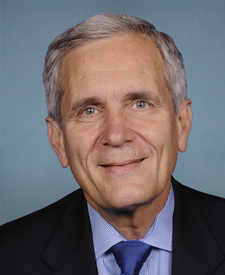
In CommitteeMr. Doggett (for himself, Mr. Bacon, Mr. Bilirakis, Mr. Cohen, …
Referred to the Committee on Ways and Means, and in …
Introduced in House
Stakeholder Effects
cui bono?How this legislation distributes effects. Mention counts reflect frequency, not effect magnitude.
CBP import officers, Congressional clerks, Sanctions enforcement agencies
Foreign refineries using Russian crude, Russian crude oil producers
Fuel traders, U.S. refined product importers, U.S. refiners avoiding Russian crude
Positive-direction: U.S. refiners avoiding Russian crude
Negative-direction: Fuel traders, U.S. refined product importers
Bill Structure & Actor Mappings
Who is "The Secretary" in each section?
We use a combination of our own taxonomy and classification in addition to large language models to assess meaning and potential beneficiaries. High confidence means strong textual evidence. Always verify with the original bill text.
Learn more about our methodology