RAYS Act
Summary
What This Bill Does
The RAYS Act adds a student mental-health contact requirement to the Elementary and Secondary Education Act. Local educational agencies that issue identification cards to secondary-school students must include contact information for the 988 Suicide and Crisis Lifeline, the Crisis Text Line, and a state or local suicide-prevention hotline if available. Agencies that do not issue secondary-school ID cards must publish the same contacts on a public website and include them on student computer portals and software platforms. Schools can print the information, use stickers, or choose another method. If 988 or the Crisis Text Line becomes unavailable or ineffective, the Secretary of Education may designate an alternative service and must notify local educational agencies within 60 days. The bill also lets agencies add school counselor or school mental-health contacts and put the information on staff IDs. The Secretary of Education, with HHS and other agencies, must conduct accessible outreach to students, parents, school personnel, and the public.
Who Benefits and How
Secondary-school students, students in crisis, parents, school counselors, 988 Lifeline operators, Crisis Text Line operators, disability communities, and local suicide-prevention hotlines benefit because crisis contacts would be visible on IDs, school websites, and student platforms. Local educational agencies benefit from flexible compliance methods such as stickers or digital posting when cards are not used.
Who Bears the Burden and How
Local educational agencies, school administrators, student ID vendors, school IT staff, education communications teams, the Department of Education, and HHS outreach staff must update ID cards, websites, portals, software platforms, accessibility practices, and outreach materials. Schools that do not already issue updated cards or maintain student portals must track effective dates and ensure required hotline information is current.
Key Provisions
- Requires secondary-school student ID cards to include 988, Crisis Text Line, and available state or local suicide-prevention hotline contacts.
- Requires agencies without student ID cards to post the contacts on public websites and student digital platforms.
- Allows stickers, direct printing, or other methods for putting the contacts on ID cards.
- Authorizes the Secretary of Education to designate alternative services if 988 or the Crisis Text Line becomes unavailable or ineffective.
- Requires federal outreach and accessible information for students, parents, school personnel, and the public.
Evidence Chain:
This summary is generated from the full bill text using AI analysis. Expand "Detailed Analysis" below for identified beneficiaries/burden bearers with clause-level evidence links.
At a Glance
What This Bill Does
Requires local educational agencies receiving federal funds to put 988, Crisis Text Line, and state or local suicide-prevention contacts on secondary-school ID cards or digital platforms and directs federal outreach on the resources.
Key Policy Areas
Education, Healthcare, Social Services
Primary Purpose
Requires local educational agencies receiving federal funds to put 988, Crisis Text Line, and state or local suicide-prevention contacts on secondary-school ID cards or digital platforms and directs federal outreach on the resources.
Policy Domains
Substantive provisions
Identified Gains
- Secondary-school students
- Students in crisis
- Parents
- School counselors
- 988 Lifeline operators
- Crisis Text Line operators
- Local suicide-prevention hotlines
Identified Costs
- Local educational agencies
- School administrators
- Student ID vendors
- School IT staff
- Department of Education staff
- HHS outreach staff
Sponsors

Legislative Progress
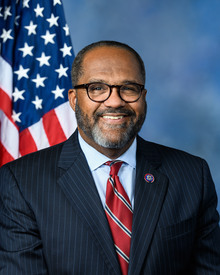
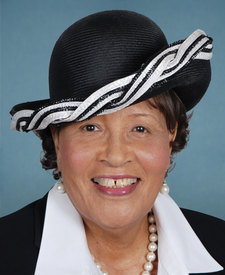
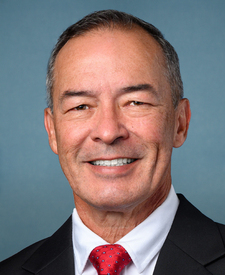
In CommitteeMr. Carter of Louisiana (for himself, Ms. Adams, Mr. Moylan, …
Referred to the House Committee on Education and Workforce.
Introduced in House
Stakeholder Effects
cui bono?How this legislation distributes effects. Mention counts reflect frequency, not effect magnitude.
Local educational agencies, School administrators, Secondary-school students
Positive-direction: Secondary-school students, Student ID vendors
Negative-direction: Local educational agencies, School administrators
Local suicide-prevention hotlines, Students in crisis
Department of Education staff, HHS outreach staff
988 Lifeline operators, Crisis Text Line operators
Bill Structure & Actor Mappings
Who is "The Secretary" in each section?
We use a combination of our own taxonomy and classification in addition to large language models to assess meaning and potential beneficiaries. High confidence means strong textual evidence. Always verify with the original bill text.
Learn more about our methodology