Equitable Access to School Facilities Act
Summary
What This Bill Does
The Equitable Access to School Facilities Act amends the Elementary and Secondary Education Act to make federal charter-school funds more useful for facilities. Section 2 rewrites the state facilities aid program. The Department of Education would award competitive grants to state entities with the highest-quality applications for periods of up to five years. Applications must explain proposed activities, how charter schools will receive facilities aid, the amount and types of aid, how charter schools were involved in designing the program, partnerships, and how funds will reimburse charter schools for acquiring, constructing, renovating, leasing, financing, or equipping facilities.
The bill adds a no-federal-interest rule: funds under the charter-school part do not create a federal interest requiring property recording under 2 C.F.R. 200.316 or reporting under 2 C.F.R. 200.330. It also extends annual reporting for credit enhancement grantees to each of the 10 years after the entity received a grant, including grants made before enactment.
Section 5 expands allowable uses under grants to support high-quality charter schools. State entities may help charter schools locate and access facilities, provide one-time assistance for state and local building-code compliance, and reserve up to 10 percent for revolving loan funds. The bill reduces a 90 percent threshold to 80 percent and supports loans to eligible charter applicants for opening, preparing, or expanding charter schools.
Who Benefits and How
Charter schools seeking facilities benefit from grant-backed reimbursement for acquisition, construction, renovation, leasing, debt service, technology, and related facilities costs. Planned charter schools benefit from location assistance and one-time building-code compliance support before opening. State charter facilities grant administrators benefit from a clearer federal program and loan-fund authority. Charter school students benefit if facility financing makes it easier to open or expand schools. Charter facility lenders and credit enhancement grantees benefit from more federal support for financing structures.
Who Bears the Burden and How
Department of Education charter staff must run a competitive grant process, judge application quality, monitor state-entity aid decisions, and oversee credit-enhancement reporting for 10 years. State charter facilities grant administrators must design aid formulas, involve charter schools, document partnerships, and manage reimbursements or revolving loan funds. Federal taxpayers bear the cost of facilities grants and reduced federal property-control rights. Credit enhancement grantees must continue annual reporting for up to 10 years. Local school facility officials may face more pressure from charter schools seeking access to buildings and code-compliant facilities.
Key Provisions
- Establishes competitive grants to state entities for charter-school facilities aid.
- Authorizes grant periods of up to five years.
- Requires applications to detail charter-school involvement, aid formulas, partnerships, and eligible facilities uses.
- Provides reimbursement support for acquisition, construction, renovation, leasing, debt service, technology, and related facilities costs.
- Provides that federal charter-school funds do not create a federal property interest for specified recording or reporting rules.
- Extends credit-enhancement grantee annual reporting for 10 years.
- Expands grants to support facility location assistance and building-code compliance.
- Allows a reserve of up to 10 percent for revolving loan funds supporting charter-school opening, preparation, or expansion.
Evidence Chain:
This summary is generated from the full bill text using AI analysis. Expand "Detailed Analysis" below for identified beneficiaries/burden bearers with clause-level evidence links.
At a Glance
What This Bill Does
Expands federal support for charter school facilities by revising the state facilities aid program, authorizing competitive grants for up to five years, allowing reimbursement and revolving loan uses for acquisition, construction, renovation, leasing, technology, debt service, and code compliance, removing federal-interest recording and reporting requirements, and extending credit-enhancement grant reporting for 10 years.
Key Policy Areas
Education, Charter Schools, Federal Grants, School Facilities
Primary Purpose
Expands federal support for charter school facilities by revising the state facilities aid program, authorizing competitive grants for up to five years, allowing reimbursement and revolving loan uses for acquisition, construction, renovation, leasing, technology, debt service, and code compliance, removing federal-interest recording and reporting requirements, and extending credit-enhancement grant reporting for 10 years.
Policy Domains
House resolution provisions
Identified Gains
- Charter schools seeking facilities
- Planned charter schools
- State charter facilities grant administrators
- Charter school students
- Charter facility lenders
- Credit enhancement grantees
Identified Costs
- Department of Education charter staff
- State charter facilities grant administrators
- Federal taxpayers
- Credit enhancement grantees
- Local school facility officials
Sponsors



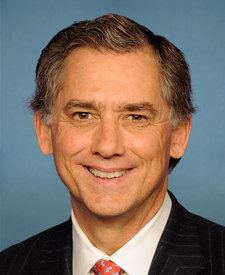
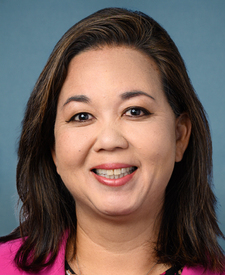
Legislative Progress
ReportedPlaced on the Union Calendar, Calendar No. 586.
Reported (Amended) by the Committee on Education and Workforce. H. …
Additional sponsors: Mr. Kiley of California, Ms. Tokuda, Ms. Lofgren, …
Placed on the Union Calendar, Calendar No. 586.
Ordered to be Reported (Amended) by the Yeas and Nays: …
Committee Consideration and Mark-up Session Held
Introduced in House
Referred to the House Committee on Education and Workforce.
Mr. Ciscomani (for himself and Mr. Bishop) introduced the following …
Stakeholder Effects
cui bono?How this legislation distributes effects. Mention counts reflect frequency, not effect magnitude.
Charter facility lenders, Charter school students, Charter schools acquiring facilities
Department of Education charter staff, State charter facilities grant administrators face effects in multiple directions
Positive-direction: Charter facility lenders, Charter school students, Charter schools acquiring facilities, Charter schools seeking facilities, Eligible charter applicants, Operating charter schools, Planned charter schools
Negative-direction: Credit enhancement grantees, Local school facility officials
Taxpayers
Taxpayers faces effects in multiple directions
Bill Structure & Actor Mappings
Who is "The Secretary" in each section?
- "secretary"
- → Secretary of Education
- "state_entity"
- → State entity administering charter school grants
We use a combination of our own taxonomy and classification in addition to large language models to assess meaning and potential beneficiaries. High confidence means strong textual evidence. Always verify with the original bill text.
Learn more about our methodology