Sara’s Law and the Preventing Unfair Sentencing Act of 2026
Summary
What This Bill Does
Sara's Law and the Preventing Unfair Sentencing Act of 2026 creates a trauma-informed sentencing rule for certain young defendants. New 18 U.S.C. 3553(h) allows a court, notwithstanding any statutory minimum, to impose a sentence below that minimum and suspend any portion of the sentence if the defendant is a youthful victim offender. A youthful victim offender is someone who was under 18 and convicted of a violent offense against a person whom the court finds, by clear and convincing evidence, engaged in trafficking, sexual abuse, exploitation, or related conduct against the defendant not earlier than one year before the violent offense. The rule applies to convictions entered after enactment. The bill also requires the United States Sentencing Commission to review and amend guidelines and policy statements to reflect the new sentencing authority.
Who Benefits and How
Youthful victim offenders, trafficking survivors, child sexual abuse survivors, defense attorneys, trauma-informed service providers, and judges handling cases involving victimization benefit because courts could consider abuse and trafficking history even when a mandatory minimum would otherwise control. Families and advocates of exploited minors benefit from a statutory route to individualized sentencing when the violent offense is tied to recent victimization.
Who Bears the Burden and How
Federal prosecutors must litigate whether the defendant meets the youthful victim offender definition and whether the evidence is clear and convincing. Federal judges must make trauma, timing, offense, and evidentiary findings before sentencing below a statutory minimum. The Sentencing Commission must review and amend guidelines and policy statements. Crime victims and victim families may face more contested sentencing hearings when defendants seek relief under the new rule.
Key Provisions
- Adds 18 U.S.C. 3553(h) allowing below-minimum sentences for youthful victim offenders.
- Allows courts to suspend any portion of a sentence for qualifying defendants.
- Requires clear and convincing evidence that the violent-offense victim engaged in trafficking or sexual-abuse conduct against the defendant within the prior year.
- Applies the new sentencing rule to convictions entered after enactment.
- Requires the Sentencing Commission to review and amend guidelines and policy statements.
Evidence Chain:
This summary is generated from the full bill text using AI analysis. Expand "Detailed Analysis" below for identified beneficiaries/burden bearers with clause-level evidence links.
At a Glance
What This Bill Does
Lets federal courts sentence youthful victim offenders below otherwise applicable statutory minimums when their violent offense followed trafficking or sexual-abuse victimization and directs the Sentencing Commission to update guidelines and policy statements.
Key Policy Areas
Law Enforcement, Government, Social Services
Primary Purpose
Lets federal courts sentence youthful victim offenders below otherwise applicable statutory minimums when their violent offense followed trafficking or sexual-abuse victimization and directs the Sentencing Commission to update guidelines and policy statements.
Policy Domains
Substantive provisions
Identified Gains
- Youthful victim offenders
- Trafficking survivors
- Child sexual abuse survivors
- Defense attorneys
- Trauma-informed service providers
- Federal judges
Identified Costs
- Federal prosecutors
- United States Sentencing Commission staff
- Crime victims
- Victim families
- Federal courts
Sponsors


Legislative Progress
In CommitteeReferred to the House Committee on the Judiciary.
Introduced in House
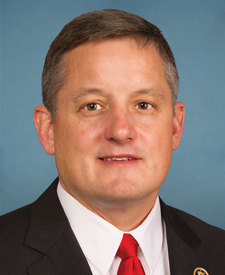
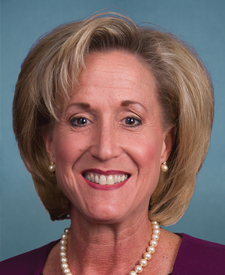
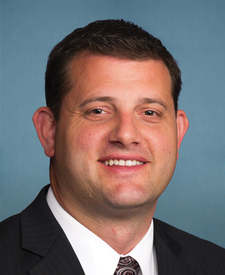
Mr. Westerman (for himself, Ms. Kamlager-Dove, Mr. Carter of Georgia, …
Stakeholder Effects
cui bono?How this legislation distributes effects. Mention counts reflect frequency, not effect magnitude.
Crime victims, Youthful victim offenders
Federal judges, United States Sentencing Commission staff
Bill Structure & Actor Mappings
Who is "The Secretary" in each section?
We use a combination of our own taxonomy and classification in addition to large language models to assess meaning and potential beneficiaries. High confidence means strong textual evidence. Always verify with the original bill text.
Learn more about our methodology