Keeping Public Lands Out of Adversarial Hands Act
Summary
What This Bill Does
The Keeping Public Lands Out of Adversarial Hands Act expands national-security review of land and resource transactions near public lands. It adds the Secretary of the Interior as a CFIUS member for covered transactions involving land, natural resources, sites, facilities, buildings, or other infrastructure controlled by the Bureau of Land Management, Bureau of Reclamation, Bureau of Indian Affairs, Bureau of Ocean Energy Management, National Park Service, or U.S. Fish and Wildlife Service. When Interior believes a reportable transaction involves acquisition of a land or resource interest by a foreign person of China, North Korea, Russia, or Iran, the Secretary must notify CFIUS. CFIUS then determines whether the transaction is covered and may review or act on it. The special treatment sunsets for a country once it is removed from the Commerce Department foreign-adversaries list in 15 C.F.R. 791.4.
Who Benefits and How
Interior land managers, CFIUS national-security officials, tribal communities near affected Interior resources, public lands communities, and national-security reviewers benefit because potentially sensitive purchases near federal lands and resources receive a clearer review trigger. The Secretary of the Interior benefits from a formal seat in CFIUS deliberations when the transaction implicates Interior-controlled land, water, wildlife, park, or offshore resources.
Who Bears the Burden and How
Foreign adversary land buyers, companies owned or controlled by persons from China, Russia, Iran, or North Korea, and transaction parties near Interior-managed resources face additional review risk, reporting scrutiny, delay, and possible mitigation or blocking. Interior staff must identify reportable transactions, notify CFIUS, supply site and resource information, and coordinate with Treasury-led CFIUS processes. CFIUS member agencies must evaluate additional land and resource cases.
Key Provisions
- Adds the Secretary of the Interior to CFIUS for transactions involving Interior-controlled land, resources, sites, facilities, buildings, or infrastructure.
- Requires Interior notification to CFIUS for suspected covered land or resource acquisitions by foreign persons of China, Russia, Iran, or North Korea.
- Requires CFIUS to decide whether a notified transaction is covered and review or act on covered transactions.
- Covers resources managed by BLM, Reclamation, BIA, BOEM, National Park Service, and Fish and Wildlife Service.
- Sunsets the country-specific trigger when a country is removed from the Commerce foreign-adversaries list.
Evidence Chain:
This summary is generated from the full bill text using AI analysis. Expand "Detailed Analysis" below for identified beneficiaries/burden bearers with clause-level evidence links.
At a Glance
What This Bill Does
Adds the Secretary of the Interior to CFIUS for land and resource transactions near Interior-managed sites and requires CFIUS review when foreign persons from China, Russia, Iran, or North Korea seek covered interests near those lands or resources.
Key Policy Areas
Government, Foreign Entities, Environment
Primary Purpose
Adds the Secretary of the Interior to CFIUS for land and resource transactions near Interior-managed sites and requires CFIUS review when foreign persons from China, Russia, Iran, or North Korea seek covered interests near those lands or resources.
Policy Domains
Substantive provisions
Identified Gains
- Secretary of the Interior staff
- CFIUS national security reviewers
- BLM land managers
- National Park Service land managers
- Bureau of Indian Affairs land managers
- Public lands communities
Identified Costs
- Foreign adversary land buyers
- China-linked acquiring companies
- Russia-linked acquiring companies
- Iran-linked acquiring companies
- North Korea-linked acquiring companies
- Interior transaction review staff
Sponsors
Legislative Progress
In CommitteeReferred to the Committee on Financial Services, and in addition …
Introduced in House
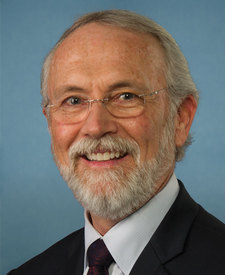
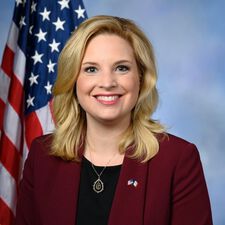
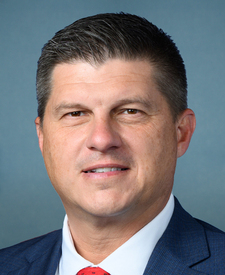
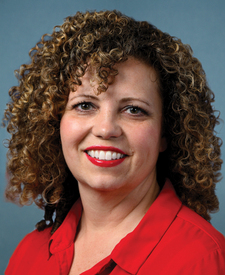
Mr. Newhouse (for himself, Mr. Hurd of Colorado, Mr. Rose, …
Stakeholder Effects
cui bono?How this legislation distributes effects. Mention counts reflect frequency, not effect magnitude.
BLM land managers, Bureau of Indian Affairs land managers, CFIUS member agencies
Bill Structure & Actor Mappings
Who is "The Secretary" in each section?
We use a combination of our own taxonomy and classification in addition to large language models to assess meaning and potential beneficiaries. High confidence means strong textual evidence. Always verify with the original bill text.
Learn more about our methodology