No Violent Criminals in the Federal Workforce Act
Summary
What This Bill Does
The No Violent Criminals in the Federal Workforce Act creates a federal procurement exclusion tied to violent-crime convictions. The Federal Government may not enter into a contract with a covered individual or an entity in which a covered individual holds a covered position. Agency heads must include contract clauses prohibiting covered individuals from working on the contract. The OMB Director may grant a waiver if terminating the contract or barring the individual's work would impose a unique or undue burden on the Federal Government. Covered individual means someone finally convicted by a federal, state, or local court of a crime of violence under 18 U.S.C. section 16, excluding subsection 16(b). Covered positions include providing goods or services under a federal contract, serving as an officer or director, serving on a board of directors, or holding a controlling ownership interest. The prohibitions apply to contracts entered into before, on, or after enactment.
Who Benefits and How
Federal agencies, contracting officers, public-safety advocates, federal workers, and people served by federal contractors benefit because the bill creates a screening rule intended to keep individuals with final violent-crime convictions out of federal contract work and contractor control positions. OMB benefits from waiver authority when strict application would uniquely burden government operations.
Who Bears the Burden and How
Individuals with final violent-crime convictions, contractors employing covered individuals, contractor officers or directors with covered convictions, companies with covered controlling owners, agency procurement offices, and OMB waiver staff bear the burden. Contractors must screen covered positions, update certifications, and remove barred workers from federal contract work unless a waiver applies. Agencies must add clauses to contracts and evaluate compliance across existing and future contracts.
Key Provisions
- Prohibits the Federal Government from contracting with covered individuals or entities tied to covered individuals.
- Requires agency heads to include contract clauses barring covered individuals from working on federal contracts.
- Creates OMB waiver authority for unique or undue burdens on the Federal Government.
- Defines covered individuals as people finally convicted of crimes of violence.
- Defines covered positions to include contract work, officer roles, director roles, board service, and controlling ownership interests.
- Applies the prohibition to contracts entered into before, on, or after enactment.
Evidence Chain:
This summary is generated from the full bill text using AI analysis. Expand "Detailed Analysis" below for identified beneficiaries/burden bearers with clause-level evidence links.
At a Glance
What This Bill Does
Bars the Federal Government from contracting with individuals finally convicted of crimes of violence or entities where such individuals provide contract goods or services, serve as officers or directors, or hold controlling ownership interests, requires agencies to include contract clauses excluding covered individuals, and allows OMB waivers for unique or undue burdens on the Government.
Key Policy Areas
Government Procurement, Law Enforcement, Labor
Primary Purpose
Bars the Federal Government from contracting with individuals finally convicted of crimes of violence or entities where such individuals provide contract goods or services, serve as officers or directors, or hold controlling ownership interests, requires agencies to include contract clauses excluding covered individuals, and allows OMB waivers for unique or undue burdens on the Government.
Policy Domains
Substantive provisions
Identified Gains
- Federal agencies
- Contracting officers
- Public-safety advocates
- Federal workers
- People served by federal contractors
- OMB waiver officials
Identified Costs
- Individuals with violent-crime convictions
- Federal contractors
- Contractor compliance staff
- Agency procurement offices
- OMB waiver staff
- Companies with covered controlling owners
Sponsors
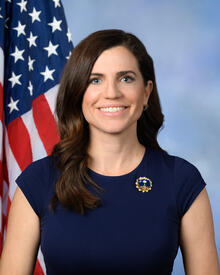
Nancy Mace
R-SC | Primary Sponsor
Legislative Progress
In CommitteeMs. Mace (for herself and Mr. Burchett) introduced the following …
Referred to the House Committee on Oversight and Government Reform.
Introduced in House
Stakeholder Effects
cui bono?How this legislation distributes effects. Mention counts reflect frequency, not effect magnitude.
Contracting officers, Federal agencies, OMB waiver staff
Positive-direction: Federal agencies
Negative-direction: Contracting officers, OMB waiver staff
Bill Structure & Actor Mappings
Who is "The Secretary" in each section?
We use a combination of our own taxonomy and classification in addition to large language models to assess meaning and potential beneficiaries. High confidence means strong textual evidence. Always verify with the original bill text.
Learn more about our methodology