Student Visa Integrity Act of 2026
Summary
What This Bill Does
The Student Visa Integrity Act of 2026 is a comprehensive student-visa integrity package. It requires academic institutions, language training programs, and study programs seeking F, M, or J approval or designation to be accredited by an Education-recognized accreditor, with limited DHS waiver authority for institutions already pursuing accreditation. It adds SEVIS reporting of the date a nonimmigrant student fully pays tuition. Institutions seeking SEVP certification or recertification must disclose contracts, agreements, financial transactions, and contributions tied to Government of the People's Republic of China-funded educational, cultural, or language entities. DHS or State must impose fines of at least $1,000, suspend document-issuance authority, or terminate approval or designation for reporting failures; fraud suspicion or indictment can trigger immediate suspension of school approval, exchange-visitor designation, officer database access, or document-issuance authority. Principals, designated school officials, responsible officers, and alternate responsible officers must be U.S. citizens, nationals, or lawful permanent residents, pass criminal, sex offender, immigration, public-safety, and national-security eligibility reviews every four years, and complete online training. Flight training providers must be FAA certificated under part 141 or 142 to receive or keep SEVP certification. Accreditors must notify DHS and State of accreditation loss within 30 days, and DHS must terminate affected F or M approval. The bill expands tracking to additional nonimmigrants pursuing study, requires language and flight training to occur in F, J, or M status, bars specified country-of-concern nationals from flight, aviation, nuclear, or Iranian energy-sector study, bars foreign-adversary country citizens from U.S. higher education unless the Secretary identifies otherwise, replaces duration of status with definite end dates generally capped at program length or four years plus limited post-study time, caps online education at 10 percent for F, M, and study-based J programs, expands DHS information requests, updates enrollment reporting deadlines, gives fee flexibility for SEVIS, requires SEVIS II deployment within two years, requires a GAO implementation report by December 31, 2026, and requires consular officers to review a domestic-worker and nonimmigrant protections pamphlet with F, J, or M study visa applicants.
Who Benefits and How
DHS SEVP staff, State Department consular officers, national security officials, accredited schools with strong compliance systems, students attending legitimate programs, and communities concerned about visa fraud benefit from stronger accreditation, disclosure, fraud, review, tracking, and end-date rules. The Department of Education and recognized accreditors benefit from a clearer gatekeeping role. Congress benefits from GAO review of implementation. Students may benefit when SEVIS II creates person-centric records and paperless processes that reduce duplicate records and improve status clarity.
Who Bears the Burden and How
Colleges, language training programs, exchange visitor programs, designated school officials, responsible officers, foreign students, flight training providers, PRC-funded campus partners, foreign-adversary country applicants, accreditors, DHS SEVP staff, State consular officers, and GAO auditors bear the main burdens. Schools must maintain accreditation, disclose PRC-linked contracts and contributions, report tuition and enrollment dates, release student data to DHS, manage online-study limits, and risk fines, suspension, or termination. International students face more status restrictions, definite end dates, country-based exclusions, online-course limits, and pamphlet-review steps before visa issuance.
Key Provisions
- Requires accreditation for academic institutions, language training programs, and study programs seeking F, M, or J approval or designation.
- Requires schools to report full tuition-payment dates and disclose PRC-funded contracts, transactions, and contributions.
- Strengthens SEVIS penalties through fines, suspension, termination, and fraud-based immediate sanctions.
- Requires eligibility reviews and training for principals, designated school officials, responsible officers, and alternate responsible officers.
- Requires FAA part 141 or 142 certification for flight training providers seeking or holding SEVP certification.
- Bars specified country-of-concern or foreign-adversary nationals from covered flight, nuclear, Iranian energy-sector, or higher-education study.
- Requires definite student stay end dates, generally capped at program length or four years plus limited post-study time.
- Limits online education to 10 percent of class time or credits for covered student statuses.
- Requires SEVIS II deployment within two years and a GAO implementation report by December 31, 2026.
Evidence Chain:
This summary is generated from the full bill text using AI analysis. Expand "Detailed Analysis" below for identified beneficiaries/burden bearers with clause-level evidence links.
At a Glance
What This Bill Does
Tightens F, J, and M nonimmigrant student and exchange-visitor oversight by requiring school accreditation, tuition-payment reporting, PRC-affiliation disclosures, stronger SEVIS penalties, fraud-based suspensions, eligibility reviews for school officials, FAA certification for flight-training providers, accreditation-loss notices, broader student tracking, language and flight training status limits, bans for specified countries and foreign adversaries, definite end dates for stays, online-study caps, expanded DHS data access, SEVIS II modernization, GAO review, and trafficking-protection pamphlet review before visa issuance.
Key Policy Areas
Immigration, Education, National Security
Primary Purpose
Tightens F, J, and M nonimmigrant student and exchange-visitor oversight by requiring school accreditation, tuition-payment reporting, PRC-affiliation disclosures, stronger SEVIS penalties, fraud-based suspensions, eligibility reviews for school officials, FAA certification for flight-training providers, accreditation-loss notices, broader student tracking, language and flight training status limits, bans for specified countries and foreign adversaries, definite end dates for stays, online-study caps, expanded DHS data access, SEVIS II modernization, GAO review, and trafficking-protection pamphlet review before visa issuance.
Policy Domains
Substantive provisions
Identified Gains
- DHS SEVP staff
- State Department consular officers
- National security officials
- Accredited universities
- Compliant language training programs
- Students attending legitimate programs
- Congressional judiciary committees
- Department of Education accreditor staff
Identified Costs
- Colleges enrolling nonimmigrant students
- Designated school officials
- Exchange visitor program officers
- Foreign students
- Flight training providers
- PRC-funded campus partners
- Foreign-adversary country applicants
- Accrediting agencies
- GAO auditors
Sponsors

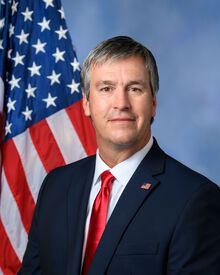
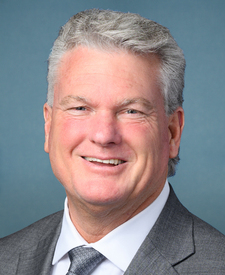
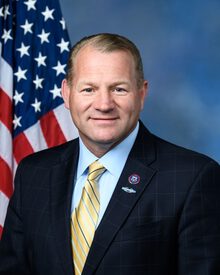
Legislative Progress
In CommitteeReferred to the Committee on the Judiciary, and in addition …
Introduced in House
Mr. Gill of Texas (for himself, Mr. Nehls, and Mr. …
Stakeholder Effects
cui bono?How this legislation distributes effects. Mention counts reflect frequency, not effect magnitude.
Accredited universities, Accrediting agencies, Colleges enrolling nonimmigrant students
Foreign students faces effects in multiple directions
Positive-direction: Accredited universities
Negative-direction: Accrediting agencies, Colleges enrolling nonimmigrant students, Designated school officials, Exchange visitor program officers, Exchange visitor programs, Foreign flight students, Foreign students at suspended schools, Fraud-suspected school officials, Institutions losing accreditation, Language training programs, Language training students, Noncompliant schools, Online education programs, Public high school exchange students, School privacy officers, U.S. universities
Congressional judiciary committees, DHS SEVP staff, DHS admissibility officers
DHS SEVP staff faces effects in multiple directions
Positive-direction: Congressional judiciary committees, National security officials
Negative-direction: DHS admissibility officers, DHS admissions officers, GAO auditors, State Department consular officers, State Department exchange visitor staff
FAA certification staff, Flight training providers
Country-of-concern students, Foreign-adversary country applicants, PRC-funded campus partners
Bill Structure & Actor Mappings
Who is "The Secretary" in each section?
We use a combination of our own taxonomy and classification in addition to large language models to assess meaning and potential beneficiaries. High confidence means strong textual evidence. Always verify with the original bill text.
Learn more about our methodology