No Political Enemies Act
Summary
What This Bill Does
The No Political Enemies Act targets federal political retaliation through investigations, prosecutions, regulatory actions, and enforcement claims. It defines covered enforcement claims, covered federal officials, covered government actions, covered persons, domestic entities, protected speech or participation, and substantial motivation. A covered person can use political targeting as an affirmative defense in a federal civil or criminal enforcement claim. Once the person presents substantial evidence that protected speech or participation was a motivating factor, the court must order expedited discovery related to government motivation, may conduct in camera review of privileged materials, and the government must prove by clear and convincing evidence that legitimate grounds unrelated to protected speech justify the claim and that the claim was not substantially motivated by protected speech. Covered persons may sue federal officials and executive agencies for injunctive or equitable relief against imminent or ongoing targeted government actions, including actions affecting tax-exempt status. They may sue covered federal officials for damages when the official knowingly initiates or directs a targeted action that violates constitutional rights, with only limited good-faith immunity and restricted United States indemnification. Courts may award uncapped attorney fees and costs against the United States for meritless politically motivated actions. The bill amends the Antideficiency Act to prohibit federal funds from being used for covered political targeting and gives aggrieved persons another equitable-relief action. It also requires quarterly Attorney General reports to House and Senate Judiciary Committees on covered DOJ matters, leadership approvals or declinations, policy changes, prosecutorial declarations, and court orders affecting declaration confidentiality or validity.
Who Benefits and How
U.S. citizens, lawful permanent residents, domestic entities, advocacy organizations, political speakers, religious groups, tax-exempt organizations, and defendants in federal enforcement actions benefit because the bill creates defenses, discovery tools, injunctions, damages claims, fee awards, and funding restrictions when federal action is motivated by protected speech or participation. Federal courts benefit from explicit jurisdiction and evidentiary rules. Congressional judiciary committees benefit from quarterly reporting on sensitive DOJ matters and prosecutorial declarations.
Who Bears the Burden and How
Covered federal officials, executive agencies, Justice Department leadership, FBI officials, U.S. attorney offices, federal regulators, IRS officials handling tax-exempt status, and federal prosecutors face higher litigation risk, expedited discovery, clear-and-convincing burden rules, damages exposure, fee awards, funding restrictions, and recurring reporting duties. The Attorney General must produce quarterly reports and three-business-day notices to Congress. Federal taxpayers may bear litigation, discovery, reporting, and fee-award costs, although indemnification for officials is limited.
Key Provisions
- Defines covered federal officials, covered persons, covered enforcement claims, covered government actions, and protected speech or participation.
- Creates an affirmative defense when a federal enforcement claim is substantially motivated by protected speech or participation.
- Requires expedited discovery and clear-and-convincing government proof after substantial evidence of political targeting.
- Creates civil actions for injunctions and equitable relief against covered federal officials and executive agencies.
- Creates damages actions against covered federal officials who knowingly direct politically motivated constitutional violations.
- Authorizes uncapped attorney-fee and cost awards for substantially prevailing parties in politically motivated federal actions.
- Prohibits federal funds from being used for covered political targeting.
- Requires quarterly Justice Department reports and prompt notices to congressional judiciary committees.
Evidence Chain:
This summary is generated from the full bill text using AI analysis. Expand "Detailed Analysis" below for identified beneficiaries/burden bearers with clause-level evidence links.
At a Glance
What This Bill Does
Creates statutory defenses, injunctions, damages actions, fee-shifting, funding restrictions, and quarterly Justice Department reporting to prevent federal investigative, regulatory, enforcement, or prosecution actions from being substantially motivated by protected speech, expression, association, dissent, criticism, or participation.
Key Policy Areas
Civil Rights, Law Enforcement, Government Oversight
Primary Purpose
Creates statutory defenses, injunctions, damages actions, fee-shifting, funding restrictions, and quarterly Justice Department reporting to prevent federal investigative, regulatory, enforcement, or prosecution actions from being substantially motivated by protected speech, expression, association, dissent, criticism, or participation.
Policy Domains
Substantive provisions
Identified Gains
- U.S. citizens
- Lawful permanent residents
- Domestic entities
- Advocacy organizations
- Political speakers
- Tax-exempt organizations
- Congressional judiciary committees
Identified Costs
- Covered federal officials
- Executive agencies
- Justice Department leadership
- FBI officials
- U.S. attorney offices
- Federal regulators
- IRS tax-exempt staff
- Federal prosecutors
Sponsors
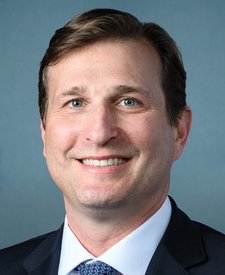
Legislative Progress
In CommitteeReferred to the Committee on the Judiciary, and in addition …
Introduced in House
Mr. Crow (for himself, Ms. Houlahan, Mr. Frost, Ms. Ocasio-Cortez, …
Stakeholder Effects
cui bono?How this legislation distributes effects. Mention counts reflect frequency, not effect magnitude.
Attorney General staff, Congressional judiciary committees, Covered federal officials
Positive-direction: Congressional judiciary committees
Negative-direction: Attorney General staff, Covered federal officials, Executive agencies, Executive branch officials, Federal budget officers, Federal courts, IRS tax-exempt staff
Federal enforcement defendants, Political speakers, Prevailing enforcement defendants
Federal prosecutors, Justice Department leadership, Justice Department litigators
Bill Structure & Actor Mappings
Who is "The Secretary" in each section?
We use a combination of our own taxonomy and classification in addition to large language models to assess meaning and potential beneficiaries. High confidence means strong textual evidence. Always verify with the original bill text.
Learn more about our methodology