DHS Biodetection Improvement Act
Summary
What This Bill Does
The DHS Biodetection Improvement Act directs the Secretary of Homeland Security to assess how DHS has used Department of Energy national laboratories and sites for research and development supporting DHS missions. Within 180 days, the Secretary must submit that assessment to the House Homeland Security Committee and Senate Homeland Security and Governmental Affairs Committee, together with a strategy for conducting DHS biodetection R&D in coordination with DOE labs and sites.
The required strategy must identify biodetection technologies that can meet DHS capability and requirements documents, informed by GAO studies such as the November 2021 Countering Weapons of Mass Destruction Office BioWatch collector-network reassessment. It must develop an acquisition and procurement plan to provide those technologies to existing BioWatch jurisdictions under federal acquisition rules and DHS procurement directives. It must require periodic external evaluations to identify gaps and failure points and recommend contingency plans if technologies fail. It also must support future environmental biodetection requirements in partnership with federal, state, local, and tribal governments, universities, and private-sector partners. DHS must provide Congress a one-year update on the assessment, strategy, and implementation challenges.
Who Benefits and How
BioWatch jurisdictions, DHS Countering Weapons of Mass Destruction Office staff, DOE national laboratories, biodetection technology vendors, state public-health agencies, local emergency-management agencies, tribal governments, research universities, private-sector biodefense partners, House Homeland Security Committee staff, and Senate Homeland Security and Governmental Affairs Committee staff benefit because the bill forces DHS to connect lab research, procurement planning, external evaluation, and contingency planning to real biodetection mission needs.
Who Bears the Burden and How
The Secretary of Homeland Security, DHS biodetection program managers, DHS acquisition officials, DOE laboratory liaison staff, external evaluators, BioWatch program administrators, and participating government partners bear compliance burdens because they must complete the assessment, write the strategy, identify technologies, develop procurement plans, conduct evaluations, define future requirements, and brief Congress on implementation challenges.
Key Provisions
- Requires DHS to assess its use of DOE national laboratories and sites for biodetection research and development.
- Requires a congressional assessment and strategy within 180 days.
- Requires identification of biodetection technologies that meet DHS mission needs and BioWatch-related requirements.
- Requires an acquisition and procurement plan for existing BioWatch jurisdictions.
- Requires periodic external evaluations, gap identification, failure-point analysis, and contingency plans.
- Requires partnership with federal, state, local, tribal, university, and private-sector partners on future environmental biodetection requirements.
- Requires a one-year congressional update on the strategy and implementation challenges.
Evidence Chain:
This summary is generated from the full bill text using AI analysis. Expand "Detailed Analysis" below for identified beneficiaries/burden bearers with clause-level evidence links.
At a Glance
What This Bill Does
Requires DHS to assess how it uses Department of Energy national laboratories for biodetection research, submit the assessment and a strategy within 180 days, identify BioWatch-relevant technologies, plan acquisition for existing jurisdictions, require external evaluations and contingency plans, and update Congress after one year.
Key Policy Areas
Homeland Security, Biodefense, Research and Development, Government Procurement
Primary Purpose
Requires DHS to assess how it uses Department of Energy national laboratories for biodetection research, submit the assessment and a strategy within 180 days, identify BioWatch-relevant technologies, plan acquisition for existing jurisdictions, require external evaluations and contingency plans, and update Congress after one year.
Policy Domains
Substantive provisions
Identified Gains
- BioWatch jurisdictions
- DHS Countering Weapons of Mass Destruction Office staff
- DOE national laboratories
- Biodetection technology vendors
- State public-health agencies
- Local emergency-management agencies
- Tribal governments
- Research universities
- Private-sector biodefense partners
- House Homeland Security Committee staff
- Senate Homeland Security and Governmental Affairs Committee staff
Identified Costs
- Secretary of Homeland Security
- DHS biodetection program managers
- DHS acquisition officials
- DOE laboratory liaison staff
- External evaluators
- BioWatch program administrators
- Participating government partners
Sponsors
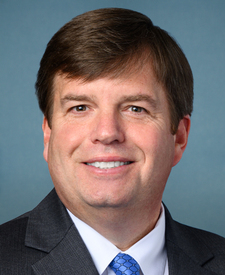
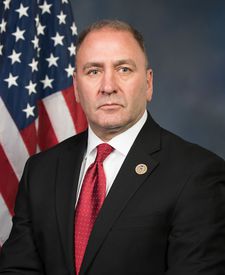
Legislative Progress
Passed HouseReceived; read twice and referred to the Committee on Homeland …
Passed House (inferred from eh version)
Received in the Senate and Read twice and referred to …
Motion to reconsider laid on the table Agreed to without …
On motion to suspend the rules and pass the bill …
Passed/agreed to in House: On motion to suspend the rules …
Considered as unfinished business. (consideration: CR H1126)
At the conclusion of debate, the chair put the question …
DEBATE - The House proceeded with forty minutes of debate …
Considered under suspension of the rules. (consideration: CR H1046-1048)
Stakeholder Effects
cui bono?How this legislation distributes effects. Mention counts reflect frequency, not effect magnitude.
DHS acquisition officials, DHS biodetection program managers, Tribal governments
Positive-direction: Tribal governments
Negative-direction: DHS acquisition officials, DHS biodetection program managers
Local emergency-management agencies, State public-health agencies
Bill Structure & Actor Mappings
Who is "The Secretary" in each section?
- "dhs"
- → Department of Homeland Security
- "doe"
- → Department of Energy
- "cwmd"
- → Countering Weapons of Mass Destruction Office
- "biowatch"
- → BioWatch biodetection program
We use a combination of our own taxonomy and classification in addition to large language models to assess meaning and potential beneficiaries. High confidence means strong textual evidence. Always verify with the original bill text.
Learn more about our methodology