Returning Home Act
Summary
What This Bill Does
The Returning Home Act rewrites an existing reentry housing program to use person-first language and explicitly include halfway houses. It replaces many references to offenders with individuals who are incarcerated or were incarcerated, and expands the covered release settings to prisons, jails, juvenile facilities, and halfway houses. The new section 2978 requires the Attorney General, in coordination with the Housing and Urban Development Secretary, to establish the Reentry Rental Assistance and Housing Services Grant Program. Grants may provide 24 months of rental assistance for permanent housing, stipends to family members when an individual lives in their household, and supportive services such as pre-release planning, document collection, housing counseling, service navigation, mental health therapy, domestic-violence and sexual-assault services, substance-use treatment, education, employment services, home-based and community-based services, case management, move-in support, security deposits, leasing fees, housing placement, at least 12 months of stabilization support, and landlord incentives. Grantees must use at least 60 percent of grant funding for rental assistance and no more than 15 percent for landlord incentives. Eligible applicants include eligible entities, nonprofits or service providers partnering with eligible entities, and nonprofits partnering with Continuum of Care-funded entities.
Who Benefits and How
People leaving incarceration, individuals in halfway houses, families hosting returning relatives, reentry service providers, nonprofit housing providers, Continuum of Care partners, landlords willing to rent to program participants, and communities trying to reduce homelessness and recidivism benefit from a dedicated housing assistance program. Participants benefit from up to 24 months of rent help, security-deposit and move-in support, case management, service navigation, treatment referrals, education and employment links, and housing stabilization after placement.
Who Bears the Burden and How
The Attorney General, Department of Justice grant staff, HUD housing staff, eligible grantees, nonprofit service providers, Continuum of Care partners, and case managers must design applications, verify eligibility, allocate at least 60 percent of funds to rental assistance, cap landlord incentives at 15 percent, coordinate supportive services, document outcomes, and monitor compliance. Federal taxpayers fund the grant program. Landlords accepting incentives may need to comply with program requirements and participant support processes.
Key Provisions
- Expands reentry housing program language to cover individuals in prisons, jails, juvenile facilities, and halfway houses.
- Creates the Reentry Rental Assistance and Housing Services Grant Program.
- Provides 24 months of rental assistance for permanent housing after incarceration.
- Authorizes stipends for family members who house a formerly incarcerated individual.
- Funds supportive services including pre-release planning, housing counseling, treatment links, employment services, security deposits, move-in support, and stabilization.
- Requires at least 60 percent of grant funding to be used for rental assistance.
- Limits landlord financial incentives to not more than 15 percent of grant funding.
Evidence Chain:
This summary is generated from the full bill text using AI analysis. Expand "Detailed Analysis" below for identified beneficiaries/burden bearers with clause-level evidence links.
At a Glance
What This Bill Does
Creates and updates a Reentry Rental Assistance and Housing Services Grant Program under the Omnibus Crime Control and Safe Streets Act to provide 24 months of rental assistance, family-member stipends, housing placement, pre-release planning, landlord incentives, and supportive services for people incarcerated or recently released from prisons, jails, juvenile facilities, or halfway houses.
Key Policy Areas
Housing, Criminal Justice, Social Services
Primary Purpose
Creates and updates a Reentry Rental Assistance and Housing Services Grant Program under the Omnibus Crime Control and Safe Streets Act to provide 24 months of rental assistance, family-member stipends, housing placement, pre-release planning, landlord incentives, and supportive services for people incarcerated or recently released from prisons, jails, juvenile facilities, or halfway houses.
Policy Domains
Substantive provisions
Identified Gains
- People leaving incarceration
- Individuals in halfway houses
- Families hosting returning relatives
- Reentry service providers
- Nonprofit housing providers
- Continuum of Care partners
- Landlords renting to program participants
Identified Costs
- Department of Justice grant staff
- HUD housing staff
- Eligible grantees
- Nonprofit service providers
- Case managers
- Federal taxpayers
- Participating landlords
Sponsors

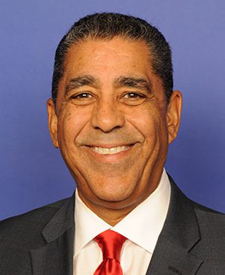

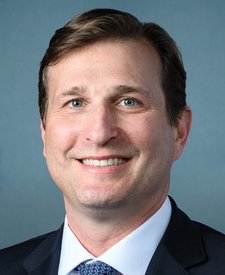
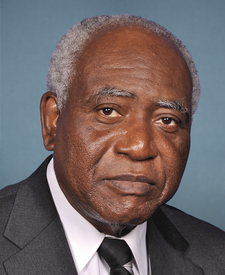
Legislative Progress
In CommitteeReferred to the Committee on the Judiciary, and in addition …
Introduced in House
Ms. Barragán (for herself, Mr. Goldman of New York, Mr. …
Stakeholder Effects
cui bono?How this legislation distributes effects. Mention counts reflect frequency, not effect magnitude.
Case managers, Continuum of Care partners, Families hosting returning relatives
Reentry service providers faces effects in multiple directions
Positive-direction: Continuum of Care partners, Families hosting returning relatives, Individuals in halfway houses, People leaving incarceration
Negative-direction: Case managers
Department of Justice grant staff, HUD housing staff
Bill Structure & Actor Mappings
Who is "The Secretary" in each section?
We use a combination of our own taxonomy and classification in addition to large language models to assess meaning and potential beneficiaries. High confidence means strong textual evidence. Always verify with the original bill text.
Learn more about our methodology