Restoring Sovereignty and Human Rights in Nicaragua Act of 2026
Summary
What This Bill Does
The Restoring Sovereignty and Human Rights in Nicaragua Act of 2026 is a sanctions, trade, investment, and democracy-support bill aimed at the Ortega regime. It defines the congressional committees receiving reports and defines United States persons to include citizens, nationals, lawful permanent residents, and U.S.-organized entities. It urges State and Treasury coordination with Canada, European Union countries, Latin American and Caribbean governments, the Holy See, the International Red Cross, and the United Nations to hold the Ortega regime accountable for abuses against the Catholic Church, political prisoners, civil society, media, and faith organizations. It amends the Nicaraguan Investment Conditionality Act to add the Nicaraguan gold sector and any other Treasury-identified sector as sanctions grounds. It adds sanctions triggers for religious-freedom arrests or prosecutions, politically motivated convictions of opposition or civil-society members, gross human-rights violations against prisoners, support for Russia's invasion of Ukraine, and officials of Nicaragua's Military Institute of Social Security. It requires State and Treasury diplomacy with CABEI member countries such as Mexico, Taiwan, Argentina, Colombia, Spain, and South Korea to oppose loans or technical assistance to the Government of Nicaragua, increase scrutiny of Nicaragua projects, and ensure project administration independent from that government. It sets U.S. policy conditions for resolving Nicaragua's political crisis, requires annual CAFTA-DR reports assessing benefits to the Ortega regime and treaty violations, prohibits new U.S. investment in any Nicaraguan economy sector subject to IEEPA penalties, preserves agricultural, food, medicine, medical-device, humanitarian, intelligence, and national-security waiver exceptions, ends title II if the President certifies a political resolution, authorizes grants to private nonprofits for human-rights and democracy programs through fiscal year 2030 reporting, and directs U.S. advocacy at the UN Human Rights Council and General Assembly.
Who Benefits and How
Nicaraguan political prisoners, Catholic clergy, religious organizations, independent civil society, opposition groups, exiles in Costa Rica and the United States, Nicaraguan human-rights documentation programs, and the UN Group of Human Rights Experts on Nicaragua benefit from stronger U.S. sanctions pressure, grant authority, diplomatic coordination, and international advocacy. Congressional foreign affairs, banking, and financial services committees benefit from recurring reports on CAFTA-DR, CABEI strategy, grants, waivers, and sanctions implementation. U.S. democracy and human-rights nonprofits benefit from explicit grant authority to document abuses and support rule-of-law programs.
Who Bears the Burden and How
Ortega regime officials, Nicaraguan gold sector operators, other Treasury-identified Nicaraguan sectors, IPSM officials, Nicaraguan State-owned entities, CABEI-backed Nicaragua projects, and U.S. persons considering new investment in Nicaragua bear the main burden through sanctions risk, financing restrictions, investment bans, and reporting scrutiny. State Department sanctions staff, Treasury sanctions staff, USTR analysts, U.S. diplomats, the U.S. Permanent Representative to the United Nations, grant managers, and federal compliance staff must coordinate diplomacy, evaluate trade and finance impacts, issue reports, manage waivers, and administer grants.
Key Provisions
- Expands Nicaragua sanctions to the gold sector and any other Treasury-identified sector of the Nicaraguan economy.
- Adds sanctions triggers for religious-freedom prosecutions, political-prisoner convictions, prisoner human-rights abuses, support for Russia's Ukraine invasion, and IPSM officials.
- Requires State and Treasury diplomacy with CABEI member countries to oppose or scrutinize Nicaragua loans and technical assistance.
- Requires annual reports on Nicaragua's participation in CAFTA-DR, benefits to the Ortega regime, treaty violations, and nonmarket-economy status.
- Prohibits new U.S. investment in any Nicaraguan economy sector with IEEPA penalties and humanitarian, food, medicine, medical-device, intelligence, and waiver exceptions.
- Authorizes grants to private nonprofits for Nicaragua human-rights, democracy, and rule-of-law programs through fiscal year 2030 reporting.
- Directs U.S. advocacy at the United Nations to extend and support the Group of Human Rights Experts on Nicaragua.
Evidence Chain:
This summary is generated from the full bill text using AI analysis. Expand "Detailed Analysis" below for identified beneficiaries/burden bearers with clause-level evidence links.
At a Glance
What This Bill Does
Expands Nicaragua sanctions and diplomacy by adding gold-sector and other Treasury-identified economy-sector sanctions, adding sanctions triggers for abuses against the Catholic Church, political prisoners, human-rights violations, support for Russia's Ukraine invasion, and IPSM officials, requiring CABEI loan-restriction diplomacy, reviewing Nicaragua's CAFTA-DR participation, banning new U.S. investment in Nicaragua with humanitarian and intelligence exceptions, funding democracy and human-rights nonprofit grants, and directing U.S. action at the United Nations.
Key Policy Areas
Foreign Affairs, Sanctions, Human Rights, Trade
Primary Purpose
Expands Nicaragua sanctions and diplomacy by adding gold-sector and other Treasury-identified economy-sector sanctions, adding sanctions triggers for abuses against the Catholic Church, political prisoners, human-rights violations, support for Russia's Ukraine invasion, and IPSM officials, requiring CABEI loan-restriction diplomacy, reviewing Nicaragua's CAFTA-DR participation, banning new U.S. investment in Nicaragua with humanitarian and intelligence exceptions, funding democracy and human-rights nonprofit grants, and directing U.S. action at the United Nations.
Policy Domains
Substantive provisions
Identified Gains
- Nicaraguan political prisoners
- Families of Nicaraguan political prisoners
- Catholic clergy organizations
- Nicaraguan opposition organizations
- Independent civil society organizations
- Humanitarian organizations
- UN Group of Human Rights Experts on Nicaragua
- Congressional foreign affairs committees
- Congressional banking committees
Identified Costs
- Ortega regime officials
- Nicaraguan gold sector companies
- Nicaraguan financial institutions
- IPSM officials
- U.S. companies investing in Nicaragua
- State Department sanctions staff
- Treasury Department sanctions staff
- USTR staff analysts
- U.S. diplomats at the United Nations
Sponsors
Legislative Progress
In CommitteeReferred to the Committee on Foreign Affairs, and in addition …
Introduced in House
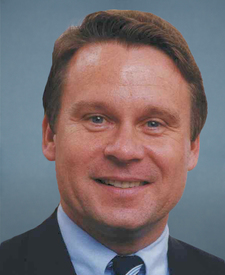
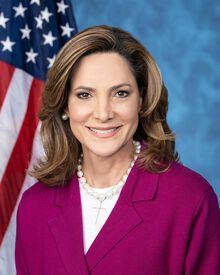
Mr. Smith of New Jersey (for himself and Ms. Salazar) …
Stakeholder Effects
cui bono?How this legislation distributes effects. Mention counts reflect frequency, not effect magnitude.
Government of Nicaragua finance officials, IPSM officials, Nicaraguan State-owned entities
Positive-direction: Nicaraguan exiles in Costa Rica, Nicaraguan exiles in the United States, Nicaraguan opposition groups, Nicaraguan opposition members, Nicaraguan political prisoners, UN Group of Human Rights Experts on Nicaragua
Negative-direction: Government of Nicaragua finance officials, IPSM officials, Nicaraguan State-owned entities, Nicaraguan gold sector operators, Nicaraguan private sector borrowers, Ortega regime officials, Ortega regime revenue networks, Ortega-affiliated entities, United Nations diplomats
Congressional banking committees, Congressional foreign affairs committees, Congressional foreign relations committees
Positive-direction: Congressional banking committees, Congressional foreign affairs committees, Congressional foreign relations committees, Congressional trade oversight staff
Negative-direction: President of the United States, State Department diplomats, State Department grant managers, State Department reporting staff, State Department sanctions staff, Treasury international finance staff, Treasury sanctions staff, U.S. Permanent Representative to the United Nations, USTR analysts
Catholic clergy, Human rights nonprofits, Humanitarian assistance providers
CABEI Nicaragua project borrowers, U.S. investors in Nicaragua
Bill Structure & Actor Mappings
Who is "The Secretary" in each section?
We use a combination of our own taxonomy and classification in addition to large language models to assess meaning and potential beneficiaries. High confidence means strong textual evidence. Always verify with the original bill text.
Learn more about our methodology