Preemption of Real Property Discrimination Act
Summary
What This Bill Does
The Preemption of Real Property Discrimination Act creates a federal rule against citizenship-based real-estate purchase bans. Section 2 preempts any law of a State, the District of Columbia, or a U.S. territory that prohibits or restricts an individual from purchasing real property based on the purchaser's citizenship. The Attorney General is authorized to enforce the preemption. If a State, District, or territory attempts to enforce a preempted law, an individual harmed by that enforcement may sue the jurisdiction in federal court. A prevailing plaintiff may receive injunctive relief. The bill does not create damages language in the excerpted text; the explicit remedy is an injunction stopping enforcement.
Who Benefits and How
Foreign citizens seeking to buy real property, immigrant families, foreign students, lawful visa holders, real estate sellers, real estate brokers, title companies, and housing markets benefit because State citizenship-based purchase restrictions would be displaced by federal law. The Attorney General and civil rights litigants benefit from clear enforcement authority. Federal courts provide a venue for individuals harmed by attempted enforcement.
Who Bears the Burden and How
State governments, territorial governments, District of Columbia officials, land-record offices, and agencies enforcing citizenship-based property restrictions lose authority to apply those laws. State attorneys general and local officials may face federal enforcement or injunction suits. Federal courts must hear civil actions brought by harmed individuals. Communities that favored citizenship-based ownership restrictions may lose a State-law tool they viewed as protecting land access, national security, or local housing markets.
Key Provisions
- Preempts State, District of Columbia, and territorial real-property purchase restrictions based on purchaser citizenship.
- Authorizes the Attorney General to enforce the federal preemption rule.
- Creates a federal civil action for individuals harmed by attempted enforcement of preempted laws.
- Provides injunctive relief for prevailing plaintiffs in covered civil actions.
Evidence Chain:
This summary is generated from the full bill text using AI analysis. Expand "Detailed Analysis" below for identified beneficiaries/burden bearers with clause-level evidence links.
At a Glance
What This Bill Does
Preempts State, District of Columbia, and territorial laws that restrict real-property purchases based on a buyer's citizenship, authorizes the Attorney General to enforce the preemption, and gives harmed individuals a federal civil action for injunctive relief against jurisdictions that attempt to enforce preempted laws.
Key Policy Areas
Real Estate, Civil Rights, Federalism
Primary Purpose
Preempts State, District of Columbia, and territorial laws that restrict real-property purchases based on a buyer's citizenship, authorizes the Attorney General to enforce the preemption, and gives harmed individuals a federal civil action for injunctive relief against jurisdictions that attempt to enforce preempted laws.
Policy Domains
Substantive provisions
Identified Gains
- Foreign citizens seeking property
- Immigrant families
- Foreign students
- Lawful visa holders
- Real estate sellers
- Real estate brokers
- Title companies
Identified Costs
- State governments
- Territorial governments
- District of Columbia officials
- State land-record offices
- State attorneys general
- Federal courts
Sponsors




Legislative Progress
In CommitteeReferred to the House Committee on the Judiciary.
Introduced in House
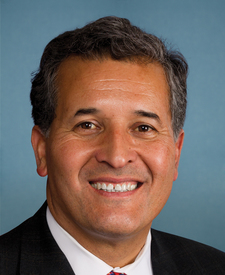
Mr. Green of Texas (for himself, Ms. Chu, and Ms. …
Stakeholder Effects
cui bono?How this legislation distributes effects. Mention counts reflect frequency, not effect magnitude.
Foreign citizens seeking property, Real estate brokers, Real estate sellers
State governments, Territorial governments
Bill Structure & Actor Mappings
Who is "The Secretary" in each section?
We use a combination of our own taxonomy and classification in addition to large language models to assess meaning and potential beneficiaries. High confidence means strong textual evidence. Always verify with the original bill text.
Learn more about our methodology