Earmark Elimination Act of 2026
Summary
What This Bill Does
The Earmark Elimination Act of 2026 turns an anti-earmark rule into a statutory procedural bar for the House of Representatives. Section 2 makes it out of order for the House to consider a bill, joint resolution, amendment, conference report, or explanatory statement that includes a congressional earmark, limited tax benefit, or limited tariff benefit. When a point of order is sustained against a covered provision, the earmark or targeted benefit is deemed stricken. When the point of order is sustained against a conference report or motion to recede and concur, the conference report or motion is rejected and the House moves to specified follow-up motions on the remaining disagreement. If the Chair cannot decide whether a provision is covered, the full House votes without debate. Section 3 defines congressional earmarks as member-requested provisions or report language directing specific spending, credit authority, grants, loans, guarantees, contracts, or other expenditures to an entity, State, locality, or district outside formula-driven or competitive processes. It also defines limited tax benefits as revenue-losing benefits for 10 or fewer beneficiaries or transition relief for one beneficiary, and limited tariff benefits as Harmonized Tariff Schedule modifications benefiting 10 or fewer entities.
Who Benefits and How
Federal taxpayers, government reform groups, competitive grant applicants, and companies that compete through open procurement processes benefit because targeted spending, tax, and tariff advantages would be harder to attach to House legislation. House Members who oppose earmarks benefit from a point-of-order tool that can strike covered provisions or reject a conference report. The House parliamentarian and presiding officers benefit from statutory definitions that identify the targeted benefits subject to challenge.
Who Bears the Burden and How
Members of Congress, Delegates, the Resident Commissioner, Senators negotiating House measures, State project sponsors, local governments, universities, nonprofits, contractors, and businesses that rely on member-directed earmarks or targeted tax and tariff provisions lose a path to project-specific federal advantages. House floor staff and parliamentarians must administer points of order, decide when the Chair can identify covered provisions, conduct votes when classification is uncertain, and process follow-up motions after conference reports or Senate-amendment motions are rejected.
Key Provisions
- Bars House consideration of measures containing congressional earmarks, limited tax benefits, or limited tariff benefits.
- Requires covered earmark, tax, or tariff provisions to be stricken when a point of order is sustained.
- Blocks conference reports or recede-and-concur motions when sustained points of order target covered benefits in those vehicles.
- Requires the full House to decide without debate when the Chair cannot determine whether a provision is covered.
- Adds congressional earmark definitions covering member-requested targeted spending outside formula-driven or competitive award processes.
- Adds limited tax and tariff benefit definitions tied to benefits for 10 or fewer beneficiaries or one-beneficiary transition relief.
Evidence Chain:
This summary is generated from the full bill text using AI analysis. Expand "Detailed Analysis" below for identified beneficiaries/burden bearers with clause-level evidence links.
At a Glance
What This Bill Does
Bars House consideration of bills, joint resolutions, amendments, conference reports, and related motions that contain congressional earmarks, limited tax benefits, or limited tariff benefits, creates points of order to strike or reject those provisions, and defines the targeted spending, tax, and tariff benefits covered by the ban.
Key Policy Areas
Government, Tax, Trade
Primary Purpose
Bars House consideration of bills, joint resolutions, amendments, conference reports, and related motions that contain congressional earmarks, limited tax benefits, or limited tariff benefits, creates points of order to strike or reject those provisions, and defines the targeted spending, tax, and tariff benefits covered by the ban.
Policy Domains
Substantive provisions
Identified Gains
- Federal taxpayers
- Government reform groups
- Competitive grant applicants
- Open procurement competitors
- House anti-earmark Members
- House parliamentarian staff
Identified Costs
- Members of Congress
- State project sponsors
- Local governments
- Universities seeking earmarks
- Nonprofit project sponsors
- Contractors seeking earmarks
- House floor staff
Sponsors

Legislative Progress
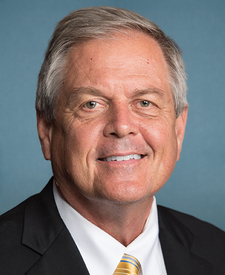
In CommitteeMr. Norman (for himself and Mr. Clyde) introduced the following …
Referred to the House Committee on Rules.
Introduced in House
Stakeholder Effects
cui bono?How this legislation distributes effects. Mention counts reflect frequency, not effect magnitude.
Competitive grant applicants, House parliamentarian staff, Members of Congress
Positive-direction: Competitive grant applicants
Negative-direction: House parliamentarian staff, Members of Congress
Local government project sponsors, State project sponsors
Bill Structure & Actor Mappings
Who is "The Secretary" in each section?
We use a combination of our own taxonomy and classification in addition to large language models to assess meaning and potential beneficiaries. High confidence means strong textual evidence. Always verify with the original bill text.
Learn more about our methodology