SAFE KIDS Act
Summary
What This Bill Does
The SAFE KIDS Act responds to findings that citizens of foreign entities of concern are using commercial surrogacy arrangements in the United States to exploit financially distressed Americans, obtain U.S. citizenship for children, and potentially facilitate trafficking. The bill defines foreign entity of concern by reference to title 10 section 4872(f)(2), defines prospective parent, surrogacy agreement, surrogacy broker, and surrogate parent, and creates a presumption that agreements with prospective parents from foreign entities of concern are surrogacy agreements when parental or custodial rights are not expressly addressed. A surrogacy agreement is void and unenforceable if it is between a surrogate parent in the United States or a U.S. citizen or lawful permanent resident and a prospective parent who is a citizen or permanent resident of a foreign entity of concern, or a broker arranging an agreement with such a prospective parent. The bill preserves agreements involving two legally married prospective parents when at least one is a U.S. citizen or lawful permanent resident. A broker who knowingly or recklessly facilitates a void agreement can be fined, imprisoned for up to one year, or both. Custody of a child born under a void agreement is decided by the law of the State where the surrogate resides, based on the child's best interests and without giving effect to the void surrogacy agreement.
Who Benefits and How
Surrogate mothers in the United States, children born through covered arrangements, State family courts, child welfare authorities, and law enforcement benefit from a federal rule voiding certain high-risk international surrogacy contracts and penalizing brokers who facilitate them. U.S. national security policymakers benefit from restrictions tied to foreign entities of concern. Prospective parents where at least one spouse is a U.S. citizen or lawful permanent resident benefit from an exception for legally married couples.
Who Bears the Burden and How
Surrogacy brokers, agencies, attorneys, fertility clinics, and prospective parents from foreign entities of concern bear legal risk because covered agreements become void and broker facilitation can trigger fines or imprisonment. State courts must decide custody under best-interest standards when agreements are void. Surrogate parents, intended parents, and children may face litigation uncertainty if an agreement is invalidated. Federal prosecutors and investigators must prove knowing or reckless facilitation for broker penalties.
Key Provisions
- Requires foreign entity of concern, prospective parent, surrogacy agreement, surrogacy broker, and surrogate parent definitions for the Act.
- Prohibits enforcement of surrogacy agreements involving surrogate parents in the United States or U.S. citizens or lawful permanent residents and prospective parents from foreign entities of concern.
- Protects agreements for legally married prospective parents when at least one spouse is a U.S. citizen or lawful permanent resident.
- Creates criminal penalties for brokers who knowingly or recklessly facilitate void surrogacy agreements.
- Requires custody of children born under void agreements to be decided under State best-interest law where the surrogate parent resides.
Evidence Chain:
This summary is generated from the full bill text using AI analysis. Expand "Detailed Analysis" below for identified beneficiaries/burden bearers with clause-level evidence links.
At a Glance
What This Bill Does
Makes surrogacy agreements involving prospective parents from foreign entities of concern void and unenforceable when the surrogate parent is in the United States or is a U.S. citizen or lawful permanent resident, penalizes brokers who knowingly or recklessly facilitate those void agreements, and sends child-custody decisions to State best-interest law.
Key Policy Areas
Family Law, Foreign Affairs, Law Enforcement
Primary Purpose
Makes surrogacy agreements involving prospective parents from foreign entities of concern void and unenforceable when the surrogate parent is in the United States or is a U.S. citizen or lawful permanent resident, penalizes brokers who knowingly or recklessly facilitate those void agreements, and sends child-custody decisions to State best-interest law.
Policy Domains
Substantive provisions
Identified Gains
- Surrogate mothers in the United States
- Children born through covered arrangements
- State family courts
- Child welfare authorities
- Law enforcement
- U.S. national security policymakers
Identified Costs
- Surrogacy brokers
- Surrogacy agencies
- Fertility clinics
- Prospective parents from foreign entities of concern
- State court staff
- Federal prosecutors
Sponsors




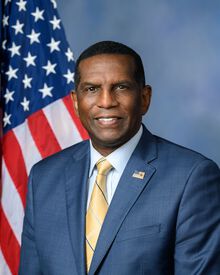
Legislative Progress
In CommitteeSponsor introductory remarks on measure. (CR H1161-1162)
Mr. Moore of Utah (for himself, Mr. Moolenaar, Mrs. Kiggans …
Referred to the House Committee on the Judiciary.
Introduced in House
Impact analysis is available but no clear stakeholder effects identified. View clause-level analysis →
Bill Structure & Actor Mappings
Who is "The Secretary" in each section?
We use a combination of our own taxonomy and classification in addition to large language models to assess meaning and potential beneficiaries. High confidence means strong textual evidence. Always verify with the original bill text.
Learn more about our methodology