Stop Executive Renaming for Vanity and Ego (SERVE) Act of 2026
Summary
What This Bill Does
The Stop Executive Renaming for Vanity and Ego Act of 2026 creates a restriction on naming federal property after the current President. Notwithstanding any other law, no federal building, land, or other asset may be named, renamed, designated, or redesignated in the name of a sitting President. It also bars federal funds from being used for that naming or renaming activity. If any federal building, land, or other asset is already named after the sitting President on the date of enactment, the property must be returned to the name given to it by federal law.
Who Benefits and How
Congress, federal property users, historians, archivists, public lands managers, and watchdog groups benefit from a rule that prevents federal assets from being named after an incumbent President while that President is in office. Agencies benefit from a clear funding bar and restoration rule if a property has already been renamed. The public benefits from reduced risk that official property names are changed for current political favor rather than lasting commemoration.
Who Bears the Burden and How
Federal agencies, GSA property managers, Interior land managers, signage offices, mapping staff, and communications teams must avoid covered naming actions, stop spending federal funds on them, and restore any covered property to its prior federal-law name. Any administration seeking to name property after a sitting President would need to wait until the person is no longer President or seek a change in law. Agencies may incur implementation work to reverse names already in place.
Key Provisions
- Prohibits naming federal buildings, lands, or assets after a sitting President.
- Prohibits renaming, designating, or redesignating federal property in the name of a sitting President.
- Bars federal funds from being used for covered naming or renaming actions.
- Requires federal property already named after the sitting President to return to the name given by federal law.
Evidence Chain:
This summary is generated from the full bill text using AI analysis. Expand "Detailed Analysis" below for identified beneficiaries/burden bearers with clause-level evidence links.
At a Glance
What This Bill Does
Prohibits naming, renaming, designating, or redesignating any federal building, land, or other asset after a sitting President, bars federal funds for doing so, and requires any federal property already named after the sitting President at enactment to return to its name under federal law.
Key Policy Areas
Government, Public Lands
Primary Purpose
Prohibits naming, renaming, designating, or redesignating any federal building, land, or other asset after a sitting President, bars federal funds for doing so, and requires any federal property already named after the sitting President at enactment to return to its name under federal law.
Policy Domains
Substantive provisions
Identified Gains
- Congress
- Federal property users
- Historians
- Archivists
- Public lands managers
- Watchdog groups
Identified Costs
- Federal agencies
- GSA property managers
- Interior land managers
- Federal signage offices
- Mapping staff
- White House staff
Sponsors

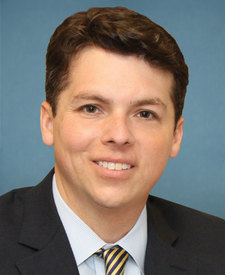
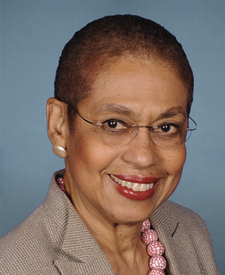
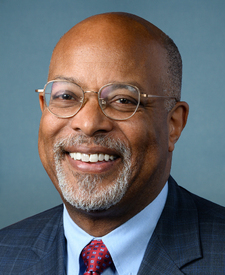

Legislative Progress
In CommitteeReferred to the Subcommittee on Economic Development, Public Buildings, and …
Mrs. McClain Delaney (for herself, Ms. Norton, Mr. Ivey, Ms. …
Referred to the Committee on Transportation and Infrastructure, and in …
Introduced in House
Sponsor introductory remarks on measure. (CR H698)
Stakeholder Effects
cui bono?How this legislation distributes effects. Mention counts reflect frequency, not effect magnitude.
Federal agencies administering property naming decisions, Public confidence in anti-self-dealing government norms
Positive-direction: Public confidence in anti-self-dealing government norms
Negative-direction: Federal agencies administering property naming decisions
Bill Structure & Actor Mappings
Who is "The Secretary" in each section?
We use a combination of our own taxonomy and classification in addition to large language models to assess meaning and potential beneficiaries. High confidence means strong textual evidence. Always verify with the original bill text.
Learn more about our methodology