Pay Paraprofessionals and Support Staff Act
Summary
What This Bill Does
The Pay Paraprofessionals and Support Staff Act creates a large federal funding stream for public school support staff compensation. It defines covered workers using Elementary and Secondary Education Act terms for paraprofessionals, local educational agencies, States, professional development, English learners, and the Secretary. States receiving funds must set minimum annual base salaries for full-time paraprofessionals and education support staff and minimum hourly wages for part-time equivalent staff employed by local educational agencies. For fiscal years 2026 through 2030, the minimum full-time salary floor is $45,000 and the part-time wage floor is $30 per hour. For fiscal years 2031 through 2035 and each later five-year period, those amounts increase by the greater of aggregate CPI adjustment over the prior five years or 2 percent. The stated purpose is to ensure school support staff receive a living wage, regional cost-of-living recognition, public-servant respect, safe working conditions, and dignity. The bill appropriates $25 billion to the Education Department for fiscal year 2026 and provides ongoing funding for succeeding fiscal years.
Who Benefits and How
Paraprofessionals, classroom aides, education support staff, school employees supporting English learners and students with disabilities, and low-paid school staff benefit from minimum salary and wage floors that rise over time. Local educational agencies and States benefit from federal funds to help finance higher compensation. Students, teachers, and families may benefit if higher wages improve recruitment, retention, morale, and classroom support. Unions and worker advocates benefit from a federal standard for living wages and safe, dignified working conditions.
Who Bears the Burden and How
State education agencies must set minimum salaries and wages, manage federal grants, adjust amounts every five years, and ensure local educational agencies comply. School districts must update payroll systems, contracts, staffing budgets, and wage scales for full-time and part-time staff. Education Department grant staff must administer $25 billion in fiscal year 2026 and future annual funding. Federal taxpayers bear the appropriated cost, and districts may face compliance burdens if federal funds do not cover all wage increases.
Key Provisions
- Appropriates $25 billion to the Department of Education for fiscal year 2026 for paraprofessional and support staff pay.
- Requires States to set minimum full-time salaries above $45,000 for fiscal years 2026 through 2030.
- Requires States to set minimum part-time wages above $30 per hour for fiscal years 2026 through 2030.
- Requires later five-year increases based on the greater of aggregate CPI growth or 2 percent.
- Requires salary and wage structures to increase with staff experience.
- Recognizes paraprofessionals and education support staff as essential public school workers entitled to living wages, safe conditions, and dignity.
Evidence Chain:
This summary is generated from the full bill text using AI analysis. Expand "Detailed Analysis" below for identified beneficiaries/burden bearers with clause-level evidence links.
At a Glance
What This Bill Does
Appropriates $25 billion for fiscal year 2026 and continuing annual funding for Education Department grants to States that require local educational agencies to pay paraprofessionals and education support staff at least $45,000 annually for full-time work or $30 per hour for part-time work from 2026 through 2030, with later five-year increases tied to CPI growth or 2 percent.
Key Policy Areas
Education, Labor, State & Local Government
Primary Purpose
Appropriates $25 billion for fiscal year 2026 and continuing annual funding for Education Department grants to States that require local educational agencies to pay paraprofessionals and education support staff at least $45,000 annually for full-time work or $30 per hour for part-time work from 2026 through 2030, with later five-year increases tied to CPI growth or 2 percent.
Policy Domains
Substantive provisions
Identified Gains
- Paraprofessionals
- Education support staff
- Classroom aides
- Students with disabilities
- English learners
- Teachers
- Families
- State education agencies
- Local educational agencies
Identified Costs
- Education Department grant staff
- School district payroll offices
- State education finance staff
- Federal taxpayers
- Local school boards
Sponsors
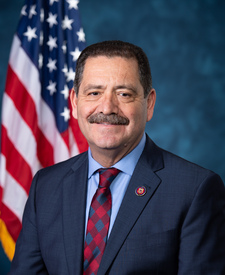

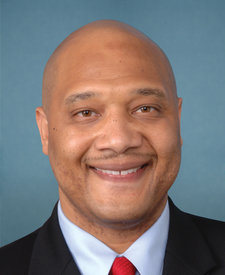
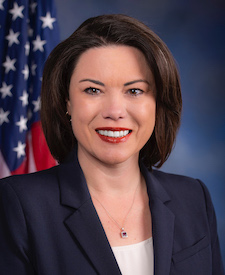
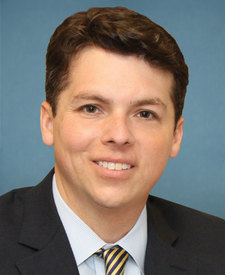
Legislative Progress
In CommitteeMr. García of Illinois (for himself, Mrs. Hayes, Mrs. Grijalva, …
Referred to the House Committee on Education and Workforce.
Introduced in House
Stakeholder Effects
cui bono?How this legislation distributes effects. Mention counts reflect frequency, not effect magnitude.
Education support staff, Local educational agencies, Paraprofessionals
Bill Structure & Actor Mappings
Who is "The Secretary" in each section?
We use a combination of our own taxonomy and classification in addition to large language models to assess meaning and potential beneficiaries. High confidence means strong textual evidence. Always verify with the original bill text.
Learn more about our methodology